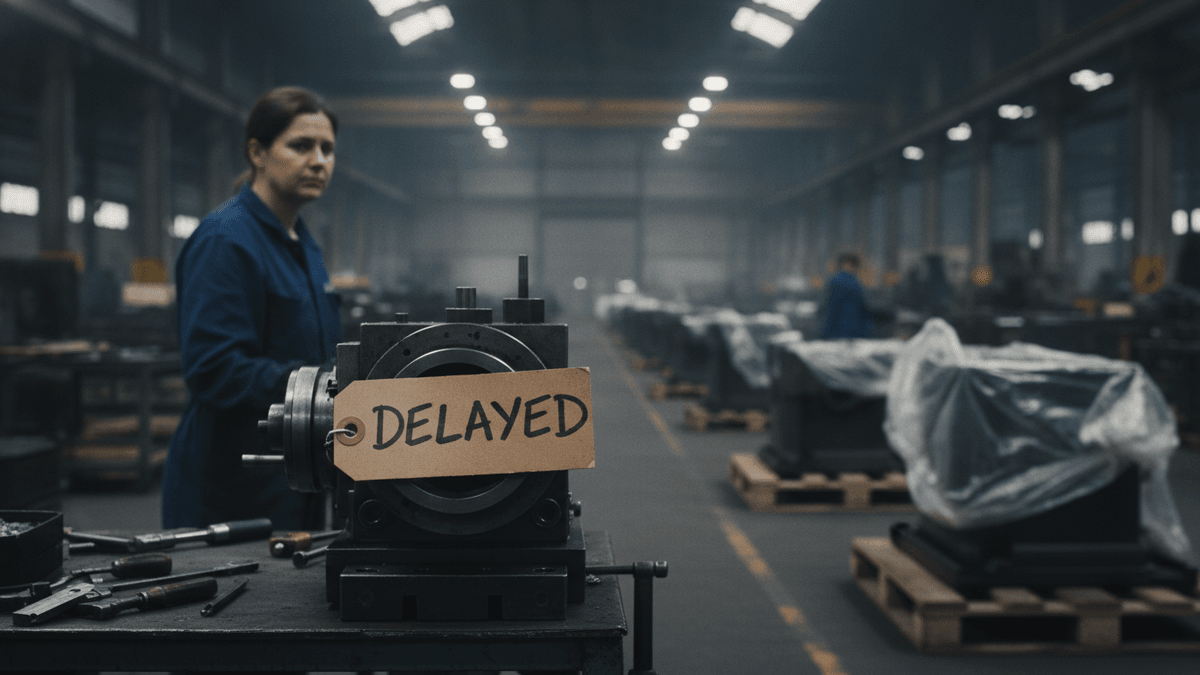
An idle machine component sits on a factory floor in Germany amid declining production.
The German machinery sector, a long-standing pillar of European industrial strength, is currently grappling with a sustained period of declining production. This slump, driven by a convergence of weakening global demand, elevated energy costs, and intensifying international competition, has moved beyond a domestic concern to become a significant risk factor for global industrial supply chains.
As German-engineered equipment remains deeply embedded in manufacturing processes across the globe, the instability within this sector threatens to create critical bottlenecks. For private equity firms and institutional investors with exposure to industrial portfolios, the current climate necessitates a reassessment of supply chain resilience and capital allocation strategies.
Analysts suggest that the sector’s decline serves as a bellwether for broader macroeconomic shifts. As downstream industries face potential disruptions in equipment availability and rising input costs, the pressure on manufacturers to diversify their vendor bases and regionalize supply chains is intensifying. For those managing portfolio companies in the industrial space, the current volatility underscores the urgency of pivoting toward more agile, multi-source procurement models to mitigate systemic risks in the coming fiscal cycles.
About the Author