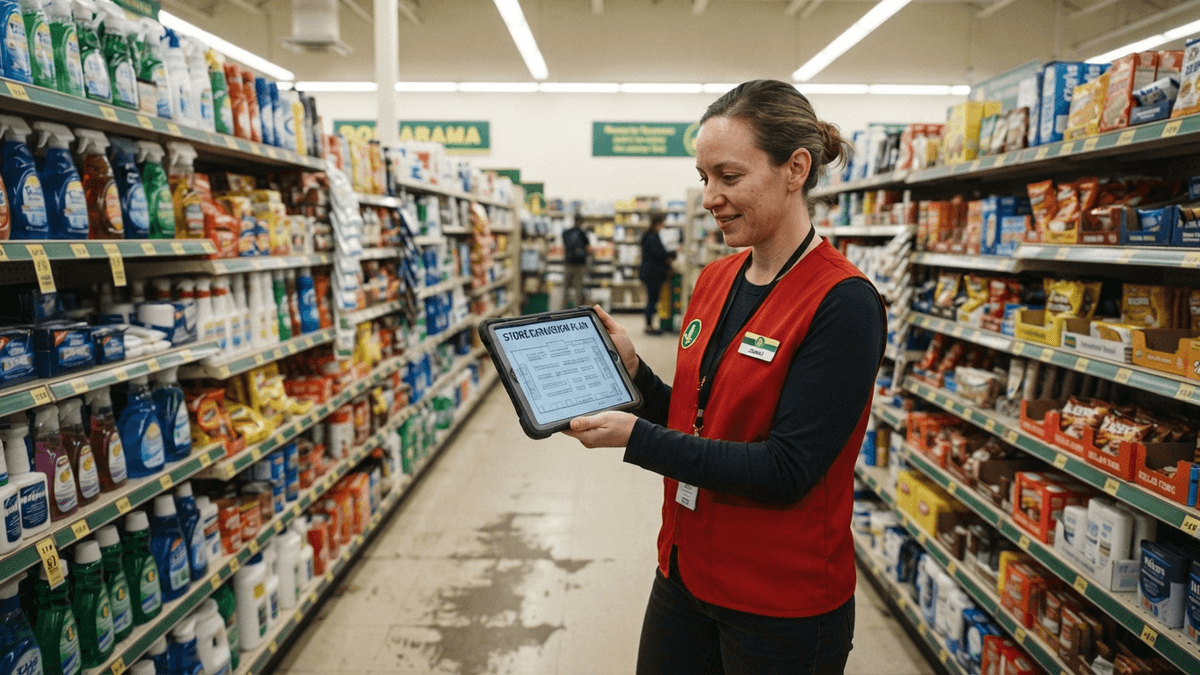
A Dollarama employee reviews a store expansion plan in a retail location.
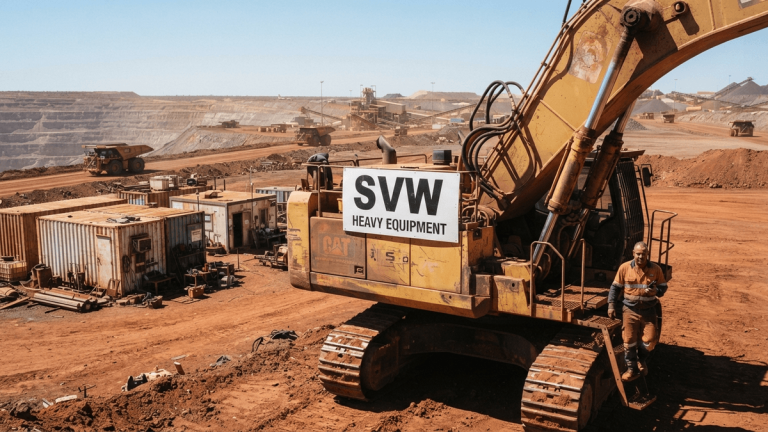
In the current macroeconomic environment, institutional investors are increasingly scrutinizing the relationship between industrial equipment demand and broader capital expenditure (CapEx) cycles. While industrial sectors often experience heightened volatility tied to fixed-asset investment, retail entities like Dollarama (TSX:DOL) provide a distinct perspective on capital allocation and operational resilience.
Dollarama has maintained a consistent growth trajectory by focusing on value-based consumer demand, a strategy that offers defensive characteristics during periods of tightening corporate investment. Unlike industrial firms, whose growth is tethered to the cyclical nature of machinery demand and infrastructure spending, Dollarama’s model relies on supply chain efficiency and consistent store-level capital reinvestment.
Strategic analysts note that while industrial equipment demand remains a primary bellwether for economic health, it is essential to distinguish between cyclical industrial exposure and the secular growth trends seen in value retail. For private equity and institutional managers, the divergence between these sectors highlights a bifurcated investment landscape. Industrial demand remains highly sensitive to interest rate fluctuations and corporate investment sentiment, whereas established retail operators prioritize cash flow stability and footprint expansion.
Investors monitoring the Canadian market should view capital spending cycles as a primary indicator for industrial sector health, while recognizing that retailers like Dollarama serve as a hedge against the volatility inherent in heavy industry. This structural difference underscores the importance of sector-specific analysis when evaluating portfolio resilience in an uncertain fiscal climate.
About the Author