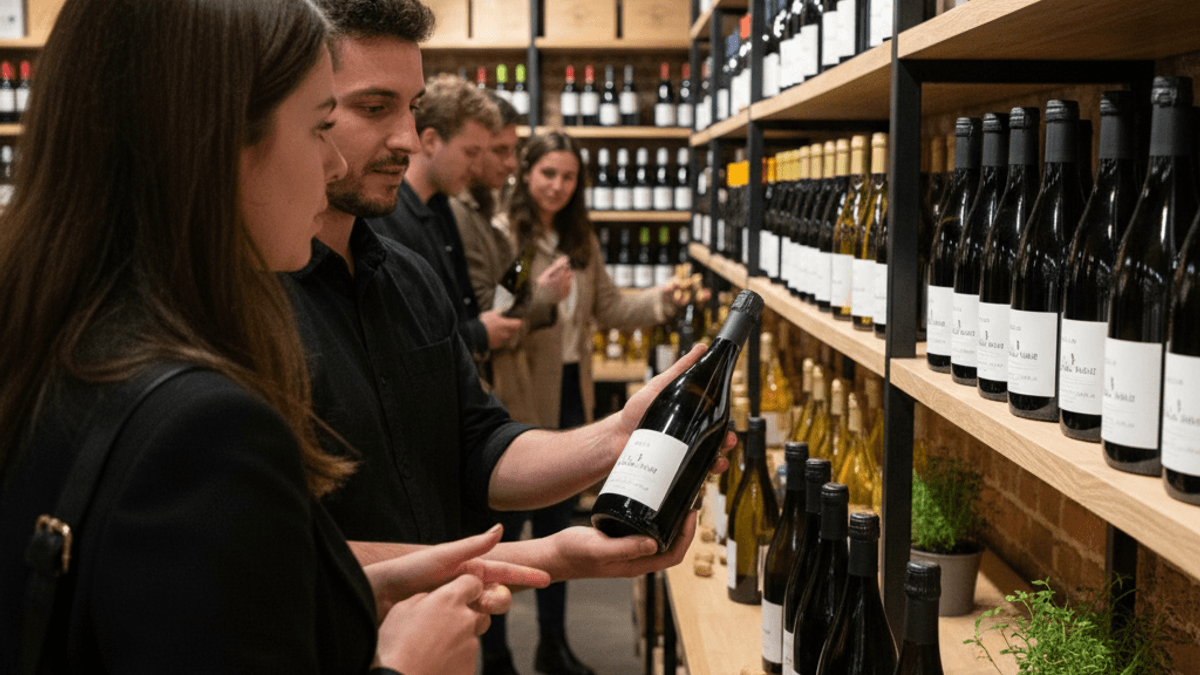
Shoppers browse non-alcoholic wine in a modern store, reflecting changing consumer preferences.
Non-alcoholic wine is rapidly gaining traction in the beverage market, with sales surging as consumer preferences evolve. This trend is largely attributed to younger demographics increasingly moderating their alcohol consumption and a noticeable softening in the sales of traditional alcoholic wines. Producers are actively exploring this burgeoning segment to find new avenues for growth, making the rise of non-alcoholic wine a significant development to watch in 2026.
Shifting Consumer Habits
The primary driver behind the non-alcoholic wine boom is a fundamental shift in consumer behavior, particularly among younger generations. These consumers are consciously choosing to reduce their alcohol intake for various reasons, including health and wellness consciousness, a desire for a more balanced lifestyle, and a growing awareness of the potential downsides of excessive drinking. This trend towards moderation is not limited to wine but extends across the broader alcoholic beverage industry. As a result, demand for sophisticated, high-quality non-alcoholic alternatives is on the rise, creating a new market space for producers.
Market Dynamics and Producer Response
While non-alcoholic wine sales climb, the market for traditional alcoholic wines has seen a slowdown. This contrast presents a challenge for established wineries and distributors, prompting them to diversify their offerings and invest in the non-alcoholic sector. Many producers are now dedicating resources to developing and marketing non-alcoholic versions of their popular wines, aiming to capture a share of this expanding market. Innovation in production techniques has also played a crucial role, enabling the creation of non-alcoholic wines that better mimic the taste and complexity of their alcoholic counterparts, thereby appealing to a wider audience.
Growth Prospects and Future Outlook
The non-alcoholic wine market is poised for continued expansion in the coming years. As more consumers embrace moderation and seek healthier lifestyle choices, the demand for these beverages is expected to grow exponentially. The industry’s ability to innovate and offer diverse, appealing products will be key to sustaining this momentum. The trend signifies a broader cultural shift towards mindful consumption, where quality and experience are prioritized over alcohol content. This evolution suggests that non-alcoholic wine is more than just a passing fad; it represents a significant and lasting change in the beverage landscape for 2026 and beyond.
About the Author