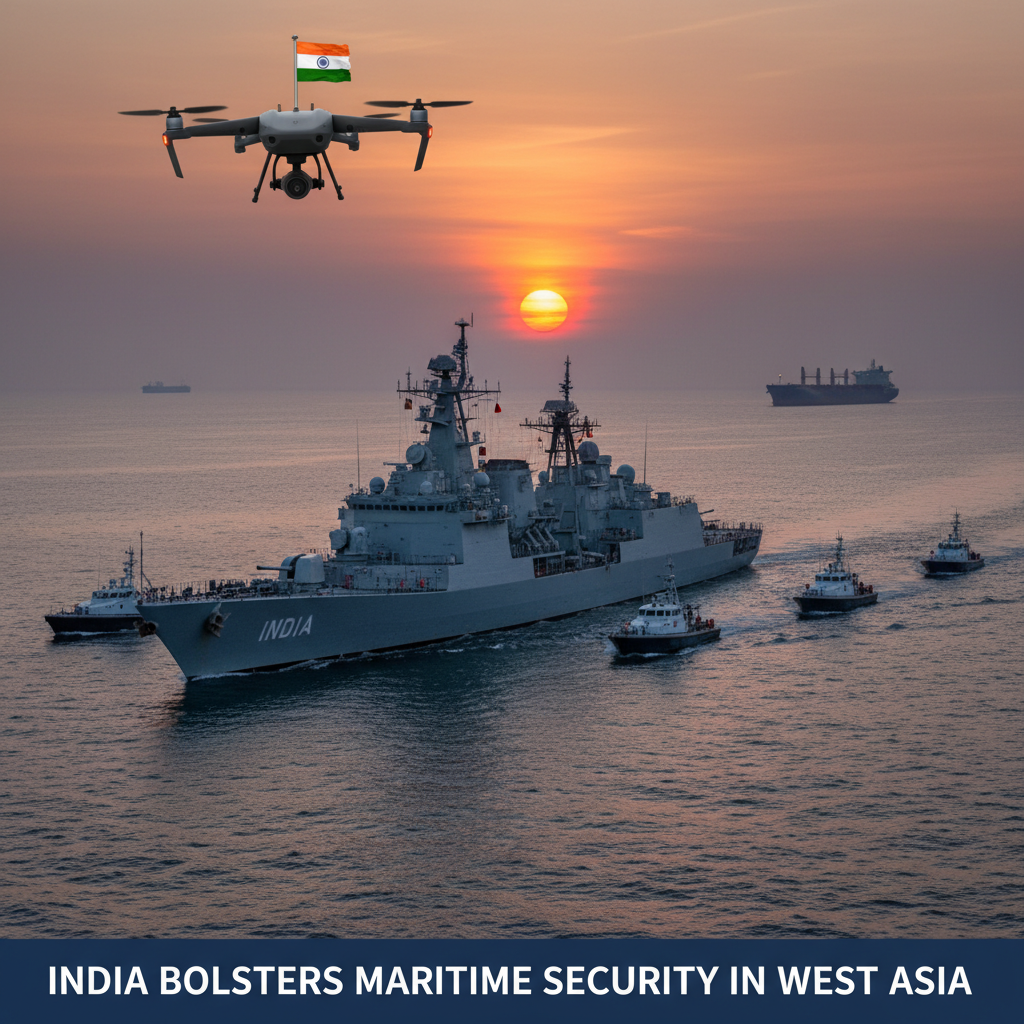
India Steps Up Maritime Security for Vessels and Seafarers in West Asia
In response to the evolving security landscape in the Persian Gulf region, India has significantly increased its maritime security efforts. This strategic move is aimed at safeguarding Indian vessels and the thousands of seafarers currently operating in the area. The decision underscores India’s commitment to protecting its interests and citizens in a region experiencing heightened tensions.
Enhanced Security Measures in the Persian Gulf
The Indian government, recognizing the potential risks, has implemented a series of enhanced measures to ensure the safety of its maritime assets and personnel. These steps are particularly crucial given the presence of over 23,000 Indian seafarers and 37 Indian-flagged vessels in the West Asia region, specifically in the Persian Gulf. The monitoring of the maritime security situation is a key aspect of this strategy, allowing for a proactive and adaptive approach to emerging threats.
The primary WHAT is the enhancement of maritime security. India is actively involved in the monitoring of the maritime security situation in the West Asia region. This is being done to ensure the protection of Indian vessels and seafarers, who are key contributors to the global shipping industry. The WHY behind these actions is the elevated level of tension in the Persian Gulf region, making it imperative for India to take necessary precautions. The WHO involved are Indian seafarers and India itself. The WHERE is the West Asia region, particularly the Persian Gulf. The WHEN is now, as these measures are currently in place.
The Significance of the Persian Gulf
The Persian Gulf is a critical waterway for global trade and energy transport. Its strategic importance makes it a focal point for international attention and, consequently, a region prone to security challenges. India’s increased focus on maritime security in this area reflects its broader strategic interests, including the protection of its economic assets and the welfare of its citizens.
The HOW in this scenario involves a multi-faceted approach, including enhanced surveillance, communication protocols, and potentially increased naval presence in the area. These measures are designed to provide a secure environment for Indian vessels and seafarers, mitigating potential risks associated with the current tensions. The Indian government is likely working closely with international partners to share information and coordinate efforts to maintain stability in the region.
Protecting Indian Interests
The government’s proactive stance highlights its dedication to protecting the interests of Indian nationals abroad. The safety of seafarers, who play a vital role in global trade, is a top priority. The enhanced security measures are a clear indication of India’s commitment to ensuring their well-being and the continued operation of Indian-flagged vessels in the region.
India’s response is a measured, yet firm, assertion of its responsibility to protect its citizens and assets. This approach aligns with international norms and underscores the importance of maintaining open and secure sea lanes for global trade. The situation remains dynamic, and India’s security posture will likely continue to evolve in response to developments in the West Asia region.
Source: Industry-Economic Times
About the Author