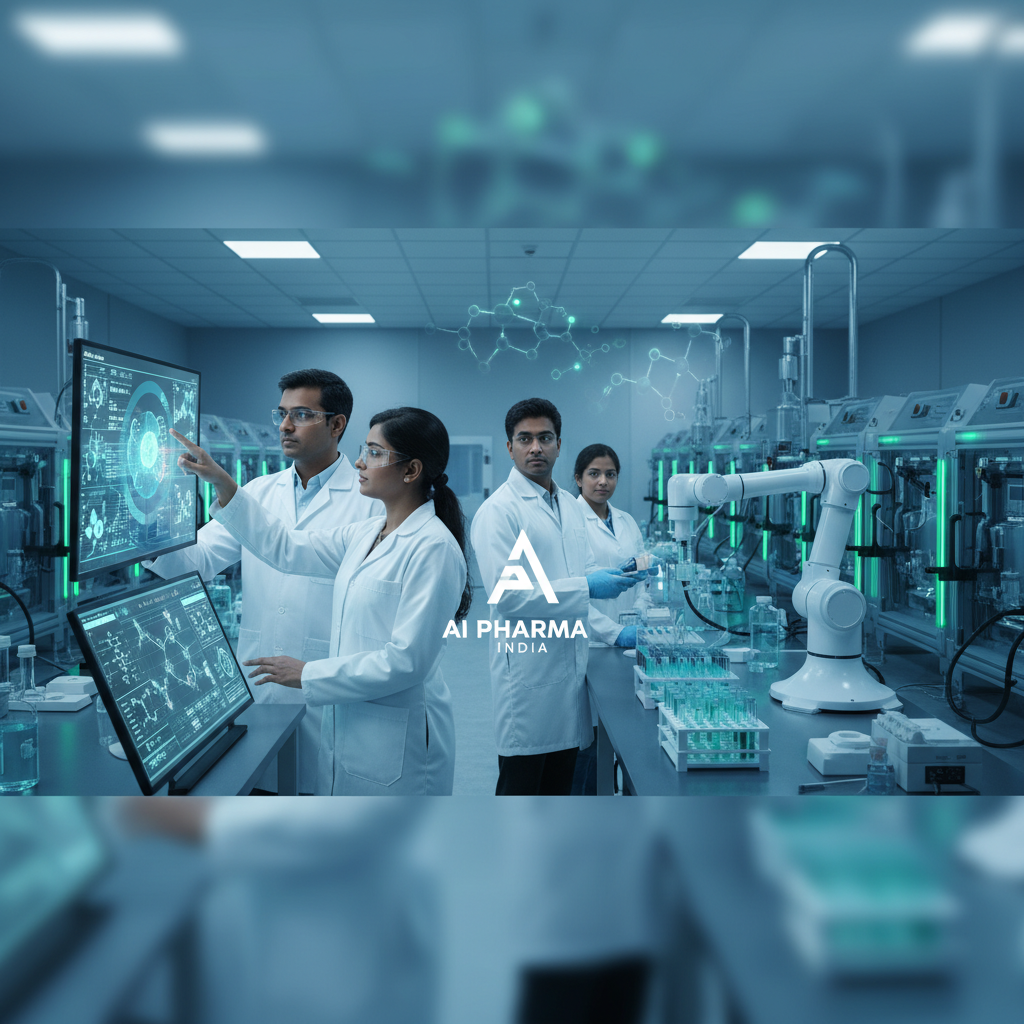
AI Revolutionizes Drug R&D: How Indian Pharma Giants Are Leading the Way
The pharmaceutical industry is on the cusp of a significant transformation, driven by the integration of Artificial Intelligence (AI). In India, companies like Sun Pharma and Glenmark are at the forefront of this revolution, embracing AI to reshape their drug research and development (R&D) processes. This strategic shift promises to not only speed up the creation of new drugs but also to significantly reduce the associated costs. The potential impact of AI on the pharma sector is vast, making it a critical area of focus for industry stakeholders.
The AI Advantage in Drug Discovery
The adoption of AI in drug discovery represents a paradigm shift, offering solutions to some of the most persistent challenges in the pharmaceutical industry. The traditional drug development process is notoriously time-consuming and expensive, often taking over a decade and billions of dollars to bring a new drug to market. AI offers a more efficient alternative. By leveraging machine learning algorithms and vast datasets, AI can accelerate various stages of the drug development lifecycle, from target identification and lead discovery to clinical trial design and analysis.
Sun Pharma and Glenmark, among the leading Indian pharmaceutical giants, are actively investing in AI technologies to gain a competitive edge. Their initiatives reflect a broader trend of increasing global investment in AI for drug discovery. Companies are turning to AI for its ability to provide expertise and improve efficiency, ultimately aiming to streamline the complex process of bringing life-saving medications to patients faster.
How AI Transforms Drug R&D
The application of AI in drug R&D is multifaceted, touching upon several key areas:
- Target Identification: AI algorithms can analyze genomic data and scientific literature to identify potential drug targets with greater precision.
- Lead Discovery: AI can screen vast libraries of compounds to identify those with the highest potential to bind to the target, significantly reducing the time and resources required for this process.
- Clinical Trial Design: AI helps in optimizing clinical trial designs, predicting patient responses, and identifying potential safety risks, thus reducing the chances of trial failures.
- Drug Repurposing: AI can analyze existing drug data to identify new uses for existing medications, accelerating the development of treatments for various diseases.
These applications underscore how AI is not merely an incremental improvement but a fundamental change in how the pharmaceutical industry operates. By automating and optimizing various stages of drug development, AI is poised to dramatically reduce development times and costs.
The Future of Indian Pharma with AI
The integration of AI into the Indian pharmaceutical sector is more than a technological upgrade; it is a strategic imperative. As companies like Sun Pharma and Glenmark continue to invest in AI, they are positioning themselves to lead in a rapidly evolving global market. The adoption of AI is expected to accelerate innovation, improve the efficiency of drug development cycles, and potentially lower the costs of healthcare. This transformation will not only benefit pharmaceutical companies but also, crucially, patients who will gain access to new and improved medications more quickly.
The journey of AI in the Indian pharma industry is just beginning, and the potential for growth and impact is immense. As the technology matures and adoption rates increase, AI is set to become an indispensable tool for drug discovery and development, driving the next wave of innovation in the healthcare sector.
About the Author