US Set to Cut Tariffs on Indian Goods This Week: A Boost for Trade
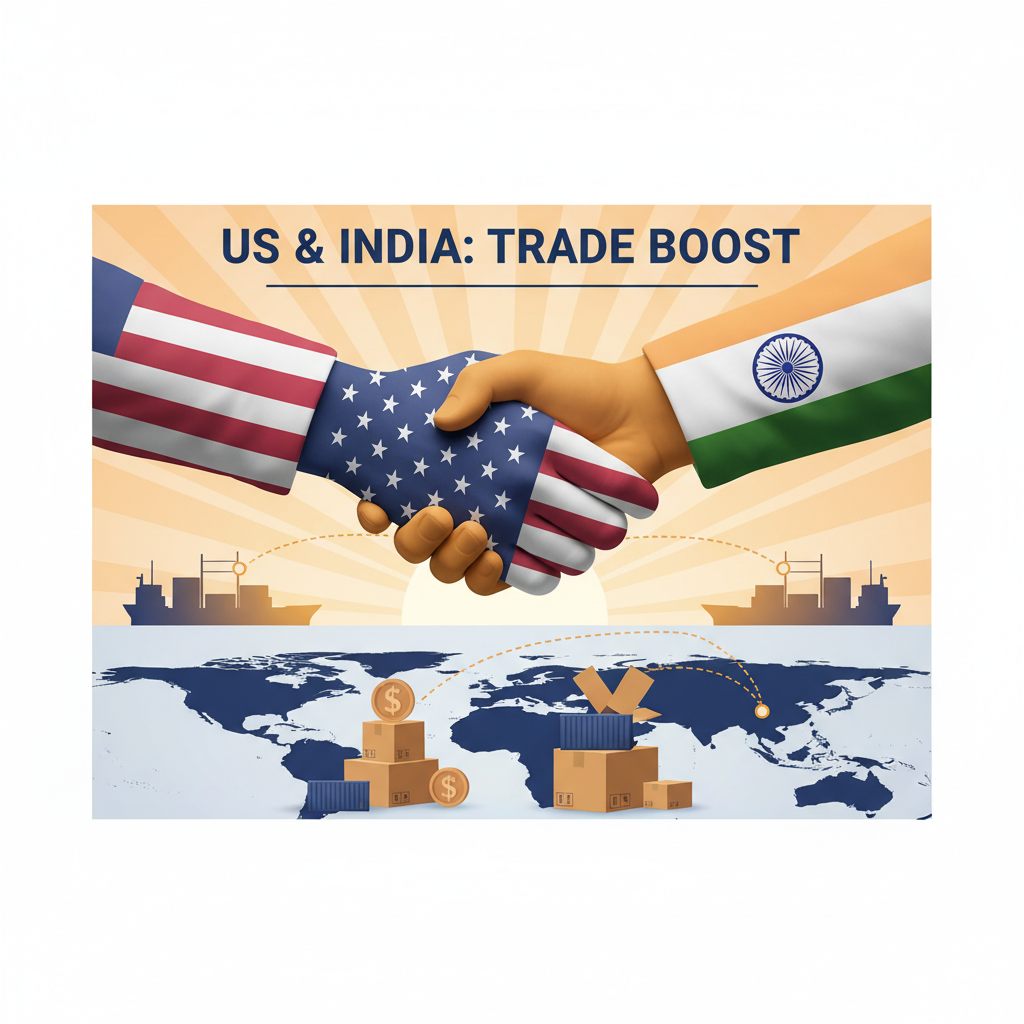
In a move that signals strengthening economic ties, the US is anticipated to reduce tariffs on several Indian exports this week. This development, confirmed by sources, represents a significant step forward in the ongoing efforts to enhance trade relations between the two countries. The reduction, from the current 25% to an estimated 18%, is part of the broader framework of an interim trade pact currently under negotiation. (Source: Business Standard)
Key Details of the Tariff Reduction
The US‘s decision to lower tariffs on Indian goods is a positive development for India‘s economy. The specifics of which products will be affected and the exact timeline for implementation are expected to be clarified during the upcoming negotiations. The US and India are engaging in these negotiations with the primary objective of finalizing the interim trade pact. This agreement is viewed as a stepping stone towards a more comprehensive trade deal in the future. The US‘s actions reflect a commitment to fostering a more favorable trade environment between the two nations. This proactive approach will likely benefit both economies by reducing trade barriers and increasing the flow of goods.
The Significance of the Interim Trade Pact
The interim trade pact represents a strategic initiative by both the US and India to address immediate trade concerns and create a foundation for future collaboration. The negotiations are focused on resolving existing trade disputes and establishing a framework for smoother trade operations. This trade pact is particularly important because it can lead to increased export opportunities for Indian businesses. It can also create a more stable and predictable trade environment, which can encourage investment and economic growth. The US and India are committed to reaching a mutually beneficial agreement that addresses the needs and priorities of both nations.
What to Expect in Upcoming Negotiations
The upcoming negotiations will be crucial in determining the specifics of the tariff reduction and the broader terms of the interim trade pact. India is prepared to address any delays or challenges that may arise during these discussions. The focus will be on ensuring that the agreement is fair, transparent, and beneficial for both parties. The negotiations will involve discussions on various aspects of trade, including market access, intellectual property rights, and regulatory practices. Both sides are committed to working collaboratively to achieve a successful outcome. The goal is to create a robust trade relationship that fosters economic growth and strengthens the strategic partnership between the US and India.
Impact on the Economy
The reduction in tariffs is expected to have a positive impact on the economy, particularly for Indian exporters. Reduced tariffs will make Indian goods more competitive in the US market, leading to increased demand and potential export growth. This, in turn, can create jobs, boost production, and contribute to overall economic prosperity. The policy change reflects a broader trend toward liberalization and cooperation in international trade. The deals being negotiated are essential for ensuring that trade relations are smooth and productive. This move highlights the importance of international trade and its potential to drive economic growth and development. The US and India are actively working to strengthen their economic partnership through these key initiatives.
Conclusion
The anticipated reduction in tariffs on Indian exports by the US is a significant step towards strengthening the economic ties between the two countries. The negotiations surrounding the interim trade pact are critical, and a successful outcome will benefit both nations. As the US and India continue to engage in these negotiations, the focus will remain on creating a mutually beneficial trade environment that promotes economic growth and cooperation. This policy change underscores the importance of international deals and their impact on global trade dynamics.
About the Author