Kidbea’s ₹41.40 Cr Success: A Masterclass in Offline Kidswear Growth
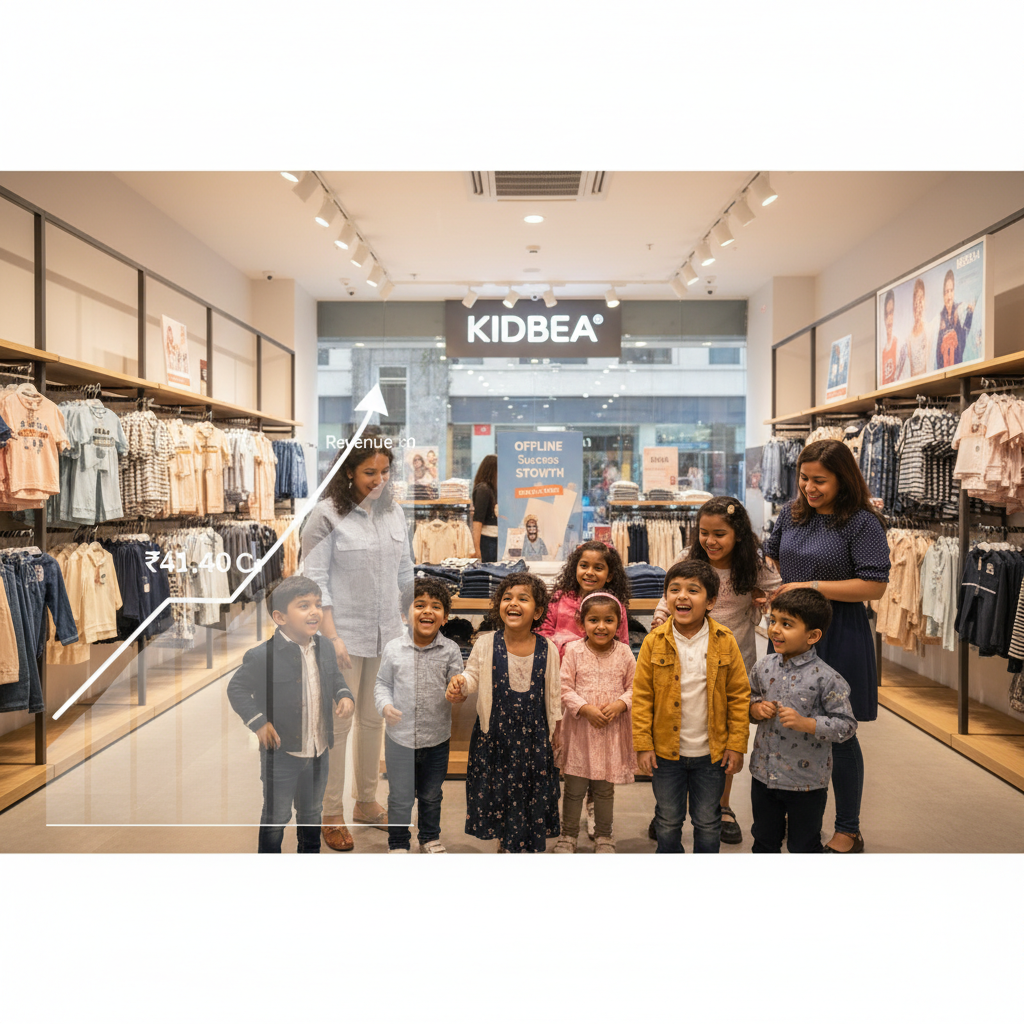
The Indian kidswear market, a substantial sector within the textiles industry, is currently valued at a staggering $24.6 billion in 2024. Projections indicate continued expansion, with estimates suggesting further growth by 2030. Amidst this flourishing landscape, Kidbea has carved a significant niche for itself, achieving an impressive ₹41.40 Cr within just four years. This remarkable feat is a testament to their strategic acumen, particularly their adeptness in leveraging offline growth strategies.
The Power of Offline in a Digital Age
While e-commerce continues its ascent, the success of Kidbea underscores the enduring significance of offline retail. The company’s focus on physical stores and direct customer interaction has been pivotal. This approach allows for a tangible brand experience, enabling customers to feel the quality and see the designs firsthand. This is particularly crucial in the kidswear sector, where parents often prioritize touch and feel when selecting garments for their children. The ability to offer immediate gratification and personalized service has clearly resonated with consumers.
Strategic Expansion and Market Penetration
Kidbea’s expansion strategy has likely involved careful market analysis to identify prime locations for their stores. This includes high-traffic areas, shopping malls, and locations with a high concentration of the target demographic. By strategically placing their stores, Kidbea has ensured maximum visibility and accessibility. Furthermore, their success suggests a keen understanding of local market preferences and the ability to tailor their product offerings accordingly. This could involve curating collections that reflect regional tastes and adapting to the specific needs of their customer base in India.
Understanding the Indian Kidswear Market
The kidswear market in India is characterized by a diverse range of consumers, from budget-conscious shoppers to those seeking premium brands. Kidbea’s ability to cater to this spectrum, possibly through varied product lines and pricing strategies, has been key to its success. The company’s growth trajectory highlights the importance of understanding consumer behavior, including preferences for fabrics, designs, and price points. The use of innovative marketing techniques, such as targeted advertising and promotional events, has also likely played a crucial role in building brand awareness and driving sales. By focusing on the ‘what‘ – kidswear market, Kidbea has been able to establish themselves.
Financial Growth and Future Outlook
The impressive financial results of ₹41.40 Cr within four years are a strong indicator of Kidbea’s robust business model and effective execution. This financial growth demonstrates the company’s ability to generate revenue, manage costs, and scale its operations efficiently. Looking ahead, Kidbea is well-positioned to capitalize on the continued growth of the kidswear market in India. To achieve this, focusing on the ‘why‘ – to capitalize on the kidswear market, they need to prioritize customer satisfaction, maintain product quality, and continue to innovate in their product offerings. Further strategic expansion, enhanced brand building, and sustainable practices will be critical to sustain their growth trajectory.
Conclusion
Kidbea’s journey offers valuable lessons for startups and established businesses alike, especially within the textiles and retail sectors. Their emphasis on offline strategies, combined with a deep understanding of the Indian market, has enabled them to achieve remarkable financial success. As the kidswear market continues to evolve, Kidbea’s ability to adapt and innovate will be crucial for sustained growth. By focusing on the ‘how‘ – acing offline growth, Kidbea has become a true leader in the kidswear sector.
About the Author