Modi’s Budget 2026: A Strategic Shift Towards Growth and Jobs
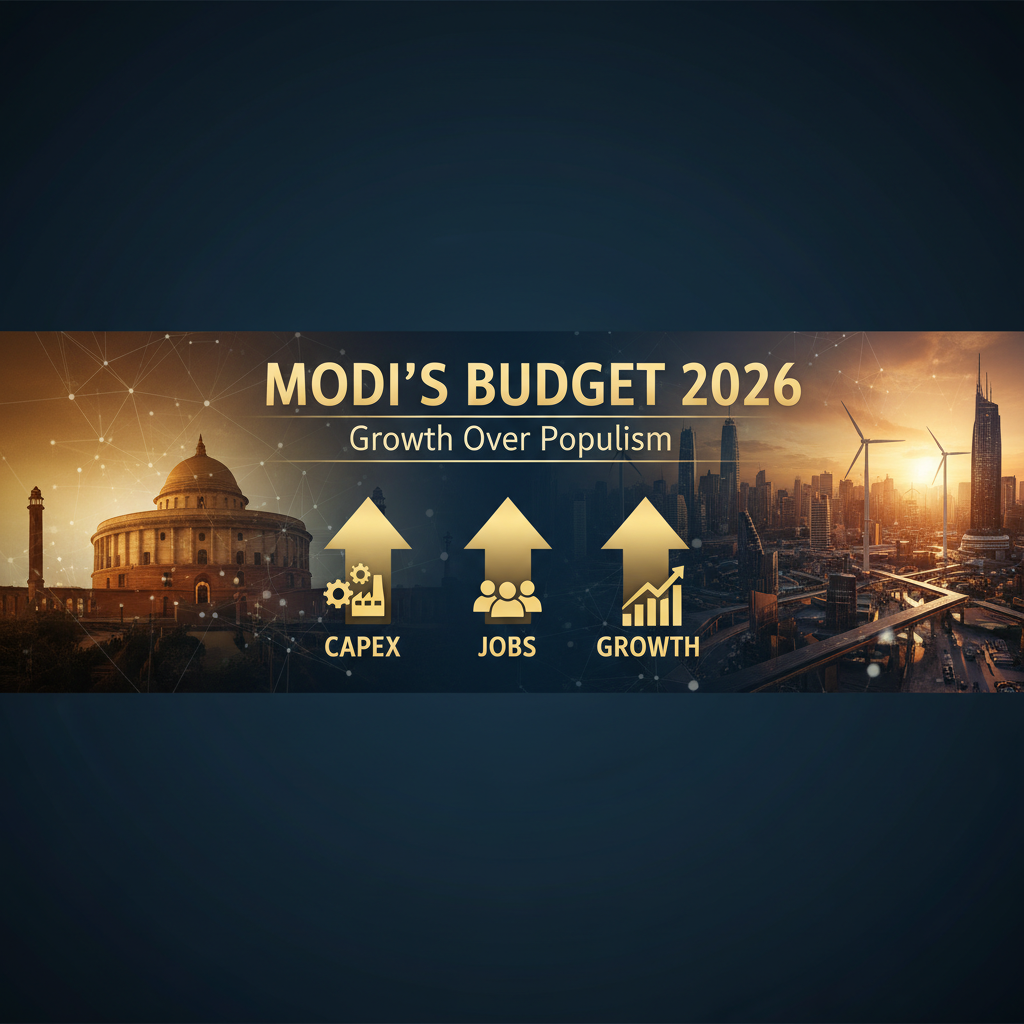
In a bold move that signals a clear direction for India’s economic future, PM Modi has heralded Budget 2026 as a pivotal moment, emphasizing a strategic shift away from populism and towards a focus on capital expenditure (capex) to fuel job creation and sustained economic growth. This approach, as highlighted by the Prime Minister, underscores a ‘we are ready’ stance, positioning India for future prosperity.
The Core Strategy: Capex as the Engine
The cornerstone of Budget 2026 lies in its commitment to capex. By prioritizing investments in infrastructure, technology, and other critical sectors, the government aims to create a ripple effect that stimulates economic activity across the board. The decision to shun populism, as PM Modi indicated, reflects a long-term vision that prioritizes sustainable growth over short-term gains. This strategy is designed to create a robust economic foundation that can withstand future challenges and foster lasting prosperity.
Why Capex?
The emphasis on capex is not arbitrary; it’s a deliberate choice rooted in economic principles. Capex investments, by their nature, have a multiplier effect. They not only create immediate jobs during the construction and implementation phases but also boost productivity, enhance competitiveness, and attract further investment. This, in turn, leads to increased employment opportunities and higher incomes. The government’s decision to focus on capex is, therefore, a strategic bet on the future, aimed at building a stronger, more resilient economy.
Jobs and Growth: The Dual Mandate
The primary objectives of Budget 2026 are clear: to stimulate job creation and drive economic growth. By investing in infrastructure, the government anticipates a surge in employment opportunities across various sectors, from construction and manufacturing to services and technology. Moreover, the focus on capex is expected to boost overall economic activity, leading to higher GDP growth and improved living standards for the Indian populace.
The Shift Away from Populism
The decision to move away from populism is a significant one. Populist measures, while often popular in the short term, can lead to unsustainable fiscal practices and economic instability. By prioritizing capex, the government is signaling its commitment to fiscal discipline and long-term economic stability. This approach is designed to create a more favorable environment for investment, both domestic and foreign, further accelerating economic growth.
Looking Ahead: A ‘We Are Ready’ Moment
PM Modi’s characterization of Budget 2026 as a ‘we are ready’ moment is a powerful statement of intent. It reflects the government’s confidence in its economic strategy and its commitment to building a prosperous future for India. The emphasis on capex, job creation, and sustainable growth sets the stage for a new era of economic development, one that prioritizes long-term stability and resilience over short-term gains.
This budget underscores a strategic pivot, leveraging capex to not only spur growth but also to create employment opportunities, solidifying India’s trajectory toward economic prosperity.
About the Author