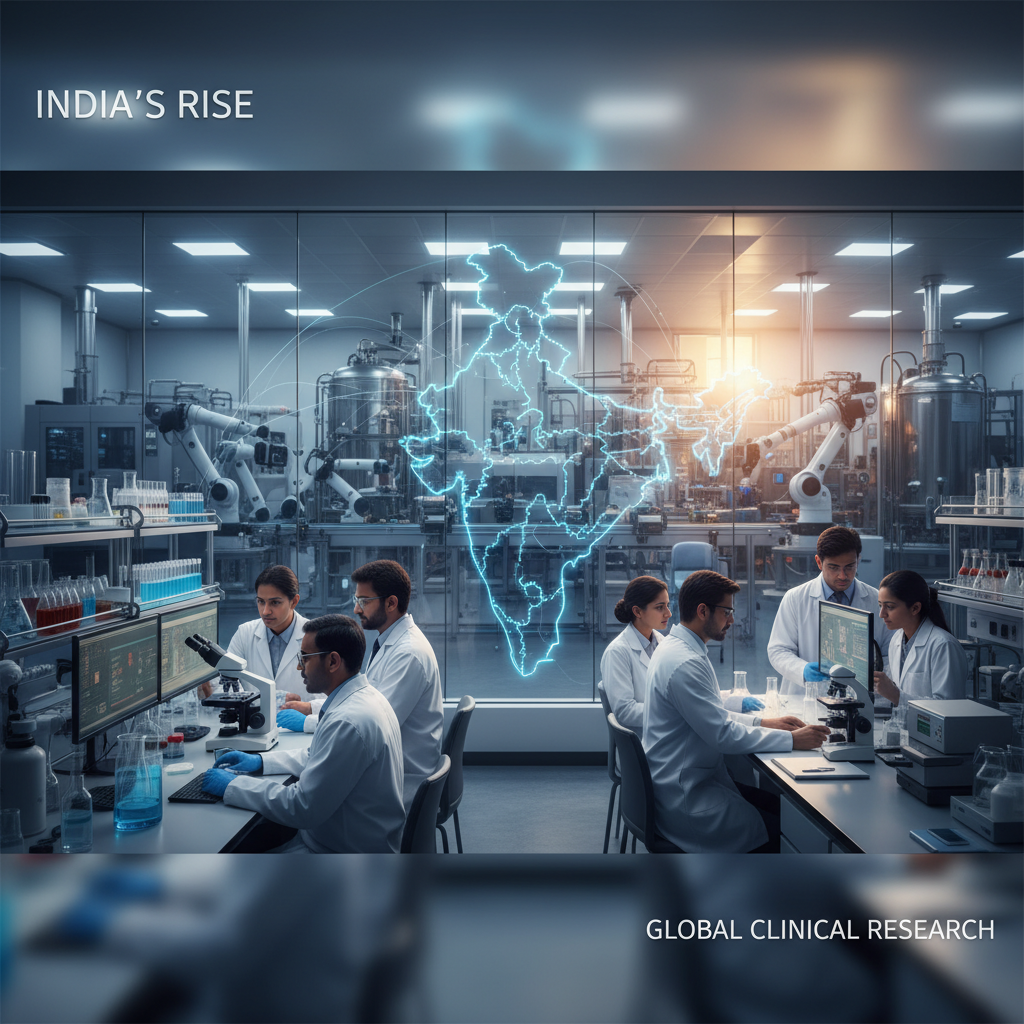
India’s Rise: Becoming the Backbone of Global Clinical Research
India is swiftly transforming into a pivotal player in the world of international clinical trials. This evolution, as highlighted by industry reports, showcases the nation’s capacity to not only navigate global challenges but also to emerge stronger, fueled by a surge in research and innovation. Firms like Parexel are recognizing the crucial role India plays in ensuring consistent business operations. This shift is reshaping the landscape of pharmaceuticals and medical devices, offering new opportunities and challenges.
The Ascent of Clinical Trials in India
The growth of clinical trials in India is multifaceted. It’s a testament to the country’s investment in research infrastructure, the availability of a skilled workforce, and a supportive regulatory environment. India’s ability to conduct trials efficiently and cost-effectively has made it an attractive destination for global pharmaceutical companies. This has been particularly evident in the face of global hurdles, where India has demonstrated resilience, maintaining the momentum of research and development.
Innovation Driving the Future
The surge in research and innovation is a key factor behind India’s ascendance. The focus isn’t just on replicating existing trials, but on developing innovative approaches to drug discovery and clinical research. This includes leveraging technological advancements to improve trial efficiency, patient recruitment, and data analysis. Artificial intelligence is also playing a significant role, offering new avenues for professionals to expand their roles and skill sets, enhancing the overall capabilities of the sector.
The Role of Key Players
Parexel, as an example, is at the forefront of this transformation. Their recognition of India’s contribution underscores the strategic importance of the country in the global clinical research ecosystem. The presence of such key players not only validates India’s capabilities but also attracts further investment and collaboration. This creates a virtuous cycle, driving further growth and innovation. The involvement of these entities ensures the consistent operations of business, which is a significant factor in the success of any clinical trial.
Embracing the Future: AI and Skill Development
The integration of artificial intelligence (AI) into clinical trials is not a threat, but rather an opportunity. It is a chance for professionals to expand their skill sets and expertise. AI can optimize various aspects of clinical trials, from data analysis to patient recruitment, leading to more efficient and effective research. This evolution necessitates continuous learning and adaptation, ensuring that the workforce is equipped with the skills needed to thrive in this rapidly changing environment.
Why India? Ensuring Consistent Business Operations
The consistent business operations are a critical factor in the global clinical trial landscape. India’s robust infrastructure, skilled workforce, and commitment to innovation ensure that trials can be conducted efficiently and effectively. This reliability is why India is becoming a preferred destination for international clinical trials. The ability to maintain momentum, even in the face of global challenges, further solidifies India’s position as a key player in the sector.
Conclusion
In conclusion, India is not just participating in the global clinical research landscape; it is rapidly becoming its backbone. Driven by a commitment to research and innovation, supported by a skilled workforce, and bolstered by the adoption of technologies like artificial intelligence, India is set to play an increasingly critical role in the future of pharmaceuticals and medical devices. The country’s ability to ensure consistent business operations makes it an indispensable partner for global pharmaceutical companies. This trajectory points to a future where India leads the way in shaping global healthcare solutions.
Source: Industry-Economic Times
About the Author