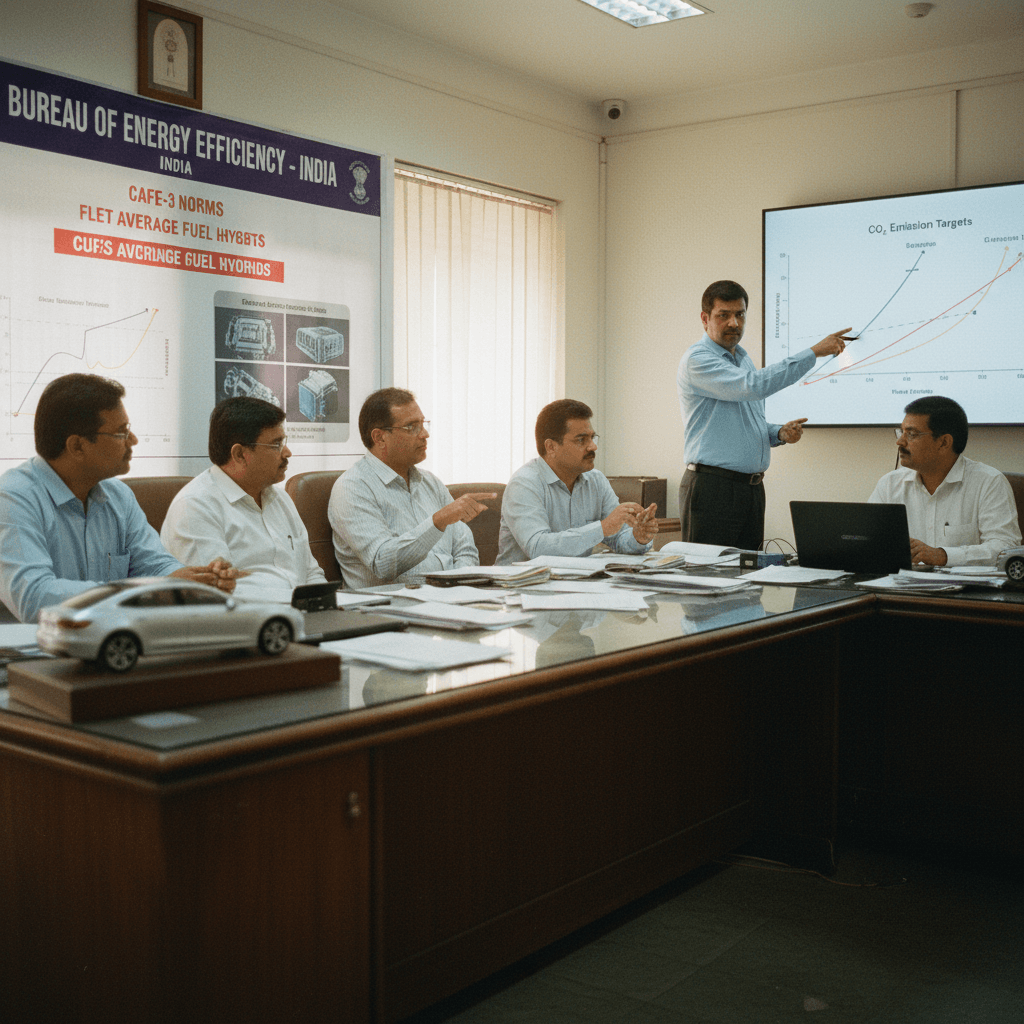
Bureau of Energy Efficiency officials discuss CAFE-3 norms for EVs and hybrids.
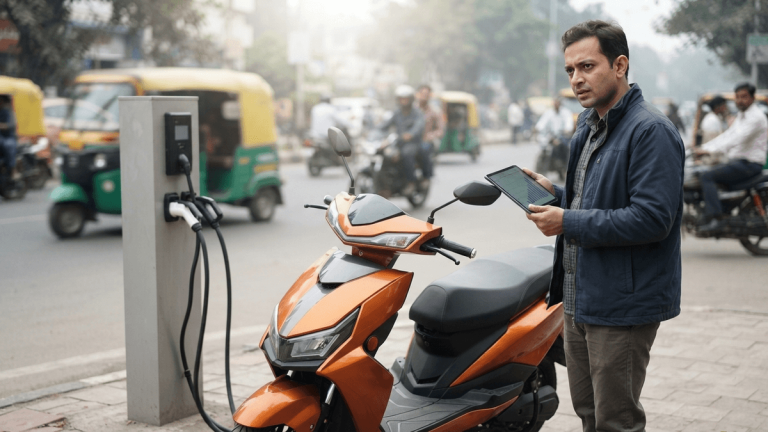
India’s automotive sector is bracing for new emission standards as the Bureau of Energy Efficiency (BEE) prepares to implement the Corporate Average Fuel Economy (CAFE-3) norms in 2027. The draft introduces revised targets aimed at improving overall fleet fuel efficiency, with a particular emphasis on encouraging the adoption of electric vehicles (EVs) and hybrid technologies.
The CAFE-3 draft includes some concessions, particularly for smaller car manufacturers, by easing initial targets. However, manufacturers will need to demonstrate year-on-year improvements in fleet efficiency to comply with the regulations. The policy is structured to incentivize the sale of EVs and hybrid vehicles, seen as key components in achieving the long-term emission reduction goals.
Non-compliance with the CAFE-3 norms will attract financial penalties, though the framework allows manufacturers to offset these with credits earned through exceeding the set targets. This mechanism provides flexibility while maintaining the overall objective of enhancing fuel efficiency across the Indian automotive market.
The move aligns with India’s broader environmental strategy, pushing automakers to invest in cleaner technologies and contribute to reducing the carbon footprint of the transportation sector. The impact on private equity and venture capital could be significant, potentially driving more investment into EV and hybrid technology companies.
About the Author