Escalating tensions in vital chokepoints threaten global oil supplies and economic stability.
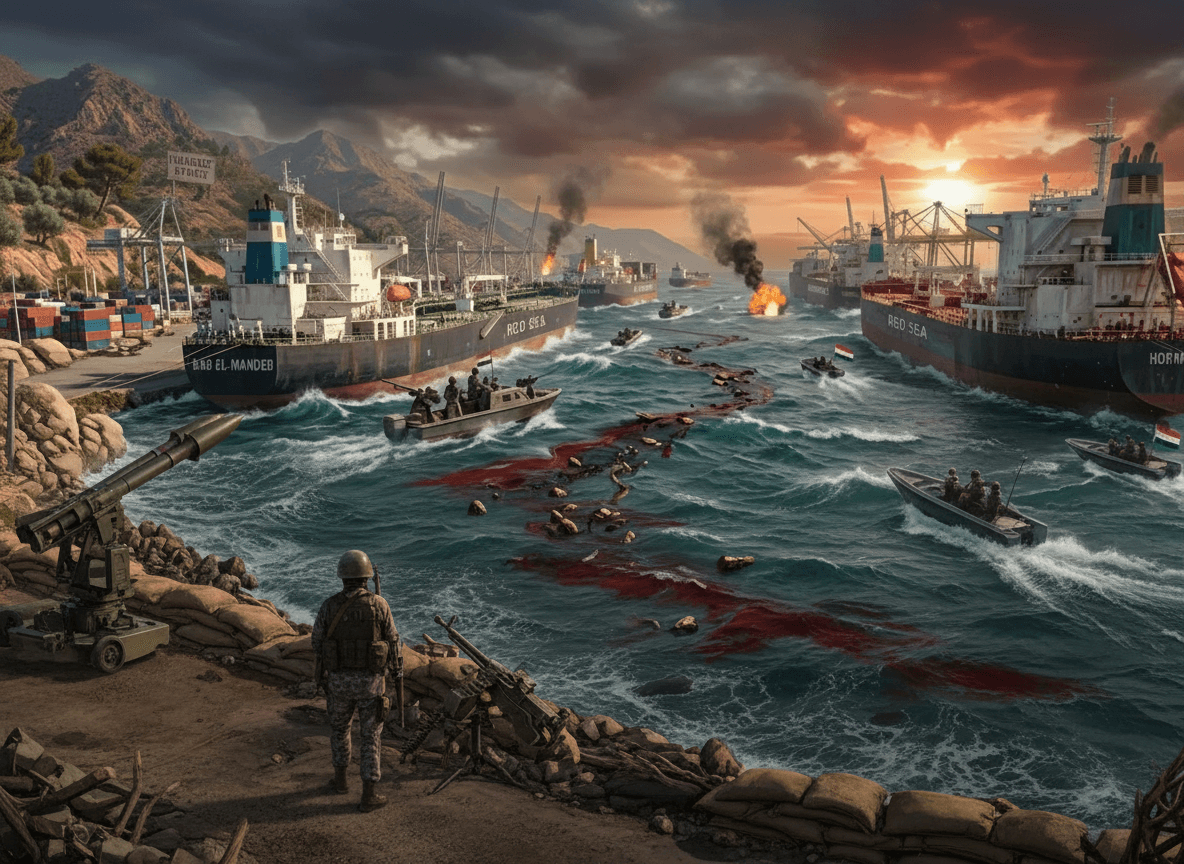
Concerns are mounting over potential disruptions to global oil supply chains as geopolitical tensions escalate in critical maritime chokepoints. According to a report by Economictimes.indiatimes.com, a second major shock to the global economy is emerging, stemming from the ongoing disruption in the Strait of Hormuz, compounded by the risk of Houthi attacks on Red Sea shipping.
The report indicates that Iran is reportedly encouraging the Houthis to prepare for action, which could disrupt the Bab el-Mandeb strait—another critical trade route. This scenario could create simultaneous pressure on two key maritime chokepoints, potentially leading to significant impacts on oil markets and broader economic stability.
These developments raise concerns for private equity and venture capital firms with investments in energy and logistics. Disruptions to oil supply chains can lead to increased volatility in energy prices, affecting portfolio companies and investment strategies. Investors are closely monitoring the situation, assessing potential risks and adjusting their strategies to mitigate the impact of geopolitical instability on their investments.
The situation underscores the importance of geopolitical risk assessment in investment decisions, particularly in sectors heavily reliant on global trade and supply chains. Private equity and venture capital firms are likely to increase their focus on diversification and risk management to navigate the uncertainties arising from these geopolitical tensions.
About the Author