India's EV subsidy extension under PM E-DRIVE, boosting electric two and three-wheelers.
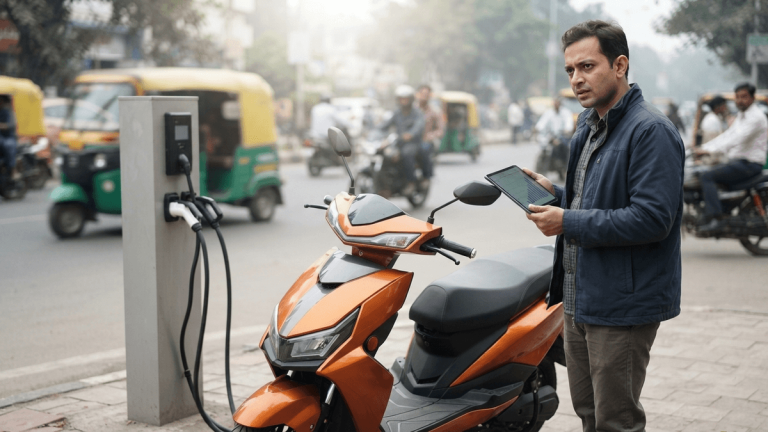
The Ministry of Heavy Industries (MHI) has revised the guidelines for the PM Electric Drive Revolution in Innovative Vehicle Enhancement (PM E-DRIVE) initiative, extending subsidy timelines for electric vehicles (EVs), particularly electric two- and three-wheelers (E2Ws and E3Ws).
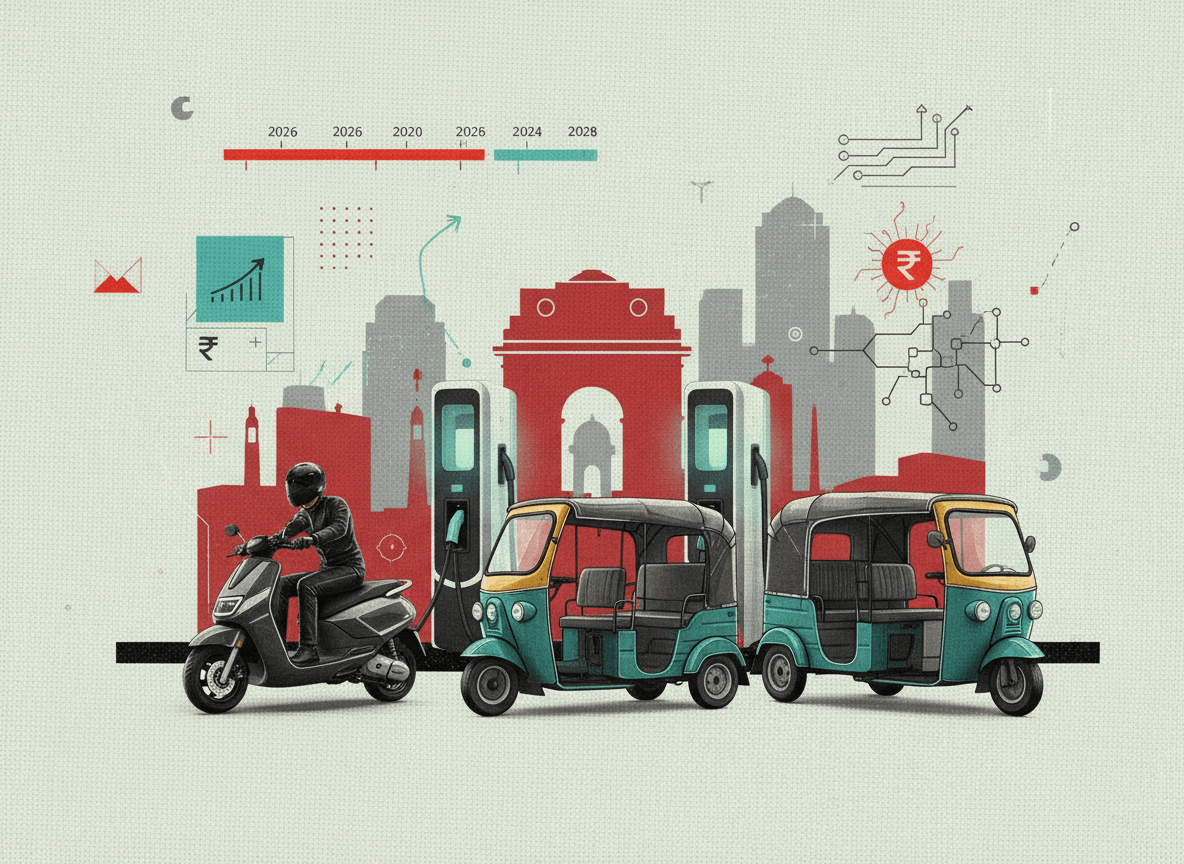
According to an official notification, E2Ws registered until July 31, 2026, will be eligible for incentives, while E3Ws will continue to receive subsidies until March 31, 2028. The initial deadline for these incentives was set to expire in March 2026. This extension aims to further stimulate the adoption of EVs in these categories.
The government has also established price ceilings for subsidy eligibility. E2Ws priced above ₹1.5 Lakh and E3Ws above ₹2.5 Lakh will not qualify for the scheme. Subsidies will be linked to battery capacity, with E2Ws eligible for up to ₹5,000 per kWh, capped at ₹10,000 per vehicle. This support will be reduced in a later phase to ₹2,500 per kWh, with a cap of ₹5,000. For e-rickshaws and e-carts, incentives are set at ₹5,000 per kWh, capped at ₹25,000 per vehicle, later lowered to ₹2,500 per kWh, capped at ₹12,500. In all cases, the incentive will be limited to 15% of the vehicle’s ex-factory price, whichever is lower.
The allocation for e-rickshaws and e-carts has been reduced to ₹50 Cr, indicating a slower adoption rate in this segment. The L5 category of electric three-wheelers has already achieved its target and was closed on December 26, 2025. The notification also mentioned that incentive amounts may be revised based on vehicle cost changes.
The center has scaled E2W targets to 24.8 Lakh from 14 Lakh, and the goal for E3Ws has been raised to over 39,000 from 36,400. PM E-DRIVE, rolled out in September 2024 as a two-year scheme with a total outlay of Rs 10,900 Cr, replaced the Electric Mobility Promotion Scheme 2024 (EMPS-2024), which ran from April to September 2024.
The scheme aims to boost EV adoption by offering subsidies, expanding charging infrastructure, and supporting local manufacturing. The revision aligns with the rapid growth of India’s EV ecosystem, with the market expected to reach $132 Bn by 2030. This initiative builds on the earlier FAME scheme and reflects the government’s continued commitment to promoting electric mobility.
About the Author