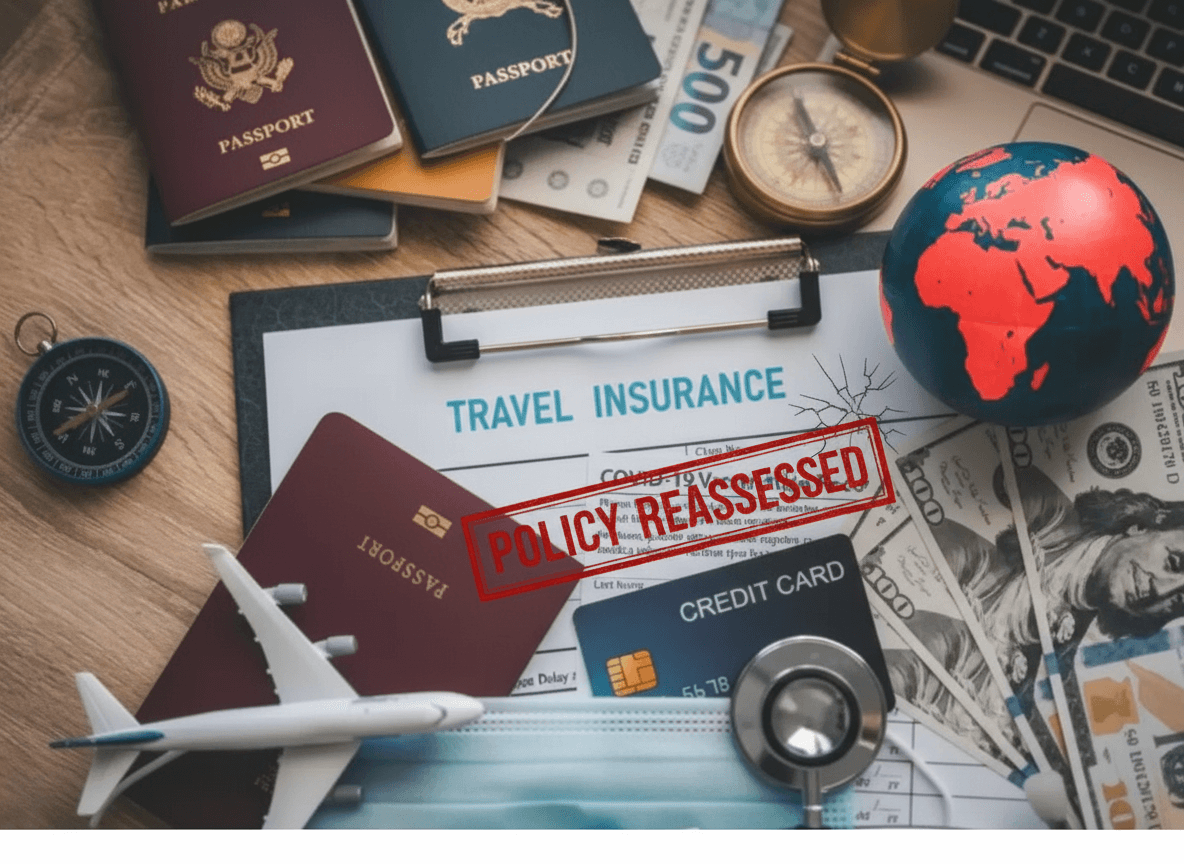
Travel insurance policy being reassessed amidst global conflict.
The ongoing conflict in West Asia is causing travel insurers and travelers to reassess their coverage strategies, with geopolitical risks emerging as a primary concern. This shift is driven by a rise in claims related to flight and trip cancellations, prompting a closer look at policy exclusions and potential financial impacts.
While the direct financial impact is currently limited, the insurance industry is keenly aware of the potential for increased claims. Many travel insurance policies typically exclude losses related to war, creating a coverage gap for travelers affected by the conflict. Insurers are now evaluating how to address these exclusions and provide more comprehensive protection in regions with heightened geopolitical instability.
The situation is also influencing travelers’ decisions, with many seeking more clarity on their coverage terms and considering additional protections for their trips. This increased scrutiny is pushing insurers to offer more transparent and adaptable policies that can address the evolving risks associated with travel to conflict zones.
As the conflict continues, both insurers and travelers are expected to maintain a cautious approach, carefully weighing the risks and coverage options available. The long-term impact on travel insurance premiums and policy terms remains to be seen, but the current situation underscores the need for greater awareness and flexibility in the face of geopolitical uncertainties.
About the Author