Geopolitical tensions reshape global gas markets, impacting emerging economies.
Weeks of escalating tensions between Israel and Iran are sending shockwaves through global gas markets, threatening energy security and industrial growth, particularly in emerging economies. The disruption follows a reported Iranian drone attack that forced the shutdown of Qatar’s largest liquefied natural gas (LNG) plant, Ras Laffan, a critical supplier to Asia and Europe.
The shutdown has triggered a surge in spot prices for LNG, raising concerns about affordability, especially for emerging nations reliant on gas for power generation and industrial processes. Reports indicate that some industrial consumers in these markets may face curtailed production due to higher energy costs.
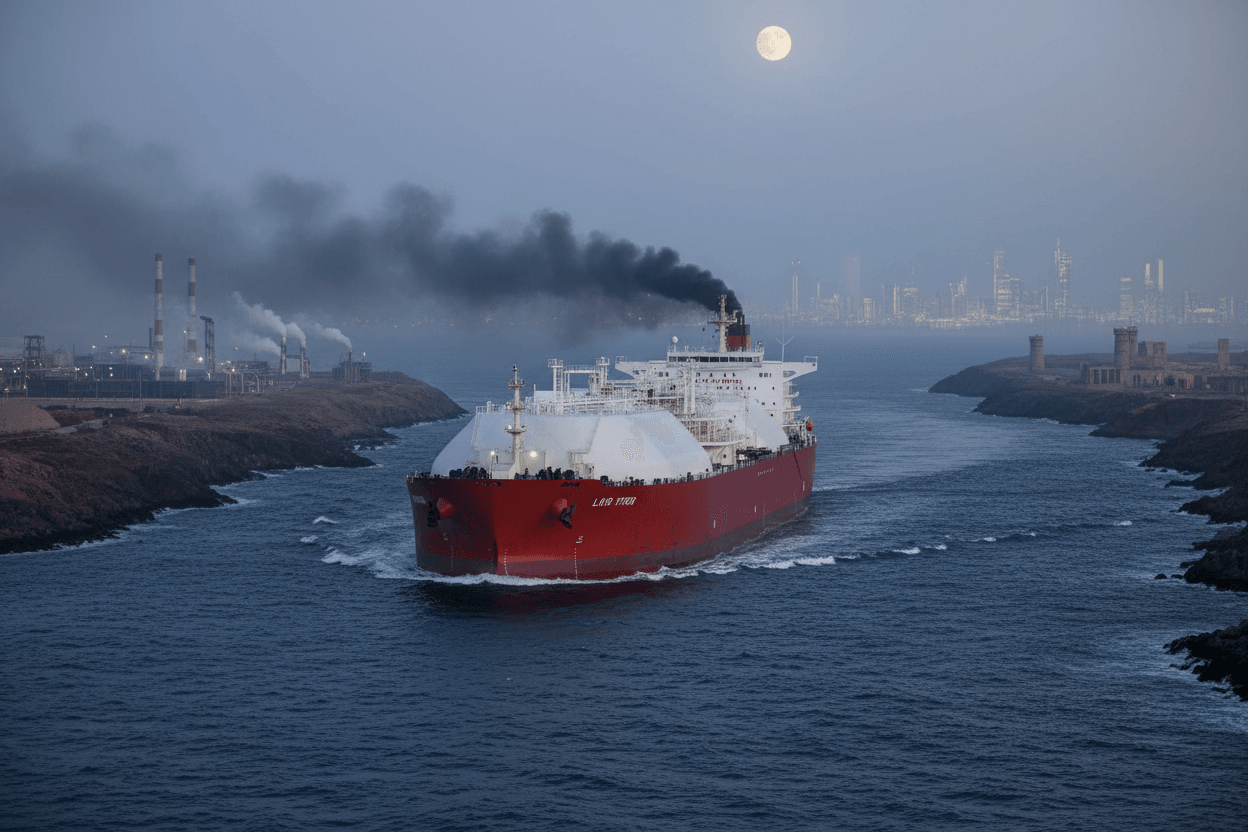
Further exacerbating the crisis is the potential closure of the Strait of Hormuz, a vital transit route for LNG tankers. Any disruption to maritime traffic through the Strait would lead to further price spikes and supply shortages, with India, among the largest importers, particularly exposed.
The crisis has potential implications for the renewable energy transition. As gas supplies tighten, some nations may delay investments in renewable energy projects, prolonging reliance on more carbon-intensive fuels. The situation underscores the vulnerability of global energy markets to geopolitical events and the need for diversified energy sources and supply routes.
The events highlight the interconnectedness of global energy markets and the potential for regional conflicts to have far-reaching economic consequences.
About the Author