India Prioritizes LPG, CNG Amidst Gas Allocation Changes
In response to disruptions in imported gas supplies, particularly in the wake of the West Asia conflict, India has undertaken a significant revision of its domestic gas allocation priorities. This strategic decision places a heightened emphasis on ensuring the uninterrupted availability of essential energy resources for households and critical sectors. The primary goal is to safeguard the supply chain, especially given the current global uncertainties.
Prioritizing Essential Services
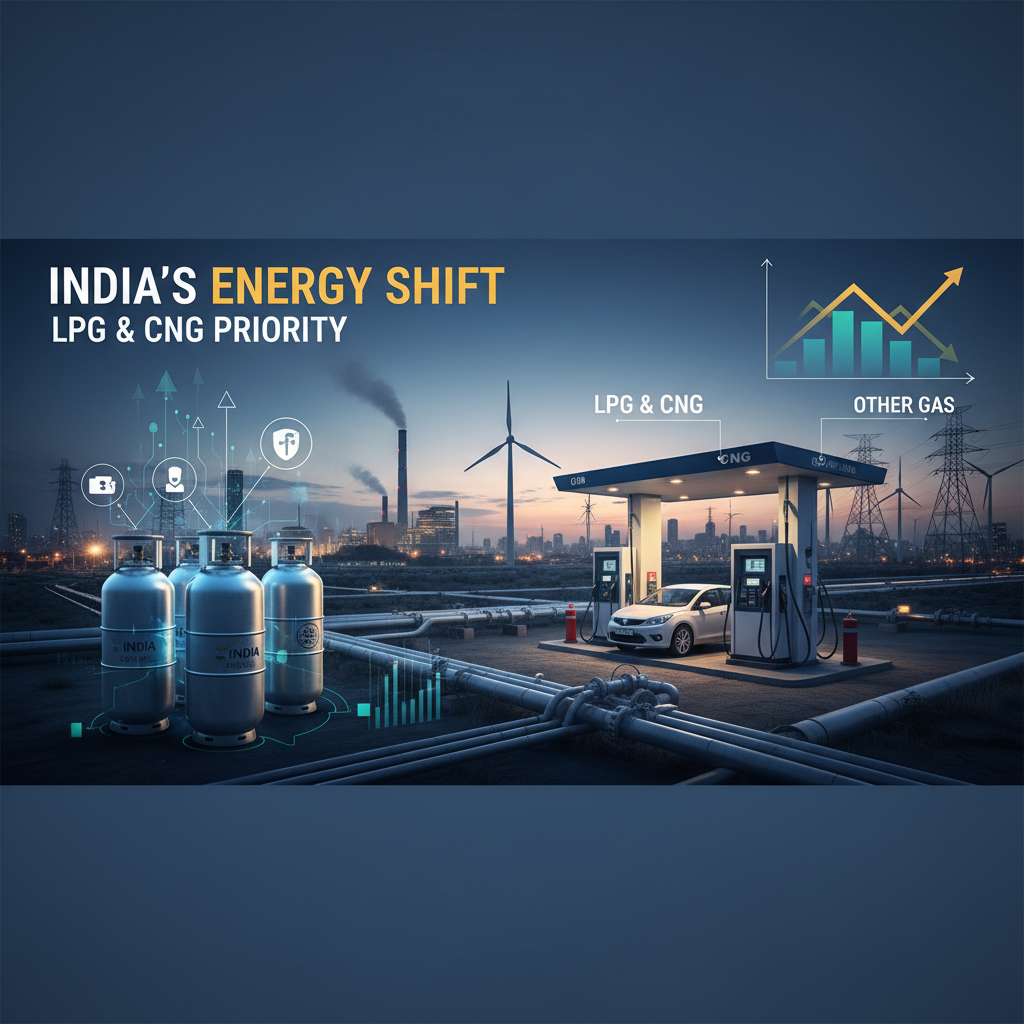
The revised allocation framework prioritizes Liquefied Petroleum Gas (LPG), Compressed Natural Gas (CNG), and piped cooking gas. This means that households and consumers relying on these services will be assured of a consistent supply. This prioritization reflects India’s commitment to meeting the fundamental energy needs of its citizens first and foremost. The decision is a direct response to the need to secure supplies and ensure that essential services are not compromised.
Sector-Specific Allocations
While prioritizing household needs, the new allocation strategy also addresses the requirements of various industrial sectors. Fertilizer plants will receive 70% of their gas demand, while tea, manufacturing, and industrial consumers will collectively receive 80% of their past demand. This approach seeks to balance the needs of essential sectors with the overall goal of securing supply. The government has made it clear that these measures are critical to maintaining economic stability during a period of global uncertainty.
Impact on Petrochemical and Power Sectors
To ensure adequate supply for the prioritized sectors, the Indian government has made the tough decision to curtail supplies to the petrochemical and power sectors. This measure is a direct consequence of the need to manage limited resources effectively. By curtailing these sectors, the government aims to ensure that essential supplies are not disrupted. This reallocation underscores the government’s commitment to prioritizing the most critical needs during times of stress.
Context of the West Asia Conflict
The changes in gas allocation come amidst the ongoing geopolitical tensions in West Asia, a region that is a significant source of imported gas for India. The disruptions in this region have highlighted the need for India to proactively manage its domestic gas resources. This strategic move ensures that India can maintain its energy security and protect its citizens from the effects of global instability.
Conclusion
India’s recent adjustments to its domestic gas allocation framework underscore the country’s proactive approach to energy security. By prioritizing essential services and managing supply chains, India aims to mitigate the impact of external disruptions and ensure that its citizens and critical industries have access to the resources they need. This strategic move reflects India’s dedication to resilience and stability in a complex global environment.
Source: Industry-Economic Times
About the Author