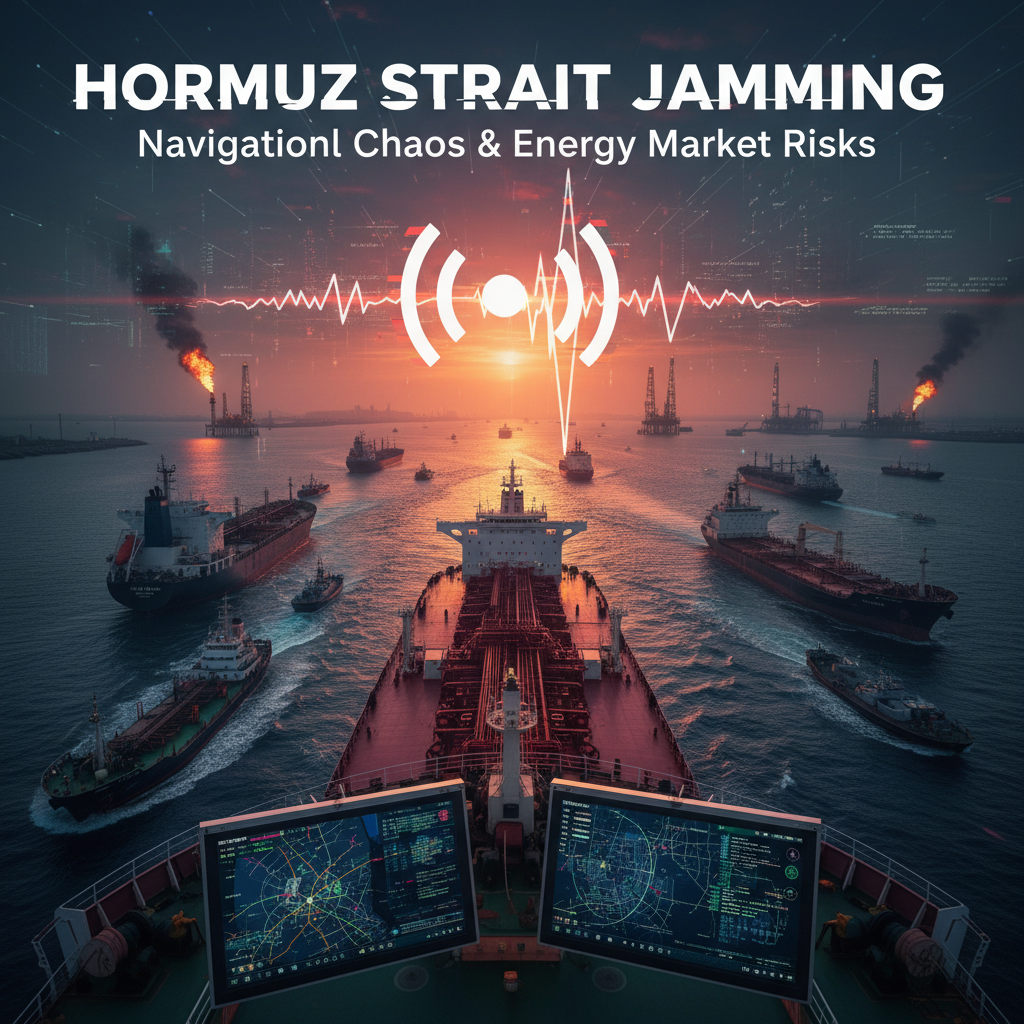
Hormuz Strait Jamming: Navigational Chaos and Energy Market Risks
The Strait of Hormuz, a critical artery for global energy transport, is currently facing a significant challenge: widespread electronic interference. Recent reports indicate the presence of numerous ship clusters in the area, accompanied by navigation tracking difficulties. This situation, linked to the ongoing tensions between the US, Israel, and Iran, has sent ripples through the global energy market and heightened security concerns for vessels operating in the region. The disruption, stemming from suspected war-time signal jamming, is making navigation nearly impossible for many ships.
The Source of Disruption: Electronic Interference and Signal Jamming
The primary issue centers around electronic interference and signal jamming. These tactics, often employed during times of conflict, are designed to disrupt the ability of ships to navigate safely and accurately. The electronic interference makes it difficult, if not impossible, to receive precise location data, which is essential for safe passage through the busy waterway. The signal jamming further complicates matters by blocking or distorting communications, adding to the confusion and potential for accidents. The US and Israel‘s conflict with Iran appears to be the primary why behind this.
Impact on Global Energy Markets
The consequences of this disruption extend far beyond immediate navigational challenges. The Strait of Hormuz is a key chokepoint for global oil and gas shipments. Any impediment to the smooth flow of these resources can have significant impacts on global energy markets. Increased transit times, rerouting of vessels, and heightened insurance premiums are just some of the potential effects. These factors can contribute to price volatility and instability in the energy sector, affecting economies worldwide.
Heightened Security Concerns
The presence of electronic interference also raises serious security concerns. The inability to accurately track vessels makes them more vulnerable to potential attacks or other hostile actions. This environment forces ships to operate under increased risk, leading to the implementation of enhanced security measures, which, in turn, can add to operational costs. The war-time signal jamming heightens these issues.
The Geopolitical Context
The situation is further complicated by the geopolitical dynamics of the region. The ongoing tensions between the US, Israel, and Iran are a significant factor driving the current situation. The US and Israel‘s conflict with Iran is the primary why for the electronic interference. The potential for escalation and further disruptions adds an element of uncertainty that is weighing on the region. As a result, the situation requires careful monitoring and diplomatic efforts to mitigate risks and ensure the safety of maritime traffic.
Navigating the Future
The electronic interference and signal jamming near the Strait of Hormuz present a complex challenge. The US, Israel, and Iran‘s actions impact navigation, energy markets, and security concerns. It is imperative that all parties involved prioritize de-escalation, ensuring the safety of maritime traffic, and stability in the global energy market. The long-term implications of this disruption could be significant, necessitating a comprehensive approach to address both immediate challenges and underlying geopolitical tensions.
About the Author