Pharma Exporters Seek Relief: Soaring Costs and Supply Chain Woes
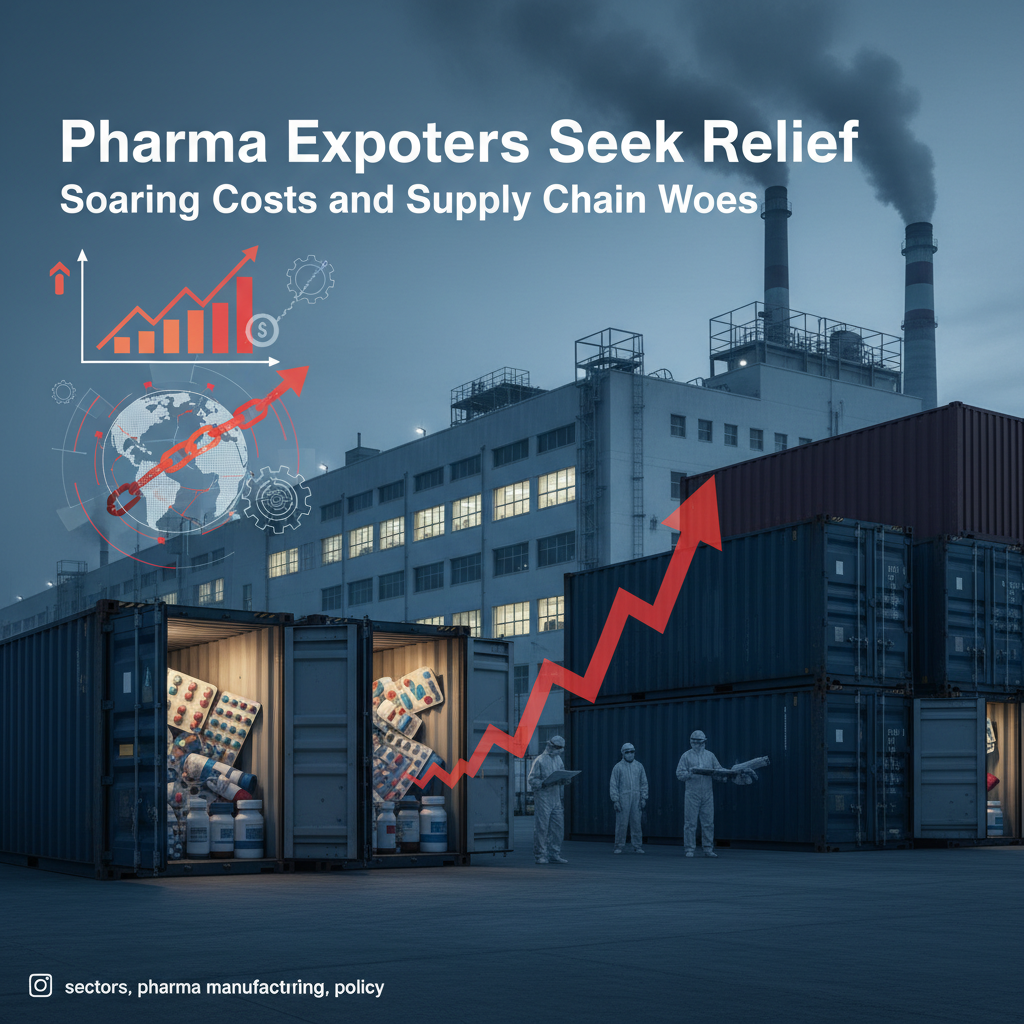
The Indian pharmaceutical sector, a critical player in the global healthcare landscape, is currently navigating a challenging period. As tensions in West Asia escalate, Indian pharmaceutical exporters find themselves grappling with a significant increase in operational costs. This surge is primarily driven by escalating freight charges and potential disruptions to the supply chain, creating a complex situation that demands immediate attention and strategic solutions.
The Rising Tide of Costs
The primary concern for Indian pharmaceutical exporters is the sharp increase in freight costs. These costs are directly impacting the profitability and competitiveness of exporting companies. The volatile geopolitical climate in West Asia has exacerbated these issues, leading to higher insurance premiums, rerouting of shipments, and overall delays. This situation necessitates a proactive approach to mitigate the adverse effects on the pharmaceutical industry.
Pharmexcil’s Call for Support
In response to these challenges, the Pharmaceuticals Export Promotion Council of India (Pharmexcil) is actively advocating for government intervention. Pharmexcil, representing the interests of Indian pharmaceutical exporters, is requesting crucial support to help the industry weather the storm. The council is specifically calling for freight sops (subsidies) and enhanced logistical support. These measures are seen as essential to offset the rising costs and ensure the smooth flow of pharmaceutical products to global markets.
Strategic Adaptations by Pharma Companies
Meanwhile, individual pharmaceutical companies are proactively implementing strategies to minimize the impact of rising costs and potential disruptions. These strategies include:
- Pivoting towards alternative shipping routes: Companies are exploring and utilizing alternative shipping routes to bypass the affected areas and reduce transit times.
- Ramping up their buffer stocks: To safeguard against potential supply chain interruptions, companies are increasing their buffer stocks of essential raw materials and finished products.
These actions demonstrate the industry’s resilience and its commitment to ensuring the continued supply of critical medicines. The shift towards alternative routes and the building of larger buffer stocks are key strategies to address the potential for disruptions.
The Broader Implications
The challenges faced by Indian pharmaceutical exporters have implications that extend beyond the immediate financial impact. The rising costs could potentially affect the affordability of medicines in various markets, especially in regions that rely heavily on Indian pharmaceutical exports. Ensuring the stability of the supply chain is therefore not only a matter of economic concern, but also a matter of public health.
Conclusion
The situation underscores the need for a collaborative approach involving industry, government, and other stakeholders. Indian pharmaceutical exporters are demonstrating adaptability, but sustained support is crucial. The industry’s ability to navigate this period will be critical not only for its own success, but also for maintaining the global supply of essential medicines. The industry is responding to escalating costs and potential disruptions in anticipation of potential disruptions.
About the Author