India’s Finished Steel Exports Surge, Signaling Economic Strength
The Indian steel sector is demonstrating impressive growth, according to recent data. In a period spanning from April to February of the fiscal year, finished steel exports witnessed a substantial increase, reflecting a robust performance in the manufacturing and trade sectors. This positive trend underscores the nation’s growing economic strength and its expanding role in the global metal industry. This article will delve into the details of this impressive performance, exploring the key factors driving this surge and its implications for India’s economy.
Export Performance: A Significant Jump
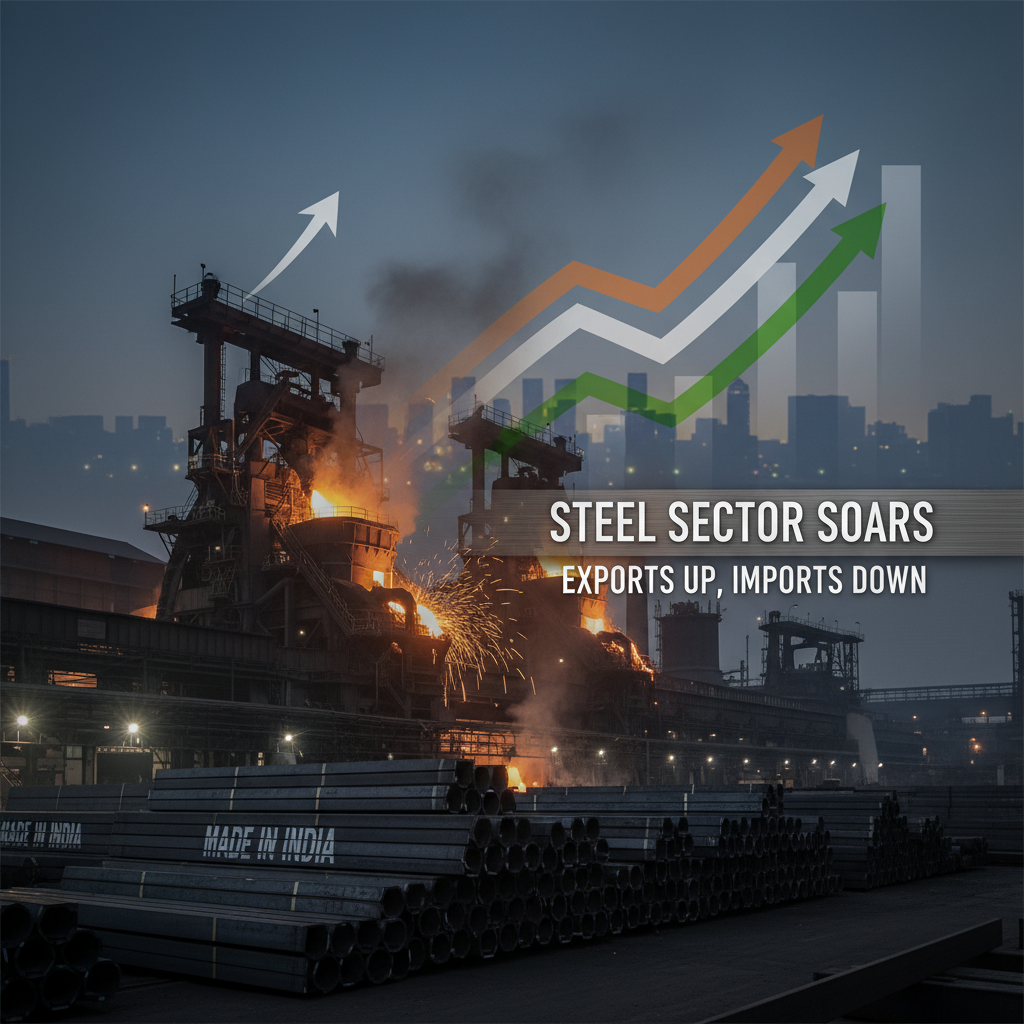
The most striking aspect of the recent data is the significant rise in finished steel exports. Over the first eleven months of the fiscal year, India’s exports of finished steel reached 6.02 million metric tons. This represents a remarkable 36.6% increase compared to the previous period. This surge in exports indicates a strong global demand for Indian steel products and the competitiveness of Indian manufacturers in the international market. The ‘how’ of this export success can be attributed to a combination of factors, including increased production capacity, competitive pricing, and strategic market positioning.
Production and Demand Dynamics
Alongside the export figures, the production data further highlights the sector’s positive trajectory. Crude steel production in India also saw a considerable increase, with an 11.2% jump during the same period. This increase in production capacity is a direct response to the growing domestic and international demand. The ‘why’ behind this growth is multifaceted, including government initiatives to boost manufacturing, infrastructure development projects, and the overall positive economic outlook.
Imports: A Contrasting Trend
While exports surged, imports of finished steel saw a contrasting trend. Imports dropped sharply by 37.4% during the same eleven-month period. This decline in imports is a positive indicator, suggesting that domestic demand is being adequately met by local production. This trend also reflects the success of the ‘Make in India’ initiative, aimed at promoting domestic manufacturing and reducing reliance on imports.
Key Takeaways and Implications
The data from April to February of the fiscal year paints a clear picture of a thriving steel sector in India. The significant increase in finished steel exports, coupled with a decline in imports, points to a strong domestic demand and a successful export strategy. The ‘when’ of this period is crucial, as it reflects the performance over the first eleven months, giving a comprehensive view of the fiscal year’s trend. The ‘where’ is, of course, India, showcasing the nation’s growing prowess in the global metal industry. The ‘what’ includes finished steel exports, crude steel production, and imports of finished steel, all of which reflect a positive economic trajectory.
This robust performance of the steel sector has broader implications for the Indian economy. It contributes to economic growth, boosts manufacturing, and enhances India’s position in global trade. As the sector continues to grow, it is expected to create more jobs, attract investment, and further strengthen the nation’s economic outlook. The positive sentiment surrounding the steel industry is well-deserved, reflecting the hard work and strategic planning of the key players in the sector.
Source: Economic Times
About the Author