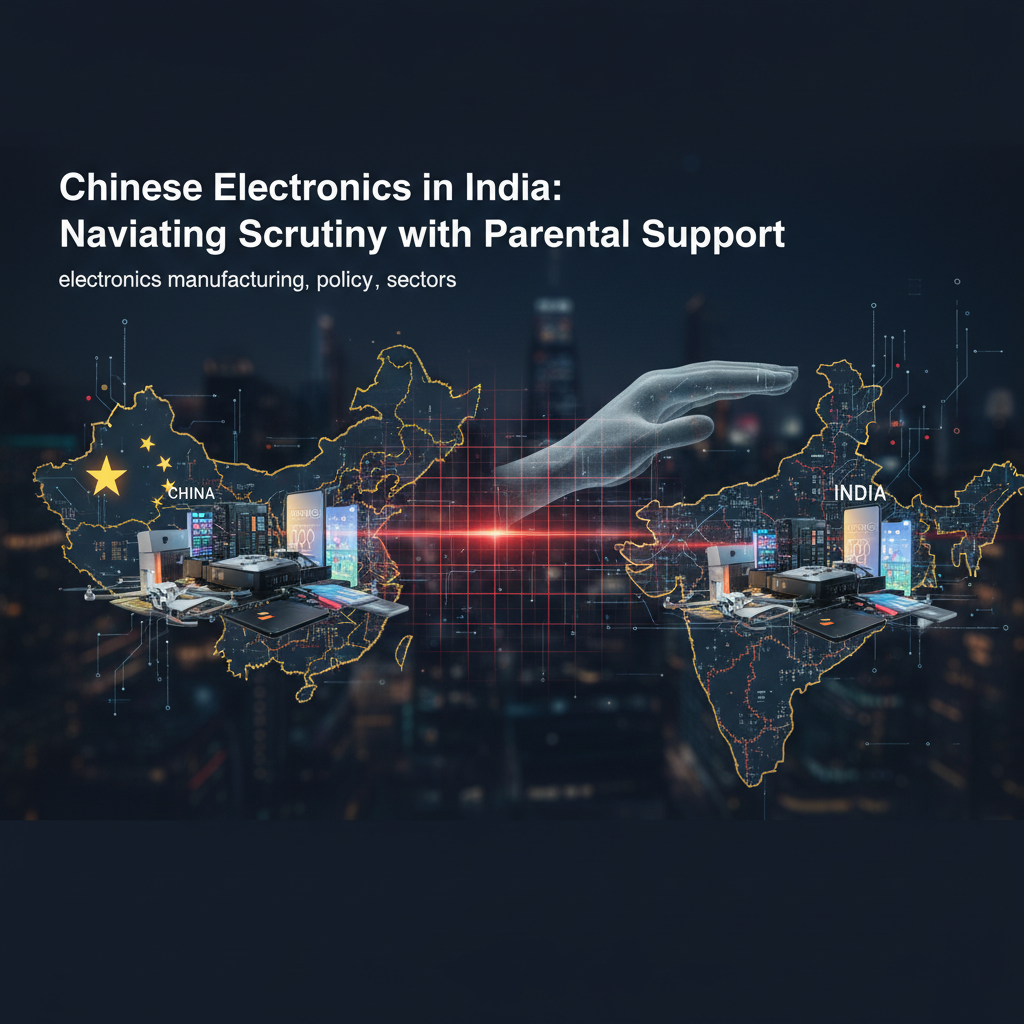
Chinese Electronics in India: Relying on Parental Support Amidst Scrutiny
The Indian market, a lucrative yet complex landscape, is currently witnessing a significant trend within its electronics sector. Chinese electronics companies, including prominent players like Vivo and Xiaomi, are increasingly turning to their parent companies for financial assistance. This strategic move is not merely a financial transaction; it’s a lifeline designed to navigate a web of legal hurdles and regulatory issues that have become increasingly challenging in the Indian market. This reliance on parental backing highlights the evolving dynamics within the electronics manufacturing sector and the specific policy challenges faced by foreign entities.
The Financial Lifeline: How Parent Companies are Stepping In
The core of this narrative revolves around the provision of financial aid. Parent companies are extending crucial support through various financial instruments, providing the necessary resources for their subsidiaries to maintain operations and compliance within India. This financial backing is a direct response to the increasing scrutiny and regulatory pressures these companies are facing. The ‘how’ of this support involves a range of financial tools, enabling the Indian subsidiaries to weather the storm and sustain their market presence. The ‘why’ behind this financial infusion is multifaceted: to navigate the complex legal landscape, address regulatory issues, and ultimately, to survive and thrive in a competitive market. The ‘where’ of these activities is firmly rooted in the Indian market, where these companies have established a significant footprint.
Vivo and Xiaomi, among others, are prime examples of this trend. These companies, known for their popular consumer electronics, are receiving essential financial backing to overcome the challenges they face. This support underscores the critical role parent companies play in ensuring the continuity of their operations in India. The backing is not just about financial stability; it’s about providing the resources necessary to comply with local regulations and maintain a positive standing within the Indian market. This ongoing support is a testament to the commitment of parent companies to their Indian ventures, even amidst a challenging environment.
Market Challenges and Regulatory Issues
The Indian market presents a unique set of challenges for Chinese electronics companies. Regulatory issues, legal hurdles, and increased scrutiny are testing the resilience of these businesses. These challenges are not isolated incidents; they represent a broader trend of tightening regulations and increased oversight. The ‘what’ of these challenges includes navigating complex legal frameworks, complying with stringent regulations, and addressing concerns related to data privacy and security. These are not merely administrative tasks; they are critical factors that can determine the success or failure of a company in the Indian market. The ‘why’ behind this increased scrutiny is multifaceted, encompassing concerns about fair competition, data security, and compliance with local laws.
The electronics industry in India is dynamic, and the policy landscape is constantly evolving. Chinese electronics companies must adapt to these changes to maintain their operations. This adaptation involves not only financial support but also strategic adjustments in business practices, compliance measures, and market strategies. Understanding and navigating these complexities is essential for sustained success in the Indian market. The challenges faced by these companies are a reflection of the broader economic and political dynamics shaping the industry. The ongoing nature of these issues requires continuous adaptation and strategic planning.
The Broader Implications
The reliance on parent companies for financial aid reflects a broader trend within the Indian market. It signals a shift in the dynamics of foreign investment and the challenges faced by international companies. This trend underscores the importance of understanding local regulations, building strong relationships with local stakeholders, and maintaining transparency in all business operations. The ‘who’ in this scenario includes not only the Chinese electronics companies but also the parent companies that are providing essential support. The ‘what’ involves financial aid, regulatory compliance, and market survival. The ‘where’ is, of course, the Indian market, where these dynamics are playing out.
This trend has significant implications for the electronics industry, policy makers, and consumers. It highlights the need for a balanced approach that fosters economic growth while ensuring fair competition and consumer protection. The long-term impact of these developments remains to be seen, but one thing is clear: Chinese electronics companies are facing a period of significant adjustment and adaptation. Their ability to navigate these challenges will shape their future in the Indian market. The ‘when’ of these challenges is now, with ongoing efforts to address regulatory issues and maintain market presence. The need for strategic planning and proactive measures is more critical than ever.
Conclusion
In conclusion, the practice of Chinese electronics companies seeking financial support from their parent companies in the Indian market underscores the complex interplay of market dynamics, regulatory pressures, and strategic adaptation. The ongoing scrutiny and the need for financial lifelines highlight the challenges these businesses face. As the electronics industry continues to evolve, the ability of these companies to navigate legal hurdles, manage regulatory issues, and maintain a competitive edge will be crucial for their survival and success in India. This trend serves as a key indicator of the evolving landscape within the electronics manufacturing sector, the impact of policy changes, and the strategic adaptations required for sustained market presence.
About the Author