Trump’s Take on US Policy: India, Russian Oil, and the Global Stage
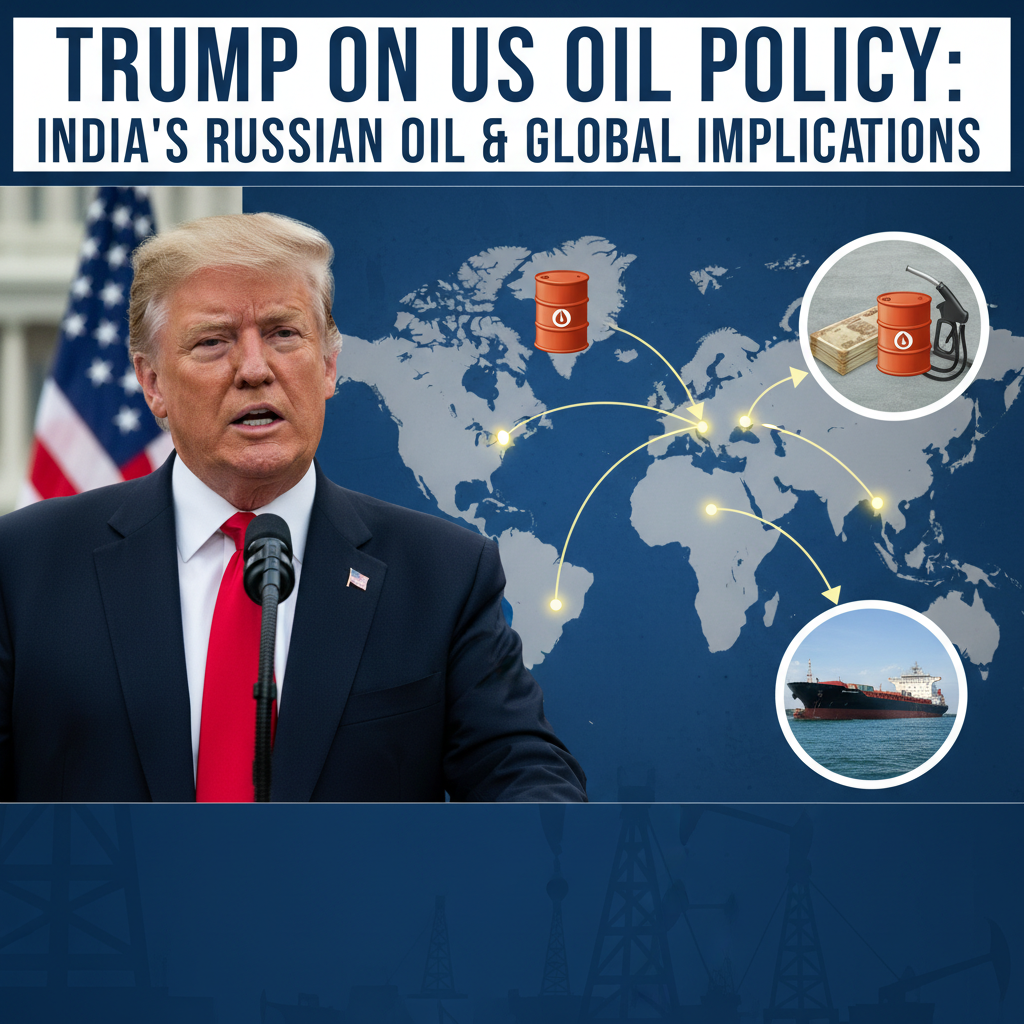
In a recent address to the media, former US President Donald Trump discussed the US decision to permit India to purchase Russian oil. This announcement, made on Saturday (US local time), came in the wake of evolving security concerns in West Asia and the Gulf. The situation has prompted significant shifts in global energy dynamics and geopolitical strategies. Trump’s remarks provide a window into the motivations behind this policy and its potential ramifications.
Understanding the Policy Shift
The core of the matter revolves around the US government’s stance on India’s access to Russian oil. The US, through US Treasury Secretary Scott Bessent, has temporarily allowed India to engage in these transactions. According to Trump, this move is designed “to take a little pressure off.” This statement suggests a strategic intent to stabilize the global oil market, especially given the ongoing geopolitical tensions.
The context surrounding this policy is critical. The US and its allies have imposed sanctions on Russia in response to the security situation in West Asia and the Gulf. These sanctions, however, have created complexities within the global energy market. By allowing India to continue purchasing Russian oil, the US may be attempting to balance the need to penalize Russia with the necessity of maintaining a steady flow of energy supplies worldwide. The policy reflects a delicate balancing act between geopolitical objectives and economic realities.
Geopolitical and Economic Implications
The decision has several layers of implications. Politically, it indicates a pragmatic approach to international relations, recognizing that isolating Russia completely could have unintended consequences. Economically, it acknowledges India’s energy needs and its role in the global oil market. The policy could help India secure affordable energy while still adhering to international sanctions to a certain extent.
This situation also highlights the complexities of the current global order. The US, while leading efforts to sanction Russia, is also navigating a global landscape where energy security and economic stability are paramount. The policy is a testament to the intricate interplay of diplomacy, economics, and strategic interests in the modern world.
Key Players and Actions
Several key players are involved in this scenario. Donald Trump, by commenting on the matter, provides insights into the political undercurrents. Scott Bessent’s announcement as US Treasury Secretary outlines the specifics of the policy. India’s actions in purchasing Russian oil are central to the practical implementation of the policy. The US government’s role is to manage the policy and its broader implications.
The core of the policy is to temporarily allow India to purchase Russian oil. The US is managing this by allowing India to buy Russian oil. This action is taken in the context of the evolving security situation in West Asia and the Gulf, which has significant impacts on the global oil market.
Conclusion
Donald Trump’s comments on the US allowing India to purchase Russian oil offer a glimpse into the complex interplay of policy, economics, and geopolitics. The decision reflects a strategic attempt to balance competing interests in a rapidly changing world. The situation underscores the need for nuanced approaches to international relations and the recognition that global challenges often require multifaceted solutions.
Source: Industry-Economic Times
About the Author