Qatar’s LNG Cuts Threaten India’s Urea Production, Raising Food Inflation Fears
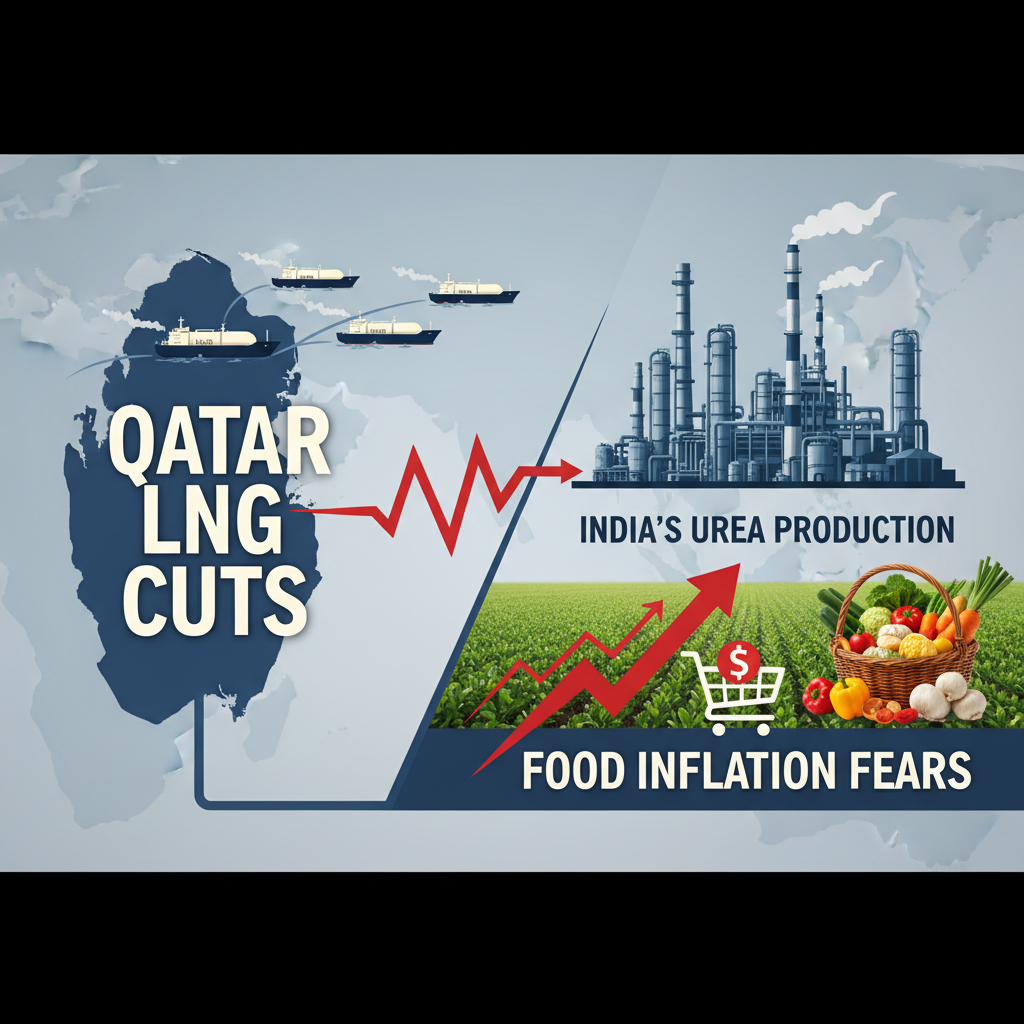
India is facing a significant challenge to its urea production, with potential cuts in liquefied natural gas (LNG) supplies of up to 40%. This disruption, stemming from the ongoing conflict in West Asia, specifically impacts imports from Qatar, a major LNG supplier. The implications of this situation extend far beyond the energy sector, threatening the availability of essential fertilizers and raising concerns about food security and inflation.
The Impact on Urea Production
Urea, a crucial nitrogen-based fertilizer, is vital for agricultural productivity in India. Its production heavily relies on a consistent supply of natural gas, which is used as a feedstock. The projected LNG supply cuts from Qatar pose a direct threat to this production. According to reports, urea producers could experience substantial reductions in their operational capacity, potentially leading to lower fertilizer availability in the market. This scenario is particularly concerning as it unfolds just before the critical kharif planting season, when farmers require ample fertilizer to ensure healthy crop yields.
Threats to the Kharif Season and Food Security
The timing of these supply disruptions is especially critical. The kharif season is a major agricultural period in India, during which essential crops like rice, pulses, and oilseeds are cultivated. Reduced fertilizer availability due to the LNG supply cuts could significantly impact crop yields. Farmers may find themselves with insufficient resources to optimize their harvests, leading to lower production of food grains. This, in turn, could exert upward pressure on food prices, contributing to food inflation and impacting the broader economy. The ripple effects could be felt across the country, affecting both producers and consumers.
Government’s Response and the Need for Alternative Supplies
The Indian government, recognizing the gravity of the situation, is under pressure to secure alternative gas supplies. The government’s actions will be crucial in mitigating the impact of the LNG supply cuts and ensuring the continued availability of fertilizers. Exploring alternative sources of LNG or diversifying the supply chain is essential to safeguard urea production and protect the interests of farmers and consumers alike. The success of these efforts will determine the extent to which India can cushion itself from the negative consequences of the disruptions in Qatar.
West Asia Conflict and Global Implications
The situation highlights the interconnectedness of global markets and the vulnerability of supply chains to geopolitical instability. The West Asia conflict, which is the root cause of the supply disruptions, has far-reaching consequences that extend beyond the immediate region. The incident underscores the need for countries to diversify their energy sources and build resilience against external shocks. It also emphasizes the importance of international cooperation to address challenges that affect global trade and food security.
Conclusion
The LNG supply cuts from Qatar represent a serious challenge for India’s urea producers and, by extension, the country’s agricultural sector. The potential for reduced fertilizer availability, lower crop yields, and increased food inflation warrants immediate attention and proactive measures. The Indian government’s response and its ability to secure alternative gas supplies will be crucial in navigating this crisis and ensuring the continued availability of essential fertilizers for the nation’s farmers. The situation serves as a stark reminder of the importance of stable supply chains and the need for preparedness in the face of geopolitical uncertainties.
About the Author