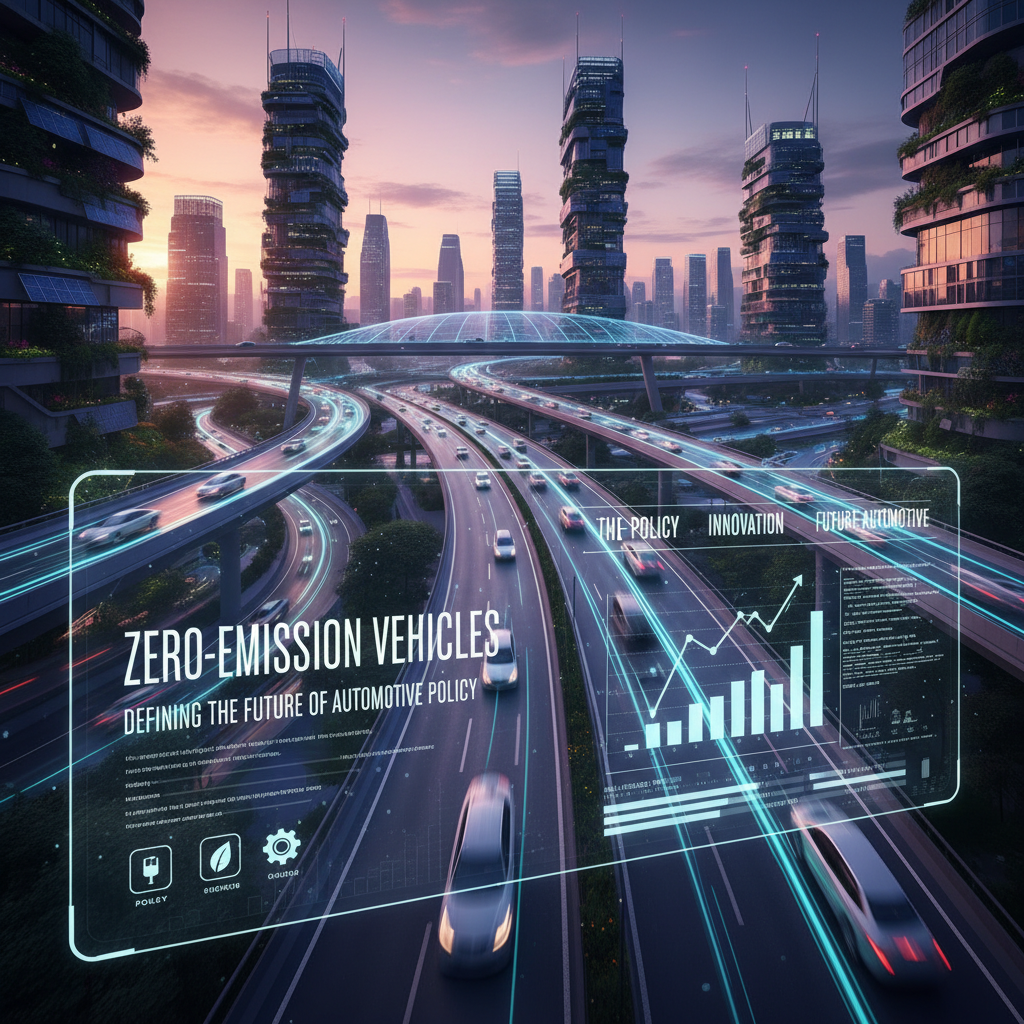
Zero-Emission Vehicles: Defining the Future of Automotive Policy
The automotive industry is in constant flux, particularly when it comes to emission standards and fuel efficiency. A recent proposal by the Niti Aayog, a policy think tank of the Government of India, to classify flex-fuel and compressed biogas vehicles as zero-emission has ignited a significant debate. This discussion underscores the complexities involved in shaping future automotive policies and the diverse perspectives of key stakeholders.
The Core of the Debate: What Truly Qualifies?
At the heart of the matter lies the fundamental question: What precisely constitutes a zero-emission vehicle? While the concept seems straightforward, the nuances are complex, and different manufacturers hold varying viewpoints. The Niti Aayog’s proposal has brought these differing opinions to the forefront, forcing a reevaluation of existing definitions and the criteria used to assess vehicle emissions.
Proponents and Their Arguments
Among the proponents of the Niti Aayog’s proposal are Maruti Suzuki and Toyota. These companies support the classification of flex-fuel and compressed biogas vehicles as zero-emission, primarily because they consider the entire lifecycle emissions of a vehicle. This comprehensive approach takes into account emissions from fuel production, distribution, and consumption, providing a more holistic view of environmental impact. By considering lifecycle emissions, they argue that vehicles using alternative fuels like flex-fuel and compressed biogas can significantly reduce overall carbon footprints, even if tailpipe emissions aren’t entirely zero.
The Opposition: Focusing on Tailpipe Emissions
Conversely, Tata Motors and Mahindra & Mahindra are opposing the move. Their argument centers on the importance of tailpipe emissions. They believe that only vehicles with zero emissions at the point of exhaust should be classified as zero-emission vehicles. This perspective emphasizes immediate environmental impact, focusing on what comes directly out of the vehicle’s exhaust pipe. Their stance reflects a concern that classifying vehicles based on lifecycle emissions might dilute the focus on truly zero-emission technologies, such as electric vehicles.
The Government’s Role: Navigating Complexities
The government is currently weighing the implications of this debate, particularly as it considers new fuel efficiency norms. This task is not simple. The government must balance environmental goals with the economic realities of the automotive industry. The decision will influence the future of vehicle technology, the investments made by automakers, and the choices available to consumers. The government’s final decision will set the tone for future automotive policies and shape the direction of the industry.
Looking Ahead: The Future of Zero-Emission Vehicles
The debate over what counts as a zero-emission vehicle is far from settled. As technology evolves and environmental concerns intensify, the definition of zero-emission vehicles will continue to be refined. The government’s decision on the Niti Aayog’s proposal will be pivotal, setting a precedent for future policies. The automotive industry must adapt to these changes, striving to balance environmental sustainability with technological innovation and economic viability.
The differing views of Maruti Suzuki, Toyota, Tata Motors, and Mahindra & Mahindra highlight the complexities involved in this transition. These companies, along with the government, are key players in shaping the future of automotive policy. Their actions will determine the trajectory of the industry for years to come.
About the Author