Auto Industry Split: Niti Aayog’s ZEV Proposal Sparks Debate
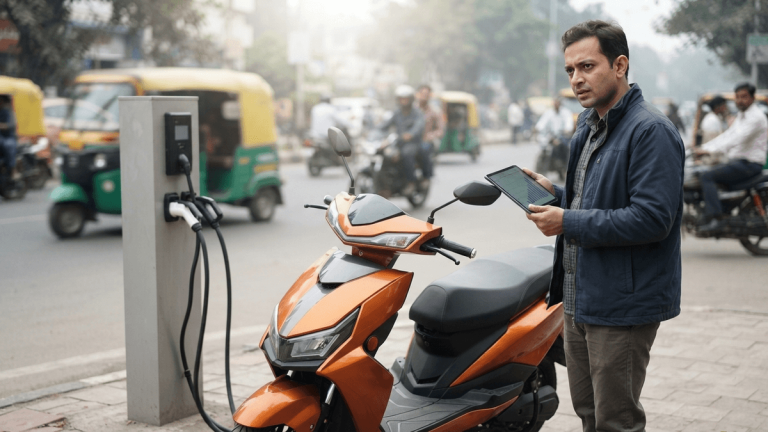
The Indian automotive industry is currently navigating a complex debate surrounding the classification of zero-emission vehicles (ZEVs). At the heart of this discussion is a proposal from Niti Aayog, a policy think tank of the Government of India. The proposal has ignited a divide among carmakers, with some supporting the inclusion of flex-fuel and compressed biogas vehicles within the ZEV category, while others maintain a narrower definition focused solely on tailpipe emissions.
The Core of the Disagreement
The central point of contention revolves around what constitutes a zero-emission vehicle. Niti Aayog’s report suggests a broader definition, encompassing vehicles that utilize flex-fuel and compressed biogas. Proponents of this view argue that these alternative fuels contribute to reducing overall emissions and enhancing energy security. However, opponents, primarily some segments of the auto industry, advocate for a stricter interpretation, asserting that only vehicles with zero tailpipe emissions should qualify as ZEVs. This disagreement underscores the varying perspectives on how best to achieve India’s clean fuel goals.
Context: Fuel Efficiency Rules
Adding to the complexity of the situation is the fact that this debate unfolds as the Indian government considers new fuel efficiency rules. These regulations are designed to reduce the environmental impact of vehicles and promote cleaner transportation options. The proposed ZEV classification will directly influence how these new rules are implemented and what incentives are offered to car manufacturers. The government’s decisions will have a significant impact on the future of the auto industry and the adoption of various fuel technologies.
Understanding the Stakes
The stakes are high for all stakeholders involved. For the government, it’s about balancing environmental objectives with energy security considerations. For carmakers, the classification determines the types of vehicles they can produce and the incentives they can access. Ultimately, the outcome of this debate will shape the trajectory of India’s automotive sector and its contribution to a cleaner, more sustainable future.
Key Players and Their Positions
The primary players in this debate are Indian carmakers and Niti Aayog. While specific viewpoints may vary among individual companies, the general positions are clear. Some carmakers are likely to support the Niti Aayog’s broader definition, seeing it as an opportunity to promote flex-fuel and biogas vehicles. Others, potentially those with a greater focus on electric vehicles (EVs), may favor a narrower definition, believing it will accelerate the adoption of EVs. Niti Aayog, as the proponent of the initial proposal, is likely to stand by its recommendations, though it may consider industry feedback before finalizing its stance.
Why This Matters
The ZEV classification proposal and the resulting debate are significant for several reasons. First and foremost, they directly impact India’s efforts to achieve its clean fuel goals. By defining what constitutes a ZEV, the government can shape the market and incentivize the adoption of cleaner technologies. Secondly, the debate highlights the importance of energy security. The broader the definition of ZEVs, the more options India has to diversify its fuel sources and reduce its dependence on imported oil. Finally, the outcome will influence the competitiveness of different car manufacturers and the overall direction of the automotive industry in India.
As the government considers the new fuel efficiency rules, the auto industry awaits the final decision on the ZEV classification. This decision will not only affect the types of vehicles produced but also the broader strategy to achieve India’s vision for a cleaner and more sustainable transportation sector.
About the Author