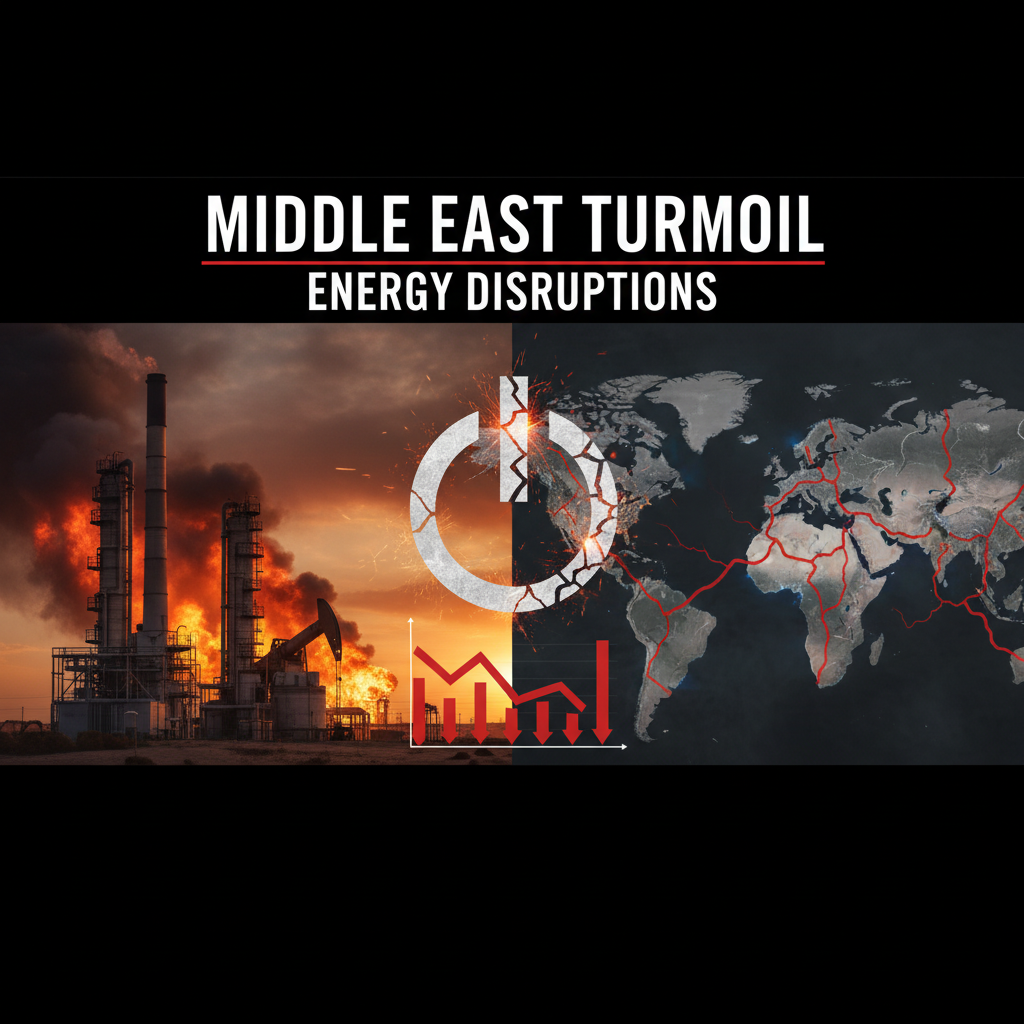
Middle East Turmoil: Energy Supplies Face Disruptions Amidst Attacks
The Middle East, a region pivotal to global energy markets, is once again at the heart of escalating geopolitical tensions. Recent attacks have cast a long shadow over energy supplies, with significant implications for countries worldwide. This situation, as reported by the Economic Times, underscores the vulnerability of critical infrastructure and the ripple effects of instability in a region that underpins much of the world’s energy needs. The negative sentiment surrounding these events highlights the urgency for stability and security in the region.
Qatar Halts LNG Production: Impact on India and Global Markets
One of the most immediate consequences of the recent attacks has been the halting of liquefied natural gas (LNG) production by Qatar. This decision has far-reaching effects, particularly impacting supplies to India. The halt in production raises immediate concerns for industrial consumers and city gas companies that depend on a steady supply of LNG. Petronet LNG, a key player in the Indian energy sector, is now facing logistical challenges, unable to send ships through the vital Strait of Hormuz. This disruption significantly affects India’s energy needs, placing additional strain on its already complex energy landscape. The attacks are causing disruptions that are felt across the supply chain, from production to distribution.
Saudi Arabia’s Ras Tanura Facility Targeted: A Blow to Global Energy Security
Simultaneously, Saudi Arabia’s crucial oil export terminal at Ras Tanura has been hit by an unidentified projectile. This incident, marking the second such occurrence in a matter of days, is a direct assault on the global energy infrastructure. The Ras Tanura facility is of paramount importance for the worldwide distribution of oil, making this attack a significant threat to global energy supplies. The strategic location of Ras Tanura, situated near the Strait of Hormuz, only amplifies the existing concerns over oil shipments and regional stability. The exact extent of the damage and the operational impacts remain unclear, but the implications are considerable.
The Broader Geopolitical Implications
The attacks are not isolated incidents; they are symptomatic of deeper geopolitical tensions within the Middle East. The why behind these actions points towards a complex web of motivations, including the desire to disrupt energy supplies and raise concerns over regional security and oil shipments. The when, being in recent days, highlights the immediacy and volatility of the situation. The how, through attacks that are causing disruptions, emphasizes the direct threat to infrastructure. The Middle East, with its vast oil and gas reserves and strategic waterways, remains a focal point for global energy security. The recent events underscore the interconnectedness of global markets and the potential for regional instability to have widespread consequences. The Saudi Aramco facility, for example, is critical for global energy supplies.
Looking Ahead
The situation in the Middle East demands careful monitoring and strategic responses. The immediate focus must be on assessing the damage, ensuring the security of energy infrastructure, and stabilizing supply chains. The attacks highlight the urgent need for international cooperation to address the underlying causes of conflict and safeguard energy resources. The tags associated with this event include Middle East, Energy Crisis, LNG, Oil Supply, Saudi Arabia, Qatar, India, Geopolitics, Security, and Oil, underscoring the multifaceted nature of the crisis. The what, which involves attacks causing energy supplies disruption, necessitates a comprehensive approach that involves diplomatic, economic, and security measures. The where, primarily in the Middle East, requires specific regional attention to mitigate the ongoing risks.
The events in the Middle East serve as a stark reminder of the fragility of the global energy system. The world watches closely, hoping for swift resolutions and a return to stability in this critical region.
Source: Economic Times
About the Author