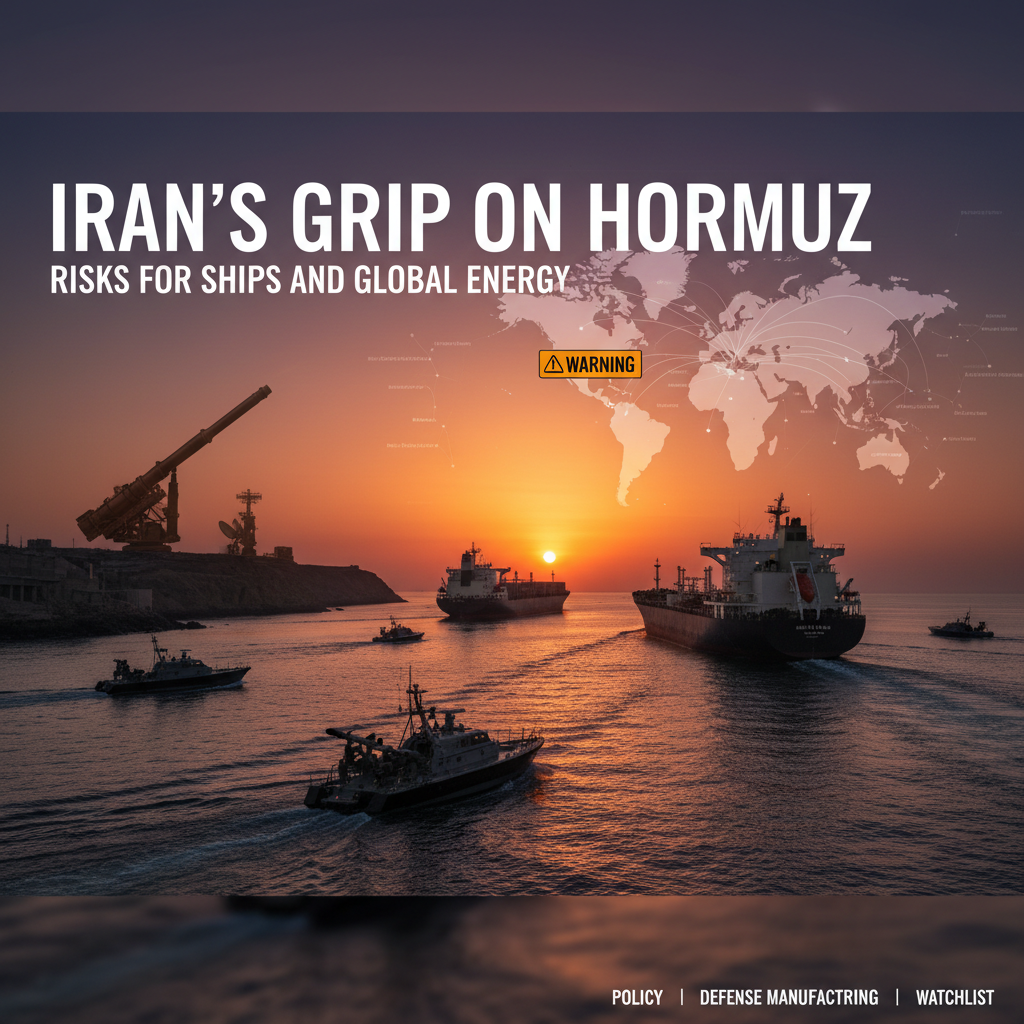
Iran’s Grip on Hormuz: Risks for Ships and Global Energy
In a move that has sent ripples through the global energy market and geopolitical circles, the Iranian Revolutionary Guard Corps (IRGC) has declared its complete control over the Strait of Hormuz. This strategic waterway is a critical chokepoint, handling a significant portion of the world’s oil and gas shipments. The IRGC’s assertion, coupled with warnings of potential threats from missiles and drones, has intensified already heightened regional tensions, particularly in the context of the ongoing Israel-Iran conflict.
The Stakes in the Strait
The Strait of Hormuz is more than just a narrow passage of water; it is a vital artery for the global economy. Its significance lies in its role as a key transit point for a substantial amount of crude oil and natural gas, making it a critical hub for international trade. The IRGC’s claim of control therefore carries significant implications, potentially impacting the flow of energy resources and, by extension, the economic stability of numerous nations. The timing of this announcement, coinciding with a surge in regional tensions, further underscores the gravity of the situation.
IRGC’s Assertions and Warnings
The IRGC’s cautionary note to vessels transiting the Strait of Hormuz is a clear indication of its readiness to project power in the region. The warning of potential missile and drone threats suggests a willingness to use military capabilities to assert sovereignty and potentially control the flow of oil and gas through this critical waterway. This stance reflects a broader strategy of deterrence and a demonstration of Iran’s military capabilities in a highly sensitive area. The IRGC’s actions are viewed with concern by international observers, who are closely monitoring developments to assess the potential impact on regional security and global energy markets.
Geopolitical Ramifications
The IRGC’s declaration has far-reaching geopolitical implications, particularly in the context of the ongoing conflict between Israel and Iran. This move can be interpreted as a strategic maneuver to exert influence and potentially deter adversaries. The heightened tensions in the region have already led to increased scrutiny and defensive postures from various stakeholders. The potential for escalation is a major concern, as any miscalculation or aggressive action could have significant consequences, including disruptions to oil and gas supplies and a broader military conflict.
Impact on Defense Manufacturing and Policy
The situation in the Strait of Hormuz has significant implications for defense manufacturing and policy. The increased threat perception has the potential to boost demand for advanced defense systems, including missile defense systems, drones, and other surveillance technologies. Policy makers around the world are likely to reassess their strategies for safeguarding critical infrastructure, including energy transit routes. This situation underscores the need for proactive measures to ensure the security of international shipping and the stability of global energy markets. The defense industry is closely watching the developments, anticipating increased investment in technologies that can mitigate risks and protect strategic assets in the region.
The Watchlist and Future Outlook
The developments in the Strait of Hormuz warrant close monitoring by international observers. The actions of the IRGC, the potential for escalation, and the implications for global energy markets all contribute to the need for a cautious and proactive approach. Any further actions by the IRGC, or any response by Israel or other international actors, will be critical in shaping the future of the region. The situation remains highly volatile, and the potential for disruptions to oil and gas supplies remains a significant concern. The international community must work to de-escalate tensions and ensure the safety and security of all vessels transiting the Strait of Hormuz.
The claim of control by the Iranian Revolutionary Guard Corps over the Strait of Hormuz, coupled with the warning of threats from missiles and drones, has created a complex and worrying situation. The potential for disruption to the global oil and gas supply, along with the heightened regional tensions, demands careful attention and a coordinated international response. The situation in the Strait of Hormuz serves as a stark reminder of the interconnectedness of global security, energy markets, and geopolitical stability.
About the Author