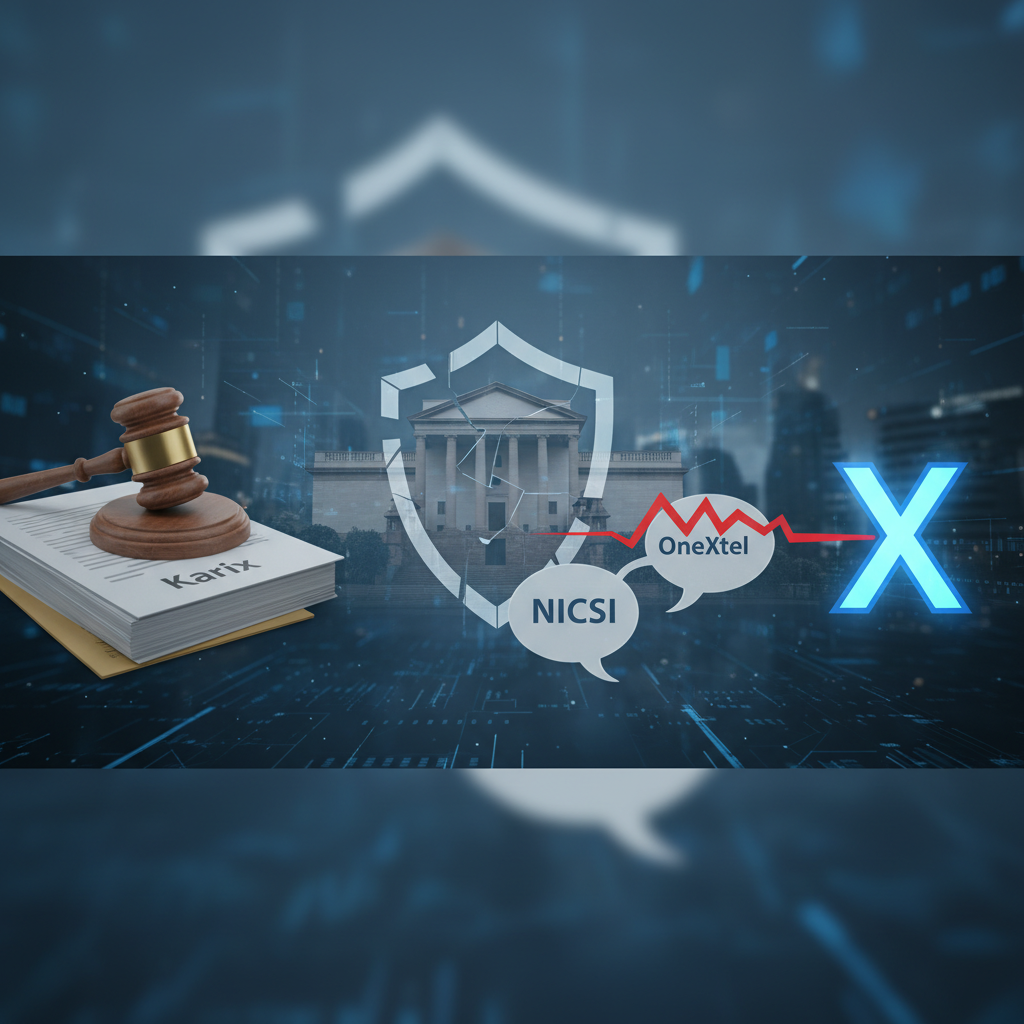
Karix Challenges NICSI & OneXtel Over Messaging Tender in Delhi High Court
In a move that underscores the competitive landscape of India’s enterprise communications sector, Karix Mobile has initiated legal proceedings against NICSI and its competitor, OneXtel Ltd. The crux of the matter lies in a government messaging services tender, with Karix alleging impropriety in how OneXtel secured its position. This legal battle, currently unfolding in the Delhi High Court, highlights the high stakes involved in securing lucrative government contracts and the importance of adhering to stringent qualification criteria.
The Core of the Dispute
At the heart of the controversy is OneXtel’s CMMI Level 5 certification. This certification, a benchmark of software development and service delivery maturity, was a mandatory requirement for the messaging tender. Karix Mobile’s legal challenge suggests that OneXtel’s certification may not have been valid, thereby calling into question the fairness of the empanelment process. The specifics of Karix’s claims, and how they intend to prove the alleged invalidity, remain to be seen as the case progresses.
The details regarding the tender, its value (estimated between Rs 330-375 crore), and the specific services involved are central to understanding the significance of this legal dispute. The Delhi High Court now faces the task of carefully examining the evidence presented by both Karix and OneXtel, along with NICSI’s role in the tender process, to determine the validity of the empanelment.
Implications for the Telecom Sector
This legal challenge has wider implications for the telecom sector, particularly for companies vying for government contracts. The case serves as a reminder of the importance of strict adherence to all tender requirements. Moreover, it underscores the need for transparency and due diligence in the evaluation process. For Karix, the move is a direct attempt to protect its business interests and ensure fair competition. For OneXtel, the legal battle represents a critical test of its compliance and a potential threat to its current government contracts.
The outcome of this case will set a precedent for future government tenders in the messaging services sector and beyond. It highlights the potential consequences of non-compliance and the lengths to which companies will go to protect their interests. The Delhi High Court’s decision will be closely watched by industry stakeholders, as it could reshape the competitive dynamics of the enterprise communications market in India.
Key Players and Their Stakes
The main players in this unfolding drama are Karix Mobile, the challenger; OneXtel Ltd., the company whose empanelment is being contested; and NICSI, the agency responsible for the messaging services tender. The stakes are high for all parties. Karix aims to secure the tender or, at the very least, ensure a fair process. OneXtel is fighting to maintain its position and validate its credentials. NICSI has a responsibility to defend its tender process and ensure it was conducted fairly and in accordance with the rules.
The legal proceedings in the Delhi High Court will determine the validity of OneXtel’s CMMI Level 5 certification and the overall fairness of the tender process. The court’s decision will have a direct impact on the companies involved and could also influence future government tenders in the telecom sector. This case is a crucial test of the regulatory framework and the adherence of companies to the standards and requirements set by the government.
The case is a significant development for the Indian telecom sector, and its outcome will likely have a long-lasting impact on the industry. The legal battle is a clear indication of the high stakes involved in government contracts and the need for rigorous compliance and transparency.
About the Author