Supreme Court Weighs Micro Labs’ Challenge to Diabetes Drug Ban
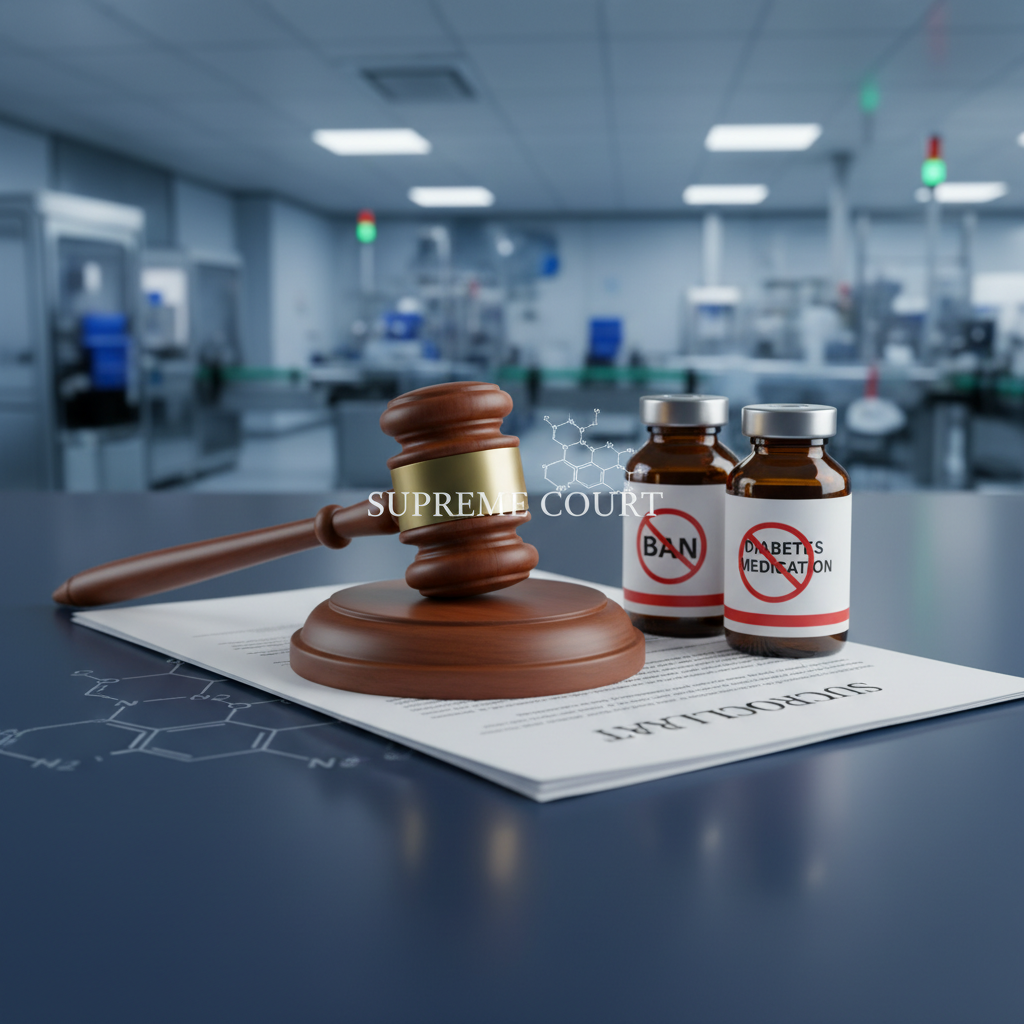
In a significant development for the pharmaceutical industry and patients with Type II diabetes, the Supreme Court has intervened in a dispute concerning the ban of certain fixed-dose combination drugs. This follows an appeal from Micro Labs, challenging the government’s prohibition.
The Core of the Dispute
At the heart of the matter is the government’s ban on specific fixed-dose combinations used in the treatment of Type II diabetes. Micro Labs, a key player in the pharmaceutical sector, is contesting this ban. The legal proceedings have unfolded across multiple court levels, highlighting the complexities of drug regulation and the balance between public health and pharmaceutical business interests.
Legal Battle Unfolds
The legal journey began with a single-judge order in the Delhi High Court that initially favored pharmaceutical companies. However, this was later overturned by a division bench of the Delhi High Court, which restored the government’s ban. The Supreme Court’s decision to seek a response from the Centre and the Drug Controller General of India (DCGI) indicates the importance and potential ramifications of the case.
Key Players and Their Roles
- Supreme Court: The highest judicial authority in India, overseeing the appeal filed by Micro Labs.
- Micro Labs: The pharmaceutical company appealing against the ban on their diabetes drugs.
- Centre: The central government, whose ban on the drugs is being challenged.
- Drug Controller General of India (DCGI): The regulatory authority whose response the Supreme Court has requested.
- Delhi High Court: The court where the case has seen multiple rulings, including the recent restoration of the ban.
Implications for the Pharmaceutical Industry
This legal battle underscores the ongoing challenges within the pharmaceutical industry, particularly concerning regulatory compliance and the approval of drug combinations. The outcome of the Supreme Court’s decision will have far-reaching effects on how fixed-dose combinations are regulated and marketed in India. Moreover, it highlights the influence of court decisions on the pharmaceutical manufacturing sector, setting precedents for future cases.
Impact on Patients
Beyond the legal and commercial aspects, the case has significant implications for patients with Type II diabetes. The availability and accessibility of effective treatments are crucial for managing this chronic condition. The court’s decision will directly influence the options available to patients and the cost and convenience of their medications. Any changes in drug availability can lead to changes in treatment plans, potentially affecting patient outcomes.
Regulatory Framework and Future Outlook
The case is a critical examination of India’s drug regulatory framework. The Supreme Court’s ruling will likely clarify the procedures for banning or approving drugs, providing guidance for both pharmaceutical companies and regulatory bodies. The decision will also influence future policies on drug formulations and approvals, setting a precedent for similar cases.
The Supreme Court’s involvement signifies the importance of this case. The Court’s decision, once delivered, will impact the pharmaceutical industry and patient care.
Source: Industry-Economic Times
About the Author