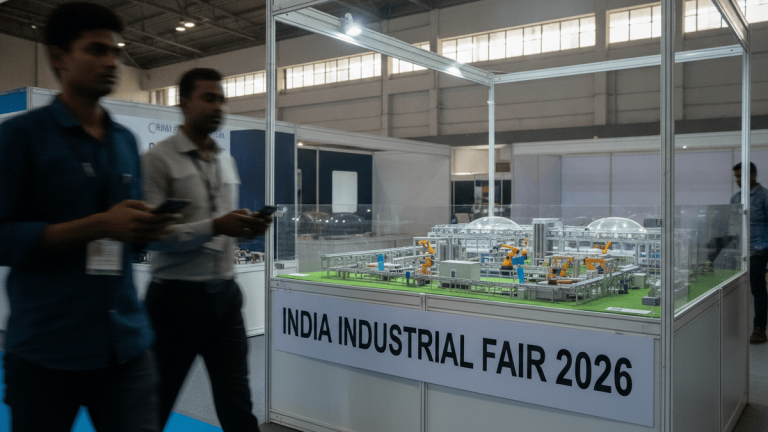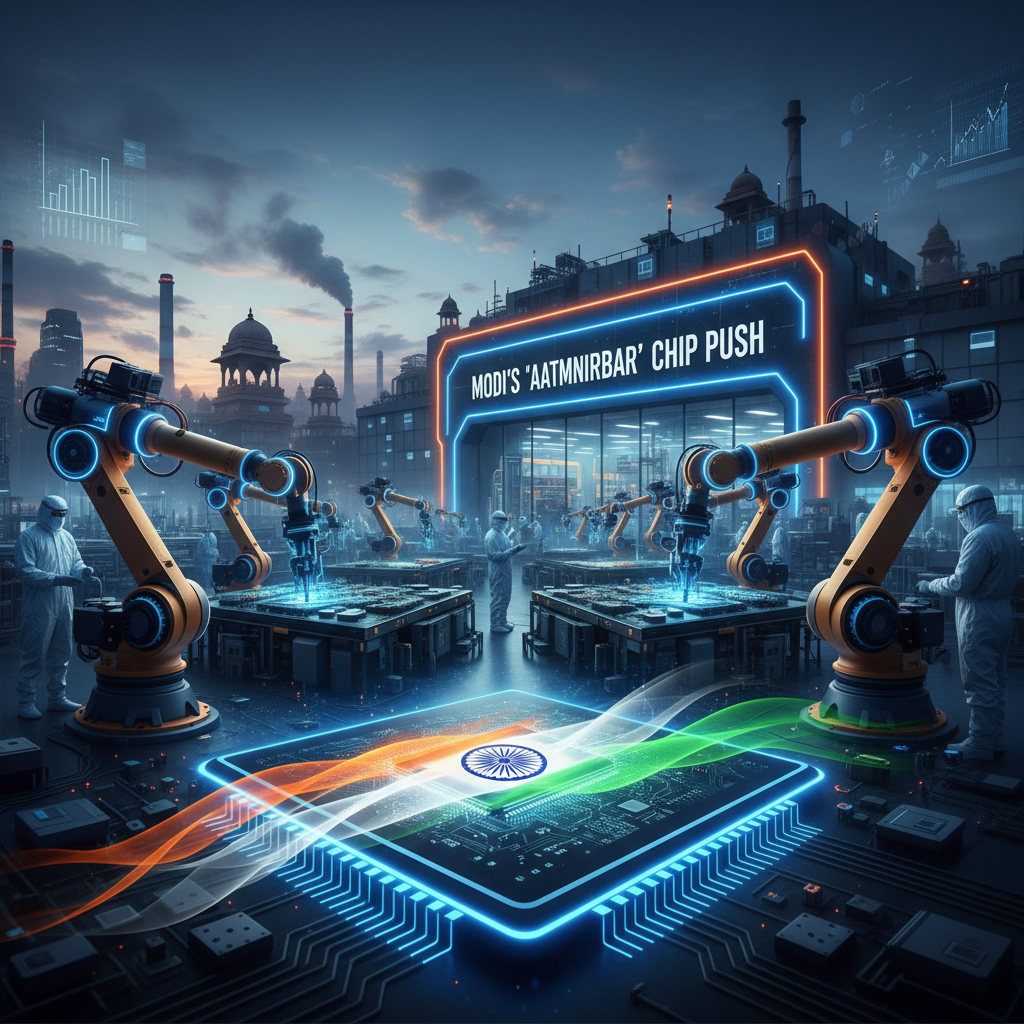
The air in the HCL-Foxconn groundbreaking ceremony buzzed with anticipation. Prime Minister Modi, addressing the gathering, declared India’s commitment to ‘aatmnirbhar’ – self-reliance – in chip manufacturing. His words echoed the government’s strategic vision: to reduce dependence on foreign nations for critical technologies, especially semiconductors.
But the path to ‘aatmnirbhar’ is paved with complexities. “India has the potential, but the execution is the challenge,” notes Anshul Gupta, Research Director at Gartner. “Building a robust semiconductor ecosystem requires not just manufacturing plants but also a skilled workforce, access to cutting-edge technology, and a supportive policy environment.”
The government’s push aligns with a global trend. Countries worldwide are recognizing the strategic importance of semiconductors, spurred by supply chain vulnerabilities exposed during the pandemic and geopolitical tensions. The US, for instance, has implemented policies like the CHIPS Act to bolster its domestic chip manufacturing capabilities. India is attempting to mirror these efforts.
The HCL-Foxconn project, a significant step, promises to bring advanced manufacturing capabilities to India. However, the project’s success hinges on overcoming significant hurdles. The global semiconductor industry is dominated by a few players, like TSMC and Samsung, who possess decades of experience and proprietary technologies. India’s nascent chip manufacturing sector must compete with these established giants.
One of the critical challenges is the availability of advanced technology. Chip manufacturing requires sophisticated equipment and materials, often controlled by a handful of companies. Moreover, the industry is incredibly capital-intensive. Building a cutting-edge fabrication plant, or ‘fab,’ can cost billions of dollars. This necessitates significant investment from both the government and private sector.
The government has introduced various incentive schemes to attract investment in the semiconductor sector. These include financial subsidies, tax breaks, and infrastructure support. The goal is to create a favorable environment for chip manufacturers and their suppliers.
The Indian government’s commitment to self-reliance in chip manufacturing is ambitious, requiring a multi-faceted strategy. It needs to not only attract foreign investment and technology but also foster domestic innovation and skill development. While the path is challenging, the potential rewards – a more resilient economy and a stronger position in the global technology landscape – are significant.
About the Author