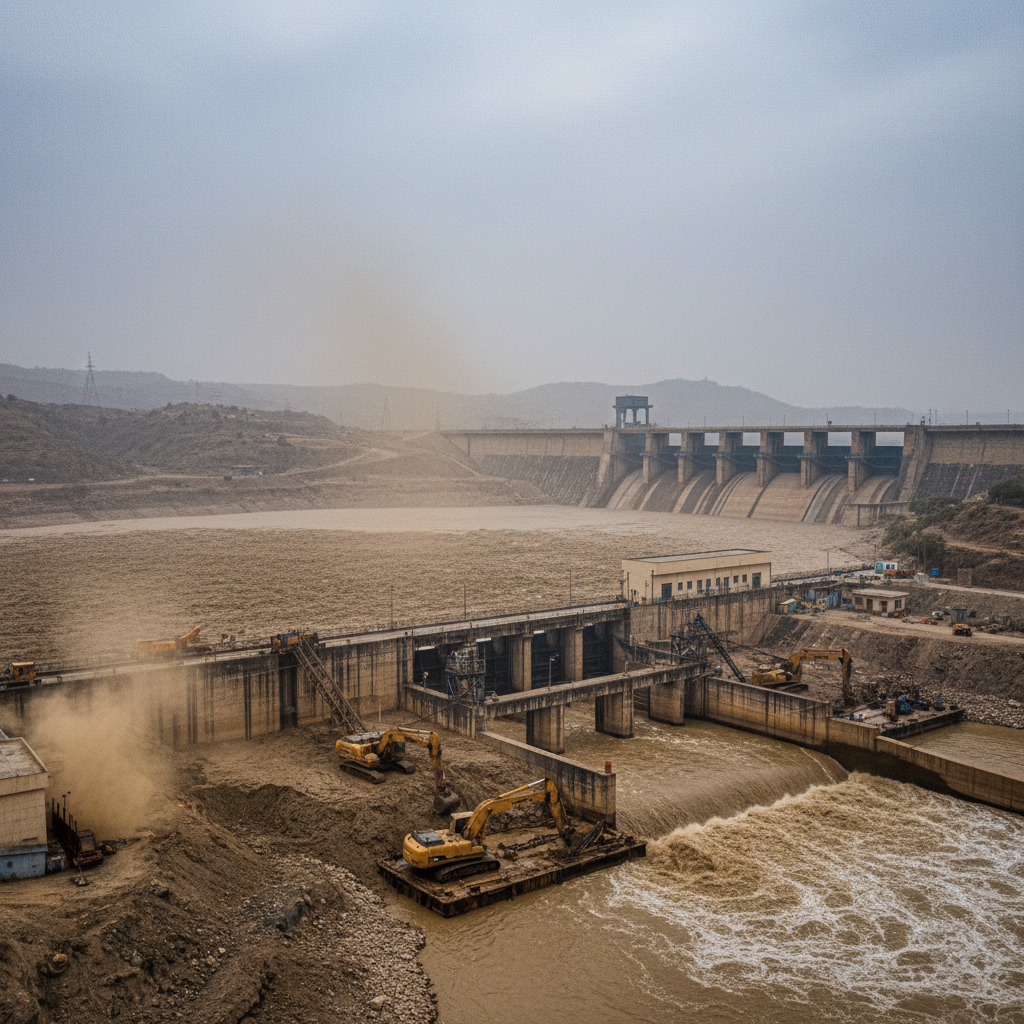
NHPC’s Salal Power Station Faces Crisis: Siltation Threatens Operations
The Salal power station, a critical component of India’s energy infrastructure, is grappling with a significant challenge: a drastic reduction in its reservoir’s storage capacity due to siltation. This issue, highlighted in a recent report by the Economic Times, has prompted the National Hydroelectric Power Corporation (NHPC) to enact a comprehensive plan to mitigate the problem and restore the station’s operational efficiency.
The Root of the Problem: Siltation and Its Impact
The core issue stems from the accumulation of sediment within the reservoir, a process that has been ongoing for decades. The report indicates a staggering 96% reduction in the reservoir’s storage capacity. This decline directly impacts the power station’s ability to generate electricity, potentially affecting the energy supply in the region. The article underscores the severity of the situation and the urgent need for intervention.
NHPC’s Three-Pronged Approach to Silt Management
Recognizing the gravity of the situation, NHPC has initiated a three-pronged silt management plan. This strategy encompasses several key methods designed to address the problem comprehensively. The plan includes:
- Dredging: This involves removing accumulated sediment from the reservoir bed, physically clearing the area to restore capacity.
- Flushing: This process involves releasing water to flush out accumulated silt, using the natural flow to clear the reservoir.
- Under-sluicing: This technique involves releasing water from the bottom of the dam to carry away the silt.
By employing these methods, NHPC aims to restore the reservoir’s original storage capacity and ensure the long-term operational viability of the Salal power station.
Historical Context and Strategic Implications
The article also references the Indus Waters Treaty, implying that the sediment management facilities were disabled due to the treaty. This historical context provides a deeper understanding of the challenges NHPC faces. The treaty’s stipulations might have limited the options available for managing siltation, underscoring the complexities of international agreements and their impact on infrastructure projects.
Restoring Operational Efficiency: The Goal
The primary goal of NHPC’s plan is to restore the operational efficiency and storage capacity of the Salal power station. The success of this endeavor is crucial not only for the power station itself but also for the energy security of the region. The initiative represents a proactive approach to address a critical infrastructure challenge and maintain the reliable supply of electricity.
Conclusion
The situation at the Salal power station serves as a stark reminder of the challenges faced by hydroelectric projects. NHPC’s proactive measures to combat siltation demonstrate a commitment to maintaining operational integrity. The success of the three-pronged plan will be vital in ensuring the long-term viability of the station and maintaining a stable energy supply. It highlights the importance of continuous maintenance and adaptive strategies in the face of environmental challenges. The measures being taken by NHPC are essential to tackle the problem and ensure the power station’s continued contribution to the region’s energy needs.
Source: Industry-Economic Times
About the Author