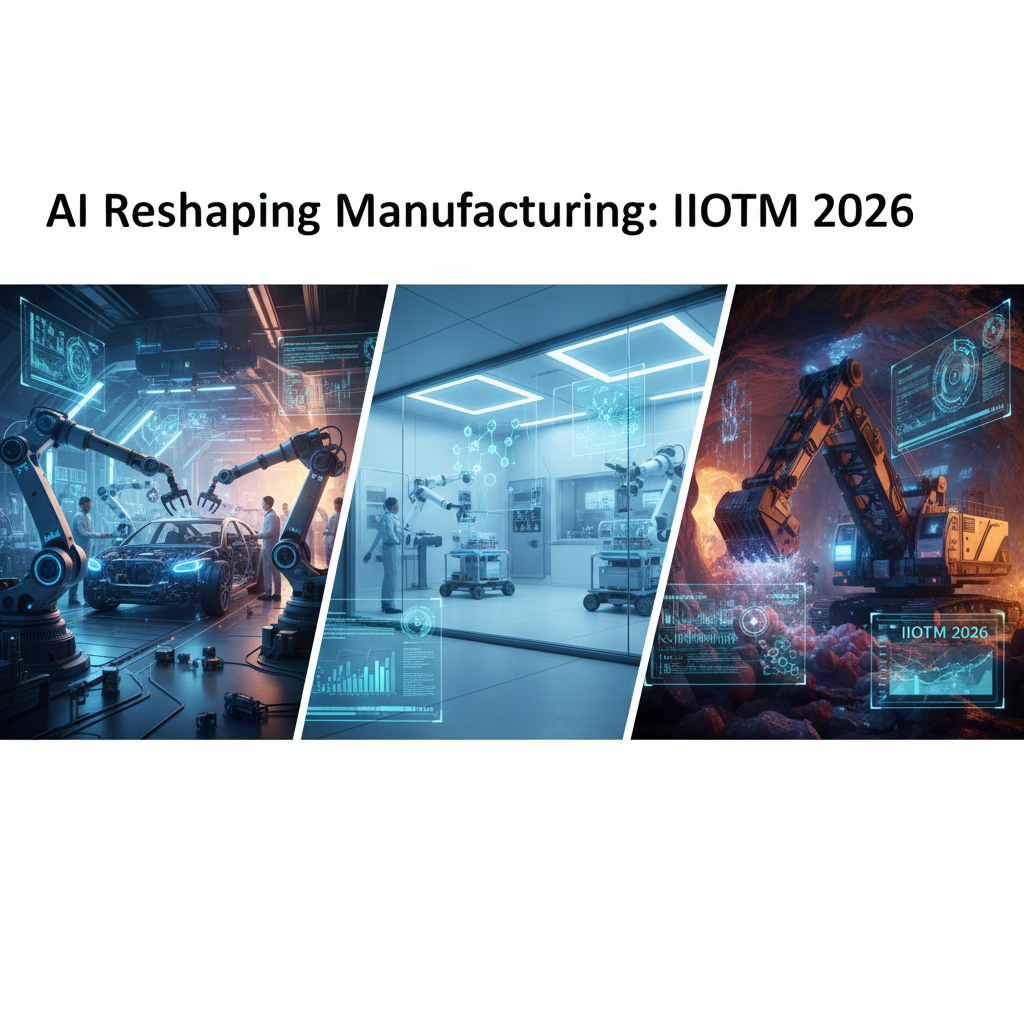
How AI is Rewriting the Rules of Modern Manufacturing: Insights from IIOTM 2026
The manufacturing landscape is undergoing a profound transformation, driven by the relentless advance of Artificial Intelligence (AI). This shift, as highlighted by discussions at the IIOTM 2026 conference, is not merely incremental; it’s a fundamental rewriting of the rules. Industry leaders from diverse sectors – including automotive, biopharma, and mining – are converging to unpack the practical implications of this AI-led revolution. The core focus? How smart, sustainable, and data-driven operations are transitioning from aspirational visions to tangible realities.
The Dawn of Smart Manufacturing
At the heart of this transformation is the concept of smart manufacturing. This involves integrating AI and machine learning into every aspect of the production process, from design and planning to execution and maintenance. The ‘how’ of this transition involves leveraging AI to optimize processes, predict equipment failures, and personalize products to meet evolving consumer demands. This approach is redefining productivity metrics, enabling manufacturers to achieve higher output with reduced waste and resource consumption. The ‘why’ behind this shift is clear: to enhance industrial competitiveness in a rapidly evolving global market.
Sustainability and Data-Driven Operations: The New Imperatives
Beyond smart manufacturing, the IIOTM 2026 discussions underscore the growing importance of sustainability and data-driven operations. These are no longer simply ‘nice-to-haves’; they are now fundamental imperatives for success. AI plays a crucial role here, enabling manufacturers to monitor and minimize their environmental footprint. Data analytics, powered by AI, provides actionable insights into energy consumption, waste generation, and supply chain efficiency. This allows for the development of more sustainable practices. The integration of data-driven strategies allows for quicker decision-making, greater flexibility, and the ability to respond effectively to market changes.
Automotive Sector
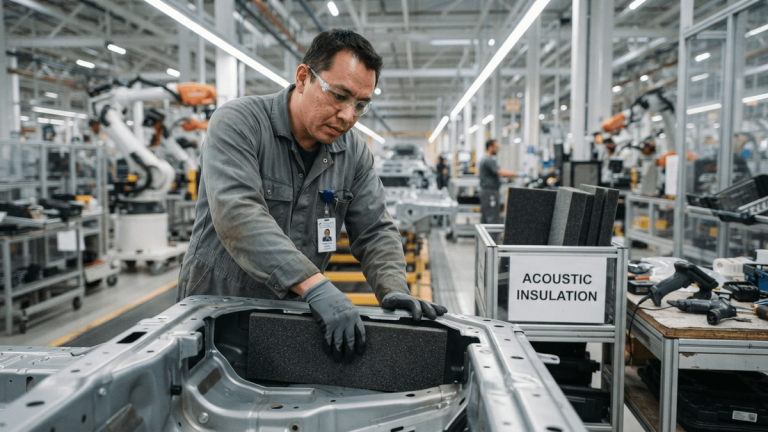
In the automotive sector, AI is being deployed to optimize production lines, improve quality control, and accelerate the development of electric and autonomous vehicles. This includes using AI-powered robots for precision assembly, predictive maintenance to minimize downtime, and data analytics to understand consumer preferences and tailor products accordingly. The automotive industry is embracing AI to meet the challenges of electrification, connectivity, and evolving consumer demands.
Biopharma Sector
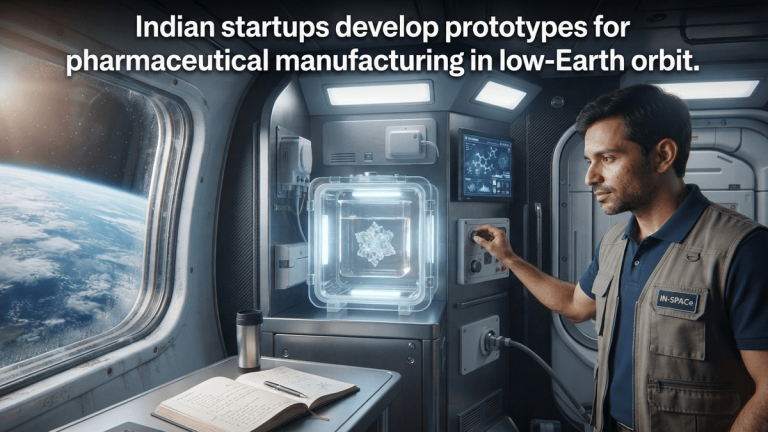
The biopharma industry is leveraging AI to accelerate drug discovery, optimize manufacturing processes, and improve supply chain management. AI algorithms analyze vast datasets to identify potential drug candidates, predict clinical trial outcomes, and streamline manufacturing processes. This speeds up the development of life-saving medications and enhances the efficiency of pharmaceutical operations. AI is helping the biopharma industry to enhance precision and compliance.
Mining Sector
The mining sector is utilizing AI to enhance safety, improve operational efficiency, and reduce environmental impact. This involves the use of autonomous vehicles for mining operations, predictive maintenance for equipment, and data analytics to optimize resource extraction. AI-driven solutions are helping mining companies to operate more efficiently, safely, and sustainably, which is critical in an industry facing increasing regulatory and environmental scrutiny.
Redefining Leadership Priorities
The transition to AI-driven manufacturing also necessitates a shift in leadership priorities. Industry leaders must now focus on fostering a culture of innovation, investing in employee training, and building robust data infrastructure. This involves developing new skill sets within the workforce, from data scientists and AI specialists to technicians capable of maintaining and repairing advanced machinery. The ‘how’ here is to create a dynamic, adaptable workforce ready to embrace the opportunities of the AI era.
The Future of Industrial Competitiveness
The discussions at IIOTM 2026 make it clear: AI is not just changing how things are made; it’s changing the very definition of industrial competitiveness. Companies that embrace smart, sustainable, and data-driven operations will be best positioned to thrive in the years to come. The ‘why’ behind the adoption of these technologies is to secure a competitive edge and build resilience in the face of global challenges. The future of manufacturing is here, and it’s being shaped by AI.
About the Author