Seaplanes in India: Policy Challenges and the Quest for Takeoff
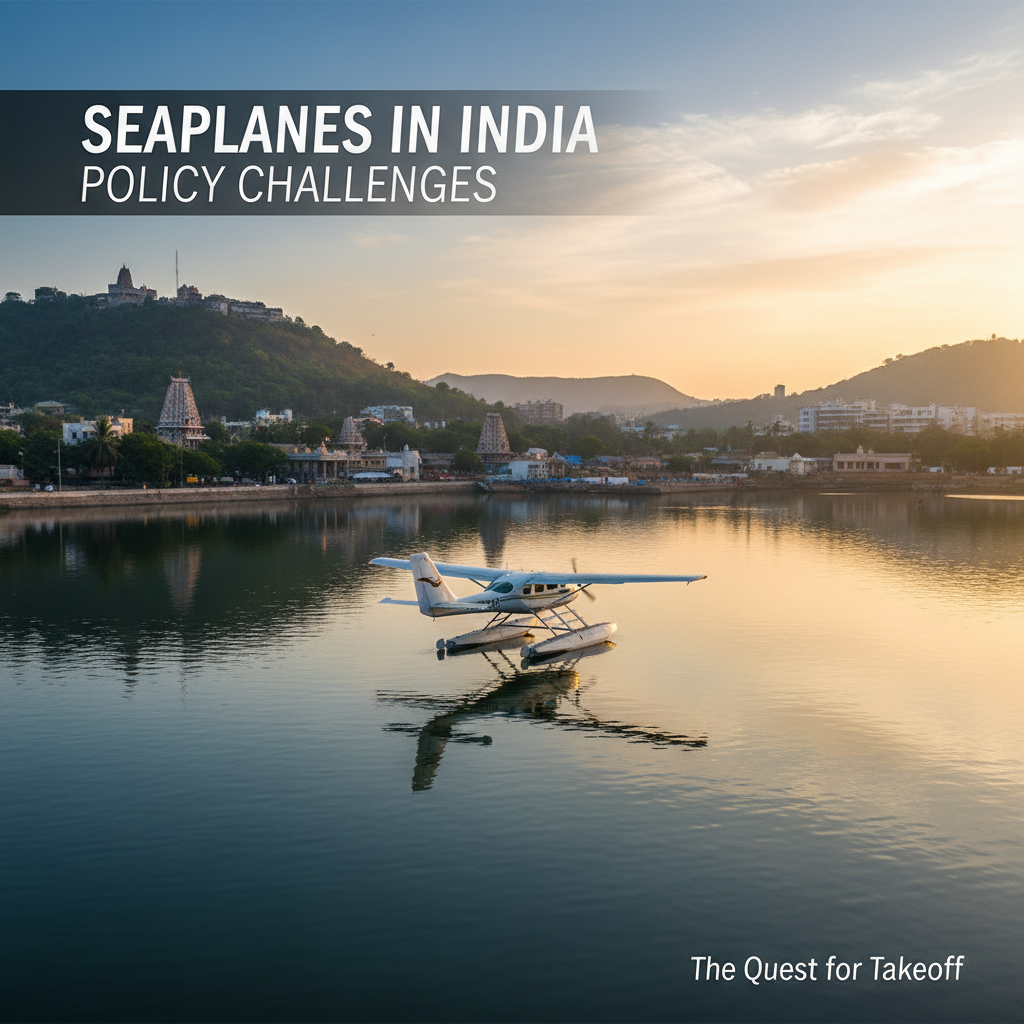
The allure of seaplanes, with their promise of connecting remote areas and offering unique travel experiences, has long captivated aviation enthusiasts and policymakers alike. However, in India, this ambition has repeatedly stalled, leaving a trail of unfulfilled potential. Despite early enthusiasm and investment, the dream of widespread seaplane operations has yet to materialize. This article delves into the persistent challenges that have plagued the sector, examining the policy landscape, the history of failed attempts, and the hurdles that must be overcome to finally achieve a successful water landing for seaplanes in India.
A History of False Starts
The Indian government’s interest in seaplanes dates back to 2010, when Pawan Hans launched its Jal Hans service. This marked the beginning of India’s seaplane aspirations. The initial excitement was palpable, with the potential to open up new routes and connect areas inaccessible by traditional aviation. Unfortunately, the reality proved far more complicated. The Jal Hans service was short-lived, and the broader vision for seaplanes quickly encountered significant obstacles.
Several projects and trials have been initiated since 2010, but none have resulted in sustained, operational routes. This lack of success can be attributed to a confluence of factors, including regulatory hurdles, infrastructure limitations, and economic challenges. The absence of currently operational routes underscores the magnitude of the obstacles that remain.
Policy and Regulatory Hurdles
One of the primary impediments to the growth of the seaplane sector has been the complex policy and regulatory environment. Establishing a viable seaplane operation requires navigating a web of approvals from various government agencies, including those responsible for aviation, maritime affairs, and environmental protection. The process is often lengthy, costly, and fraught with bureaucratic red tape. Furthermore, the lack of a dedicated regulatory framework specifically tailored to seaplanes has created ambiguity and uncertainty for potential operators.
The absence of standardized procedures for water landings and takeoffs, as well as the lack of adequate infrastructure, such as dedicated seaplane bases and maintenance facilities, has further complicated matters. These infrastructure gaps increase operational costs and reduce the commercial viability of seaplane services. Addressing these policy and regulatory gaps is critical to fostering a more conducive environment for the sector.
Economic and Operational Challenges
Beyond policy and regulation, economic and operational challenges have also hindered the growth of seaplanes in India. The high initial investment costs associated with purchasing and maintaining seaplanes, coupled with the relatively limited passenger capacity of these aircraft, has made it difficult for operators to achieve profitability. Moreover, the operational constraints imposed by weather conditions and water body availability further limit the potential for revenue generation.
The success of seaplane operations is heavily reliant on the availability of suitable water bodies for landing and takeoff. Many potential locations in India face challenges such as seasonal variations in water levels, the presence of obstacles, and environmental concerns. These limitations restrict the number of viable routes and increase the complexity of operations.
The Path Forward
Reviving India’s seaplane ambitions will require a concerted effort from both the government and private sector. Policymakers must streamline the regulatory process, create a dedicated framework for seaplane operations, and invest in infrastructure development. Furthermore, incentives and support mechanisms can be put in place to encourage private investment and innovation in the sector.
Operators, in turn, must develop sustainable business models that address the economic and operational challenges. This includes exploring partnerships, optimizing routes, and leveraging technology to improve efficiency and safety. Collaboration between government agencies, private operators, and local communities is essential to overcome the existing hurdles and unlock the full potential of seaplanes in India. The goal is to transform the vision of seaplanes from a series of trials and takeoffs into a reality, offering new routes and connectivity across the country.
Conclusion
The journey of seaplanes in India has been marked by disappointment and unfulfilled potential. The initial enthusiasm of 2010, with Pawan Hans’ Jal Hans service, has faded due to a series of setbacks. The lack of operational routes reflects the complex interplay of policy, economic, and operational challenges. However, the ongoing interest in seaplanes suggests that the vision is not entirely lost. By addressing the existing hurdles through policy reforms, infrastructure investments, and innovative business models, India can still realize the dream of a thriving seaplane sector. Only then will seaplanes finally be able to make a successful water landing and contribute to the growth of India’s transportation landscape.
About the Author