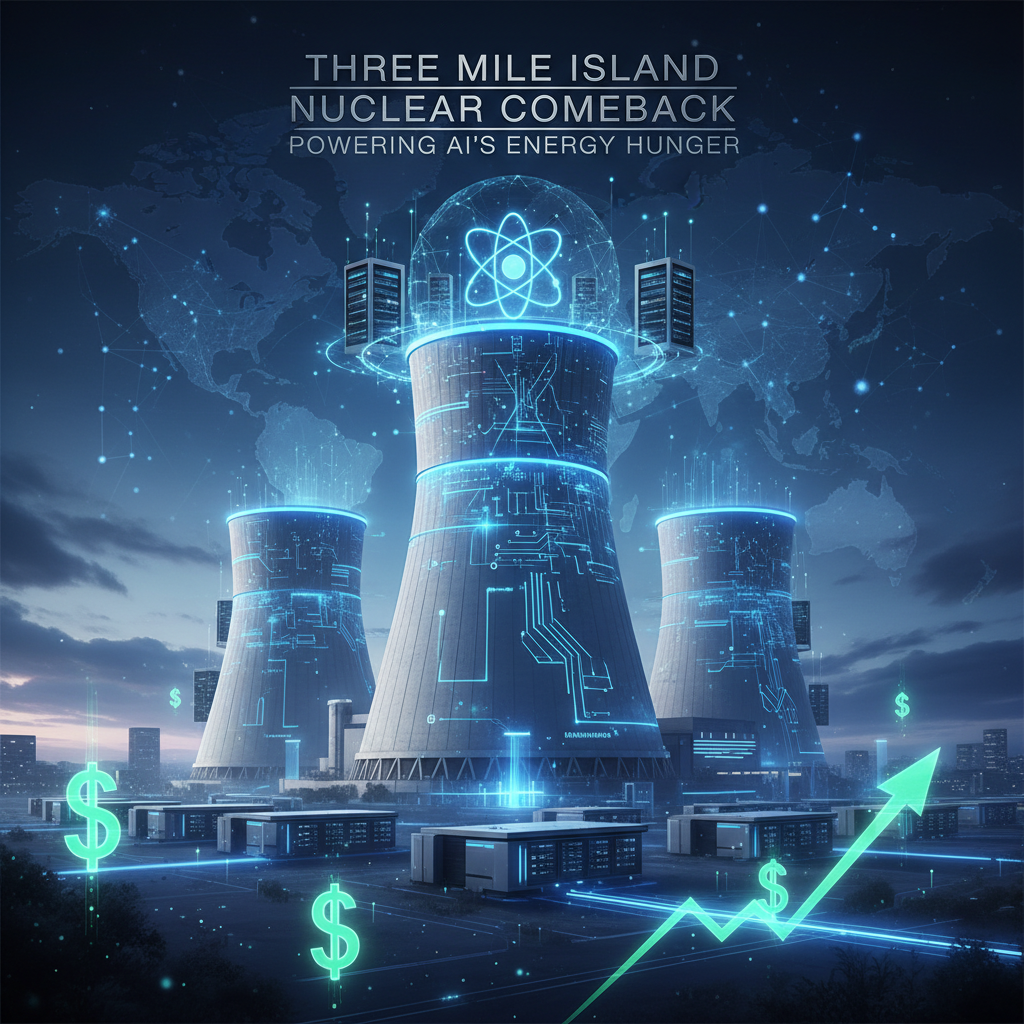
The hum of servers fills the air, a constant thrum in the data center outside of Harrisburg, Pennsylvania. Engineers huddle around monitors, tracking power consumption. The numbers are staggering, climbing with each new AI model deployed. It’s a scene playing out across America, as Microsoft’s recent power deal with the Three Mile Island nuclear plant underscores a critical shift: the grid must be ready for peak demand.
The Department of Energy’s recent statements echo the urgency. The nation’s energy secretary, and others, are clear: America’s grid, already strained, needs upgrades to handle the massive electricity appetite of artificial intelligence and cloud computing. This isn’t just about more power; it’s about reliable, always-on power. Nuclear, once a pariah, is now a key part of the solution, especially with the promise of advanced reactors on the horizon.
“We are seeing unprecedented demand,” says energy analyst Sarah Jones of Deutsche Bank. “AI is a game changer, and the energy sector is scrambling to keep up.” Jones notes that initial projections for AI-driven power consumption were conservative, and now, it’s clear demand is surging beyond the most optimistic forecasts.
The deal at Three Mile Island, though not without its critics and reminders of the past, is a bellwether. Nuclear offers a consistent, carbon-free energy source, critical for the massive energy requirements of AI. The old plant, once a symbol of nuclear energy’s challenges, is now part of the solution.
The transition isn’t simple. Upgrading the grid takes time and money. There are supply chain constraints, with transformers and other key components in short supply. Then there are the regulatory hurdles, which vary state by state. But the pressure is on. The growth of AI, from LLM training to inference, is relentless. The energy sector has to adapt, and fast.
The situation also highlights the interplay of technology and policy. The U.S. government is actively promoting domestic procurement and pushing for faster permitting of new energy projects. Meanwhile, companies like Microsoft are making strategic bets, securing long-term power deals to ensure their AI initiatives have the energy they need.
This push for power has implications far beyond the data centers. It’s about national competitiveness. It’s about ensuring the U.S. remains at the forefront of AI innovation, and that means securing a reliable and sustainable energy future. It also means that the grid has to be ready for peak demand.
The future, it seems, is electric. Or maybe that’s how the supply shock reads from here.
About the Author