Texmaco & Rail Vikas Nigam Forge JV to Elevate Rail Manufacturing
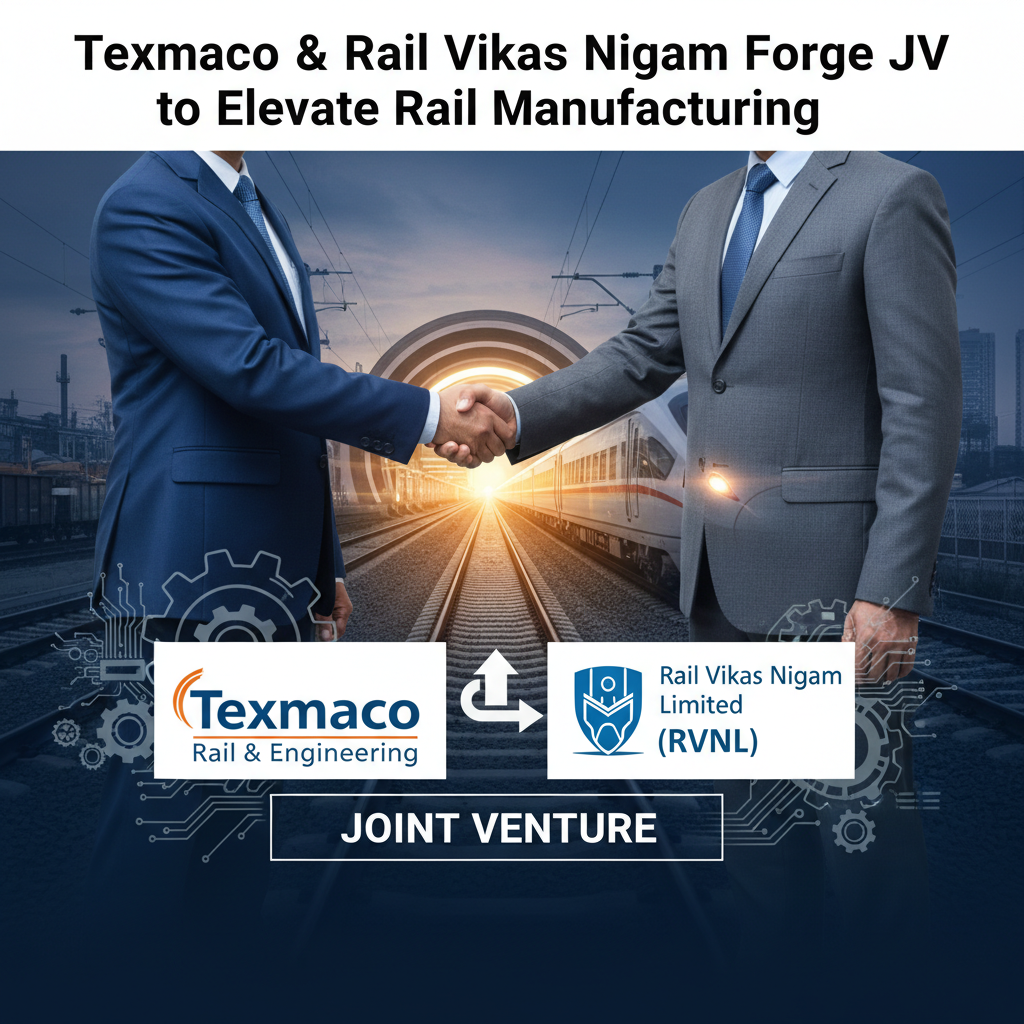
In a move poised to significantly impact India’s rail sector, Texmaco Rail and Engineering Limited and Rail Vikas Nigam Limited have announced a strategic joint venture (JV). This collaboration signifies a concerted effort to enhance the nation’s rail manufacturing capabilities, targeting both domestic and international markets. The partnership, as reported by the Economic Times, is set to focus on the development of advanced rolling stock and infrastructure projects, underscoring a commitment to innovation and growth in the industry.
Strategic Goals and Objectives
The primary objective of the Texmaco and Rail Vikas Nigam JV is to bolster India’s rail manufacturing prowess. This initiative directly addresses the growing demand for modern rail infrastructure and rolling stock, aligning with the country’s broader infrastructure development goals. The partnership aims to leverage the combined expertise and resources of both entities to achieve these objectives.
Focus on Advanced Rolling Stock and Infrastructure
A key area of focus for the joint venture will be the production of advanced rolling stock. This includes the design, manufacturing, and maintenance of various types of railway vehicles, catering to the evolving needs of the Indian Railways. Furthermore, the JV will undertake infrastructure projects, which are essential for expanding and modernizing the rail network.
Global Expansion: Targeting Asia, Africa, and the Middle East
Beyond the domestic market, the JV has ambitious plans for global expansion. The partnership intends to explore opportunities in key regions, including Asia, Africa, and the Middle East. These regions present significant potential for rail infrastructure development, creating a favorable environment for the JV’s products and services. This strategic move highlights the JV’s vision to become a major player in the international rail market.
The Significance of the Joint Venture
The formation of this joint venture is a significant development for several reasons. Firstly, it brings together two major players in the rail industry, combining their strengths to create a more competitive entity. Secondly, it signals a commitment to technological advancement and innovation in rail manufacturing. Lastly, the JV’s focus on international markets positions India as a key exporter of rail-related products and services.
Conclusion
The Texmaco Rail and Rail Vikas Nigam joint venture represents a pivotal step in strengthening India’s rail manufacturing sector. By focusing on advanced rolling stock, infrastructure projects, and global expansion, the JV is well-positioned to contribute to the growth of both the domestic and international rail markets. This strategic partnership underscores the importance of collaboration and innovation in driving progress within the capital goods sector.
Source: Economic Times
About the Author