India’s Push for Rare Earth Magnets: Boosting Domestic Production by 2026
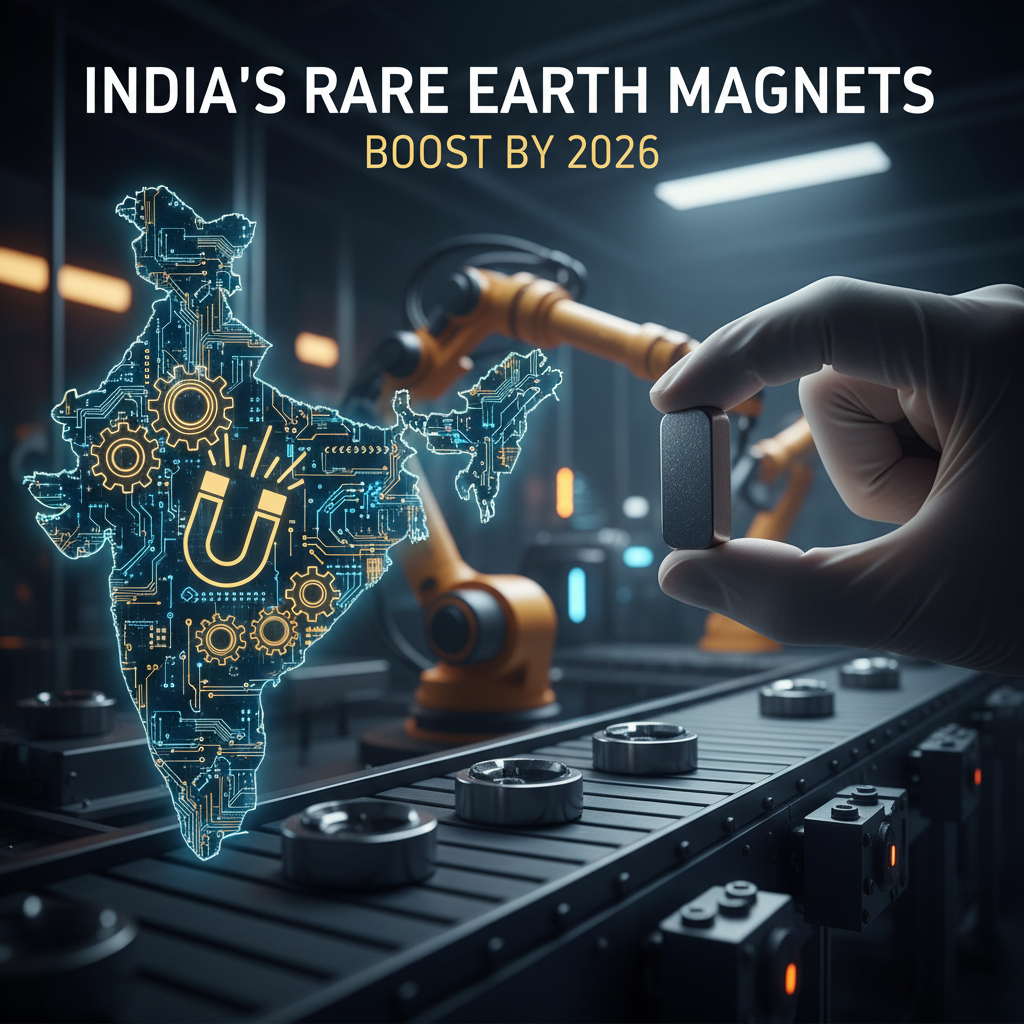
India is charting a course toward self-reliance in the critical domain of rare-earth permanent magnets. Mining Minister G. Kishan Reddy recently announced plans to kickstart domestic production by the close of 2026. This strategic move, backed by a significant government investment, aims to lessen India’s reliance on imports and fortify its electronics manufacturing sector.
A Strategic Initiative for Self-Reliance
The Indian government, under the leadership of G. Kishan Reddy, approved a substantial ₹73 billion ($802 million) program in November. This financial backing underscores the nation’s commitment to mastering the production of rare-earth permanent magnets, which are essential components in various electronic devices, electric vehicles, and renewable energy systems. This initiative is a clear signal of India’s dedication to strengthening its domestic manufacturing capabilities and reducing its dependence on foreign suppliers.
Key Components of the Program
The program’s ambitious goals are centered around establishing a robust domestic supply chain. The plan includes the setup of four mineral-processing plants across different states in India. This strategic distribution is designed to ensure efficient resource utilization and bolster regional economic growth. The initiative will be executed in partnership with private firms, fostering a collaborative approach that blends government support with private sector expertise. This partnership model is expected to accelerate the technology transfer and the scaling up of production capacities.
Why This Matters
The decision to focus on rare-earth permanent magnet production is driven by a critical need to reduce import dependency. Currently, a significant portion of these magnets is sourced from abroad, making India vulnerable to supply chain disruptions and price fluctuations. By manufacturing these vital components domestically, India can secure its access to essential materials, enhance its strategic autonomy, and stimulate growth in its electronics manufacturing and related sectors.
The Road Ahead
The path to domestic production by the end of 2026 is ambitious, but the government, led by G. Kishan Reddy, is determined to meet this target. The success of this initiative will hinge on effective collaboration between the government and private firms, efficient deployment of resources, and the successful establishment of the mineral-processing plants. As India moves forward, this venture represents a significant step towards a more self-reliant and technologically advanced nation.
Source: Industry-Economic Times
About the Author