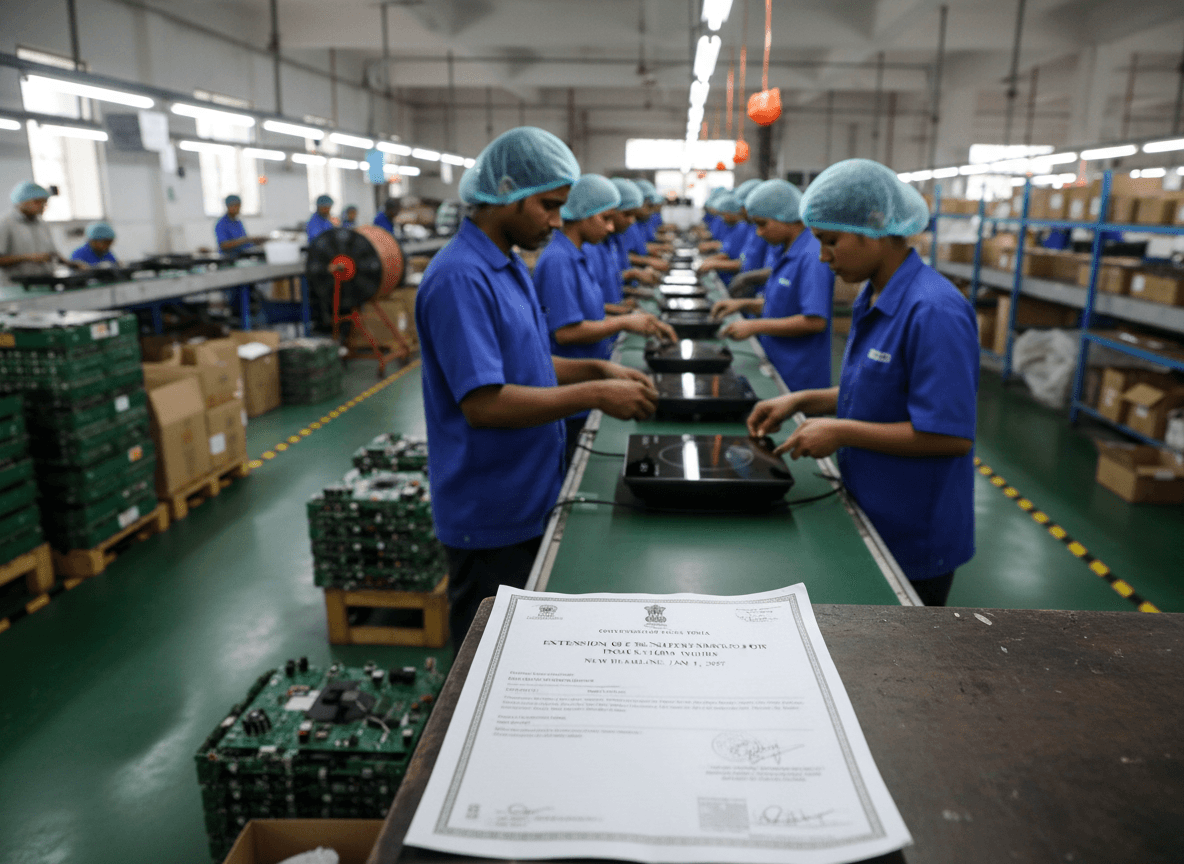
Indian workers assemble induction hobs as a government policy document rests in the foreground.
The Indian government has extended the deadline for stricter energy efficiency standards for counter-top induction hobs to January 1, 2027. This extension aims to promote the adoption of electric cooking solutions in India, according to a report in the Economictimes.indiatimes.com.
The decision is particularly significant given the current geopolitical climate. The ongoing crisis in West Asia has raised concerns about the stability of LPG (liquefied petroleum gas) supplies, making alternative cooking methods more critical. Induction hobs are considered more energy-efficient compared to other types of electric hobs, aligning with India’s broader energy conservation goals.
This policy adjustment reflects a strategic move to encourage a shift towards more sustainable and secure energy sources for household cooking. By relaxing the immediate pressure of stringent efficiency norms, the government intends to facilitate a smoother transition for manufacturers and consumers alike.
The extension provides manufacturers additional time to adapt their production processes and technologies to meet the required efficiency standards, while also allowing consumers more time to consider and adopt induction cooking as a viable alternative. This move is expected to support the growth of the electric cooking sector in India and reduce reliance on traditional fuel sources.
About the Author