Trump's policy shift on Strait of Hormuz security.
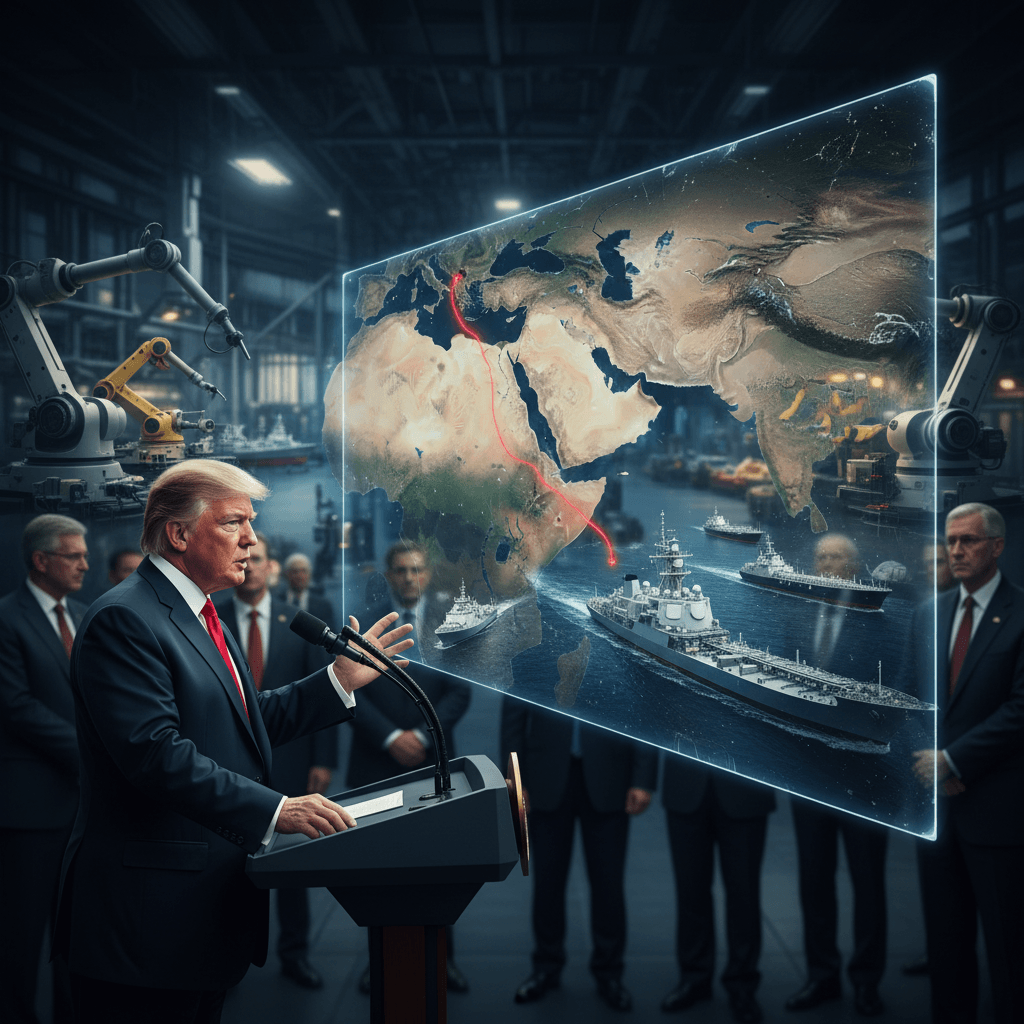
President Trump’s recent statement that the U.S. will not take responsibility for securing the Strait of Hormuz has implications for investment strategies in the Middle East, particularly in the energy sector. Trump indicated that countries relying on the waterway should assume the security role, estimating potential U.S. military action against Iran could conclude within weeks.
The Strait of Hormuz is a critical chokepoint for global oil supplies, and any instability directly affects energy markets and investment decisions. Trump’s stance shifts the onus to allies, potentially altering defense spending and security cooperation agreements. This shift may lead to increased regional defense investments by countries heavily reliant on Hormuz for oil transport.
Trump also criticized allies for insufficient support, signaling a potential realignment of defense partnerships and funding commitments. Private equity and venture capital firms with investments in Middle Eastern infrastructure and energy projects should closely monitor these developments, as security risks can directly impact project viability and returns. The shift in U.S. policy may necessitate reassessment of risk profiles and contingency planning for investments in the region.
Institutional investors should also watch for potential impacts on sovereign credit ratings and political risk assessments, which could influence capital allocation decisions. This policy change could spur new opportunities in defense technology and security solutions tailored for the region, attracting venture capital seeking high-growth potential.
About the Author