Indian kitchens adapt with electric appliances amidst LPG supply issues.
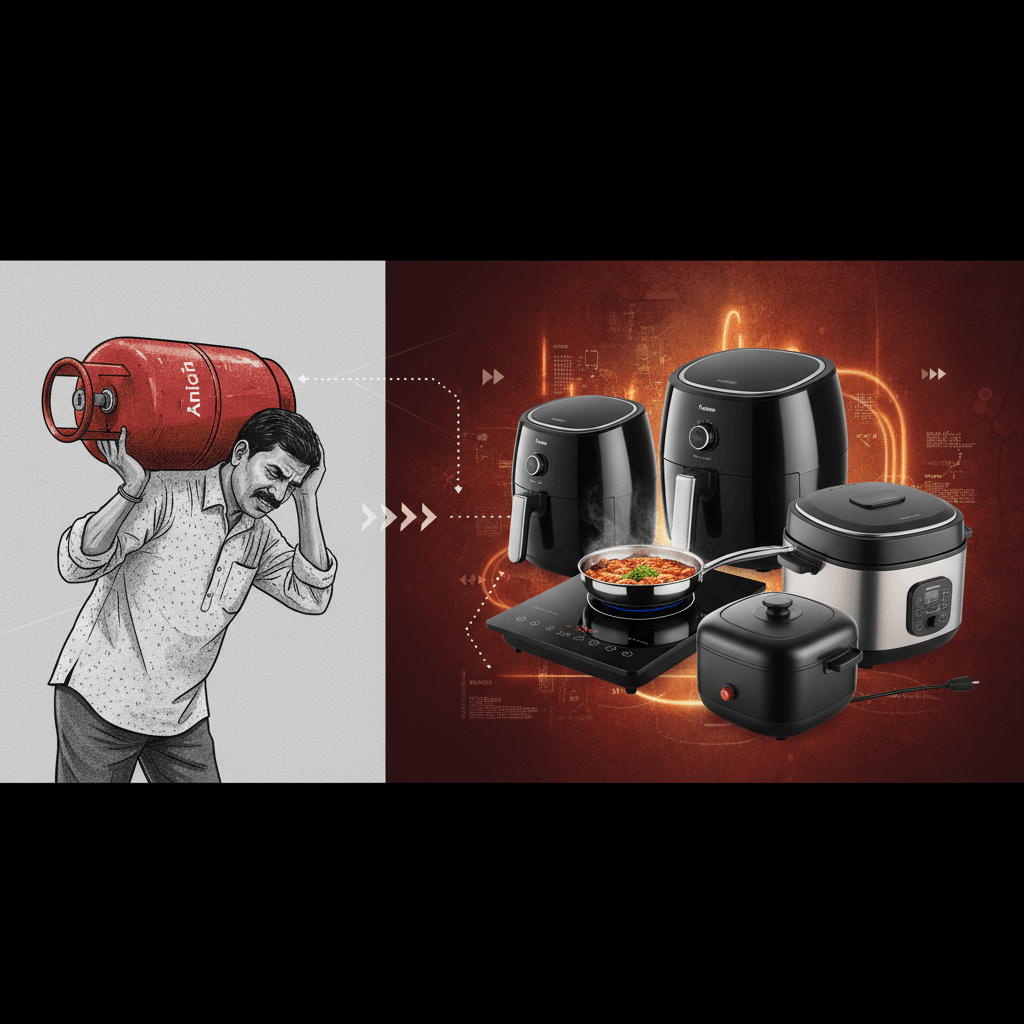
India’s kitchens are experiencing a significant shift as LPG supply disruptions push consumers towards electric cooking appliances, benefiting kitchen tech startups. The LPG cylinder, long a staple in Indian households, is facing challenges that are prompting consumers to explore alternatives.
According to Inc42, this shift is not merely a temporary spike in appliance sales but a transition from gas-dependent kitchens to electricity-powered cooking ecosystems. Households are hedging their bets by turning to electric cooking appliances, particularly induction cooktops.
Retail data from Croma, a Tata-owned electronics chain, indicates a surge in demand for electric cooking appliances. Shibashish Roy, CEO and MD of Croma, noted that sales have increased dramatically, with induction cooktop sales surpassing previous monthly figures in a single day.
Amazon has also reported an 18-fold increase in induction cooktop sales over the past few weeks, highlighting the rapid scaling of consumer demand. This transition, typically a years-long process, is unfolding within weeks, driven by the need for reliability in uncertain times.
Beyond induction cooktops, the broader kitchen tech ecosystem, including smart appliances and AI-driven cooking solutions, is also experiencing a surge. Croma reports tripled rice cooker sales and sustained demand for air fryers, indicating a reconfiguration of kitchens around convenience and efficiency.
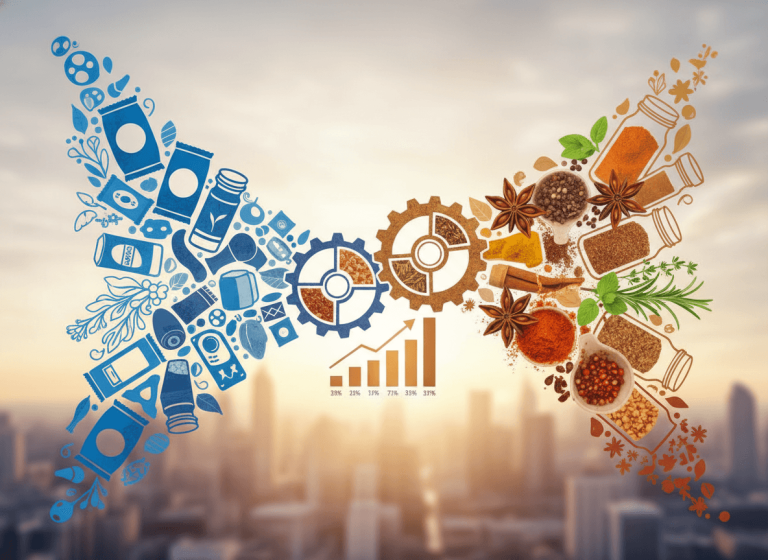
Amazon has seen over 15% growth in categories such as instant noodles, packaged meals, snacks, and beverages. Demand for ready-to-eat and packaged food on quick commerce platforms has increased by around 20% month-on-month, particularly in urban clusters like Delhi NCR, Mumbai, and Bengaluru.
Rakesh Patil, founder of Beyond Appliances, noted that electric cooking is fundamentally more efficient, but adoption has been delayed due to consumer habits. The current LPG situation is forcing this adoption, unlocking a different cooking experience that is faster and more controlled.
The demand is not limited to metros, with growth spanning cities like Hyderabad, Kolkata, and Chennai, as well as tier II and III markets such as Sonipat and Panaji.
However, supply chains are under pressure to keep up with the surging demand. Croma has strengthened its supply chain by placing larger orders, but scaling supply is challenging due to longer production and distribution cycles. Many electric cooking appliances depend on imported components, adding complexity in the current volatile global supply environment.
Patil emphasized that appliance makers face the test of sustaining availability without compromising on quality or pricing. Distribution is also a challenge, with demand coming from consumers who want immediate access.
Amazon has curated a dedicated “Ready-to-Eat Store” and is leveraging its AI-powered assistant, Rufus, to help customers discover relevant products more efficiently.
While India is unlikely to move away from LPG entirely, this crisis may accelerate the emergence of a hybrid kitchen model, where electric appliances coexist with gas. Electric cooking appliances offer advantages in terms of efficiency, speed, and control, making them a default option for quick meals and low-effort cooking.
Challenges remain, including electricity reliability and cost perceptions. However, the LPG crunch has forced millions of consumers to try alternatives, potentially leading to long-term adoption.
About the Author