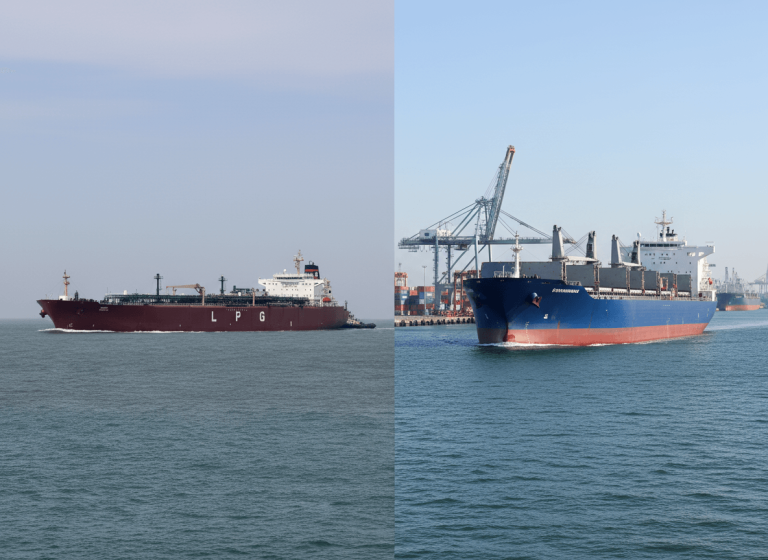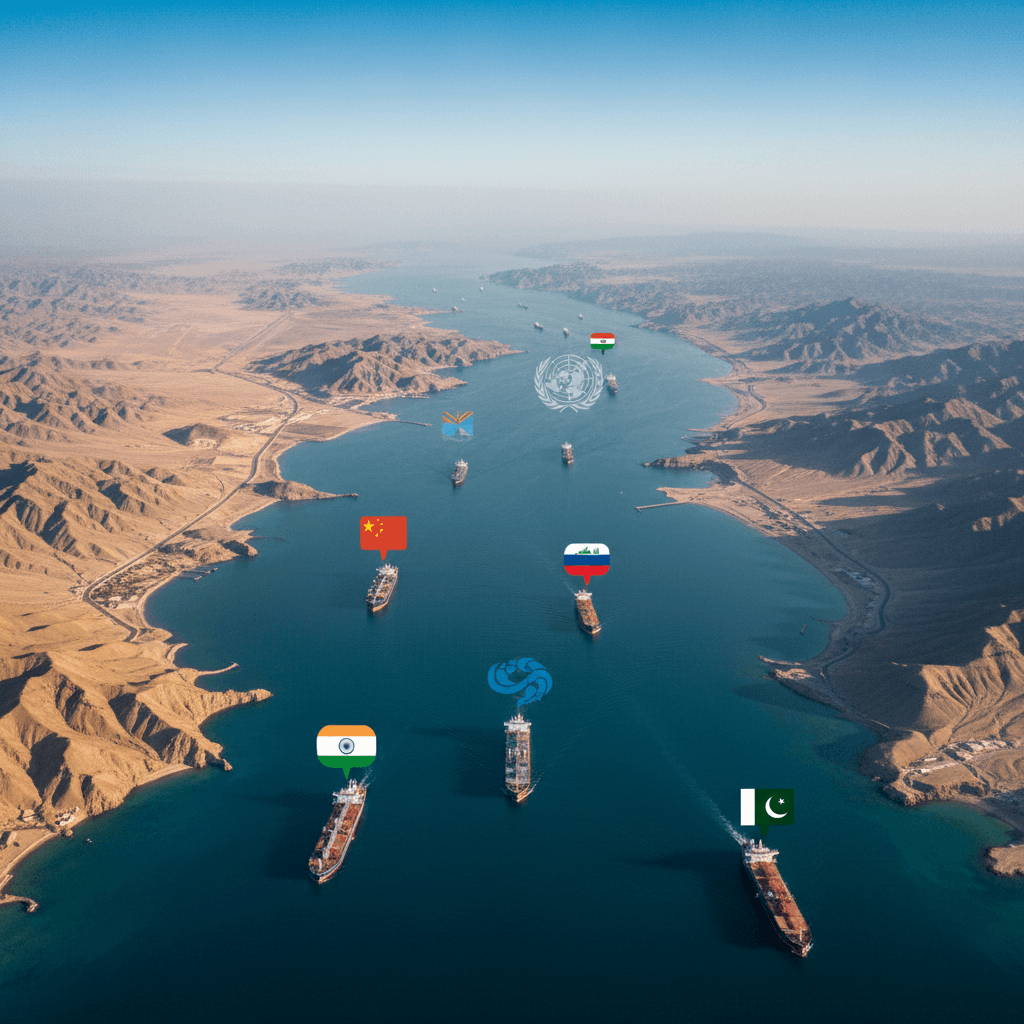
Ships navigating the Strait of Hormuz, symbolizing global energy trade.
Iran has opened the Strait of Hormuz to vessels from friendly nations including India, China, Russia, Iraq, and Pakistan, according to an announcement by the Iranian Foreign Ministry on Thursday. The decision follows calls from UN Secretary-General Antonio Guterres to reopen the strait, citing concerns over disruptions to oil, gas, and fertilizer supplies.
The Strait of Hormuz is a critical chokepoint for global energy supplies. Its prolonged closure, as highlighted by Guterres, could exacerbate economic and humanitarian challenges worldwide. The move by Iran aims to alleviate these concerns by ensuring continued passage for key trading partners.
This decision has strategic implications for India, which relies on the Strait of Hormuz for a significant portion of its energy imports. By ensuring the safe passage of vessels, Iran is positioning itself as a reliable partner in maintaining regional stability and supporting global energy security.
The opening of the strait could also influence investment dynamics in the region’s energy sector. With reduced risks of supply disruptions, investors may gain confidence in projects related to oil and gas infrastructure in the involved countries. This development could stimulate further deal activity and capital flows into the energy sectors of India, China, and other nations benefiting from the Hormuz route.
About the Author