Aviation accident impact on investment and insurance.
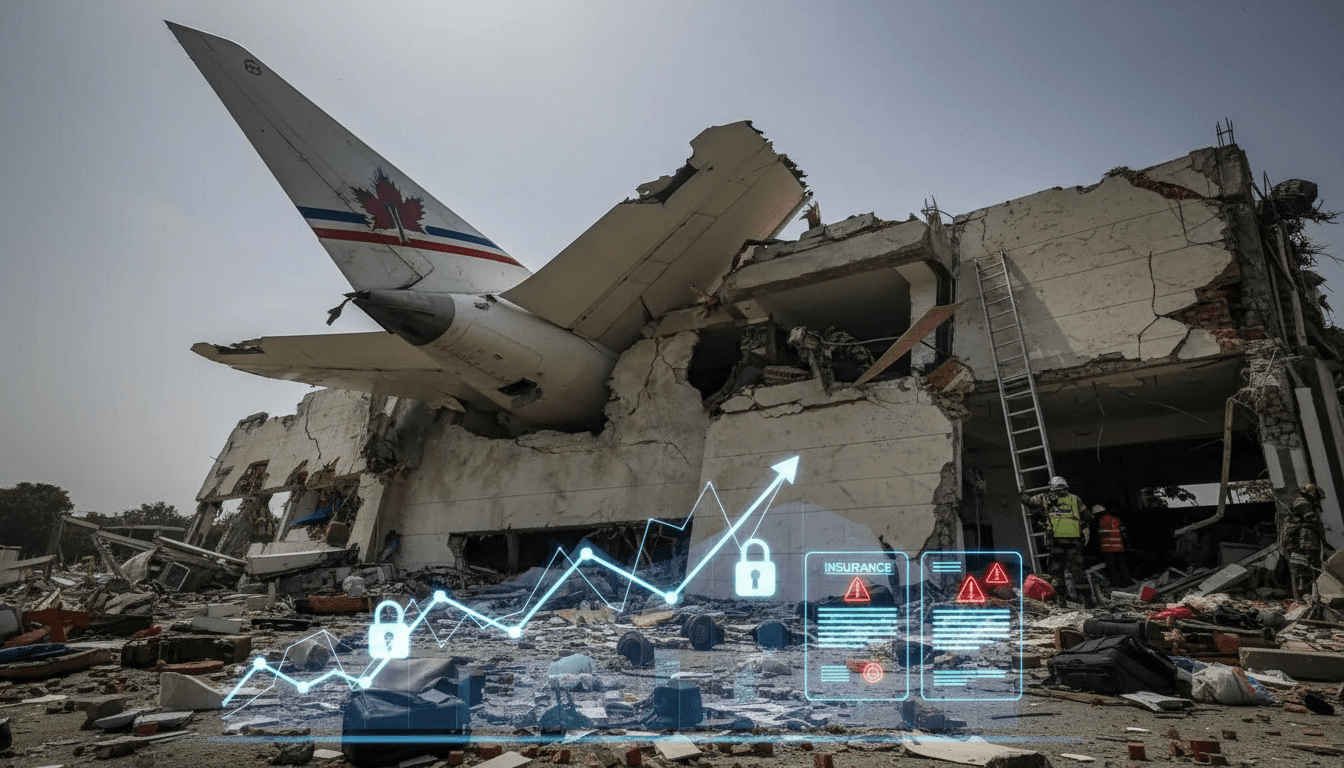
Recent aviation accidents, including a collision involving an Air Canada Express jet at LaGuardia, resulting in pilot fatalities, underscore the potential risks affecting the aerospace and aviation insurance sectors. These incidents, cited alongside an Air India crash and a mid-air collision near Washington D.C., can influence investor sentiment and insurance premiums.
From an investment perspective, increased scrutiny may be applied to aerospace companies, particularly those involved in manufacturing or operating aircraft. Investors are likely to assess safety protocols, maintenance records, and pilot training programs more rigorously. This heightened due diligence could lead to shifts in capital allocation within the sector, favoring companies with demonstrated commitments to safety and risk management.
The insurance industry also faces direct financial implications from these accidents. Claims related to aircraft damage, passenger injury, and third-party liability can significantly impact insurers’ profitability. Consequently, insurers may re-evaluate their risk models and adjust premiums for airlines and aerospace manufacturers, potentially increasing operational costs for these businesses. Furthermore, reinsurance rates could also rise, affecting the overall cost of insuring aviation-related risks.
The financial impact of aviation accidents extends beyond immediate losses. These events can erode public confidence in air travel, leading to decreased passenger numbers and reduced demand for air transportation services. This, in turn, can affect airline revenues and profitability, influencing investment decisions and potentially triggering restructuring or consolidation within the industry.
In summary, aviation accidents present multifaceted challenges for the aerospace investment and aviation insurance sectors. Heightened scrutiny, increased insurance costs, and potential shifts in investor sentiment are factors that stakeholders must consider when assessing the financial risks and opportunities within these industries.
About the Author