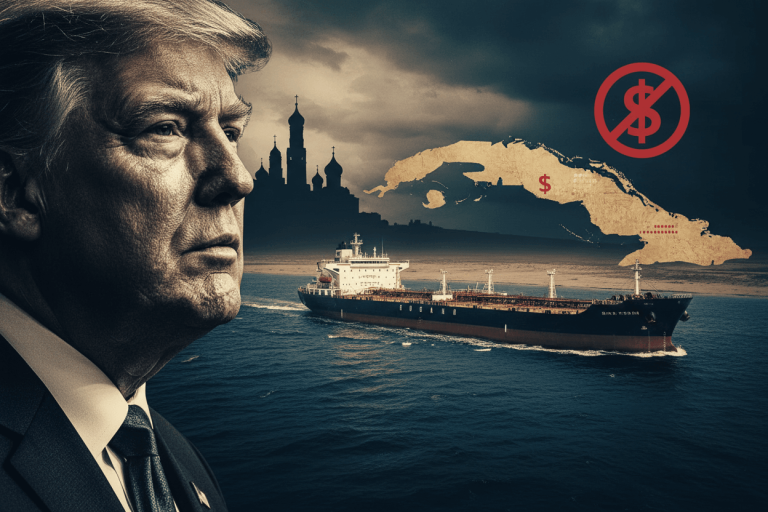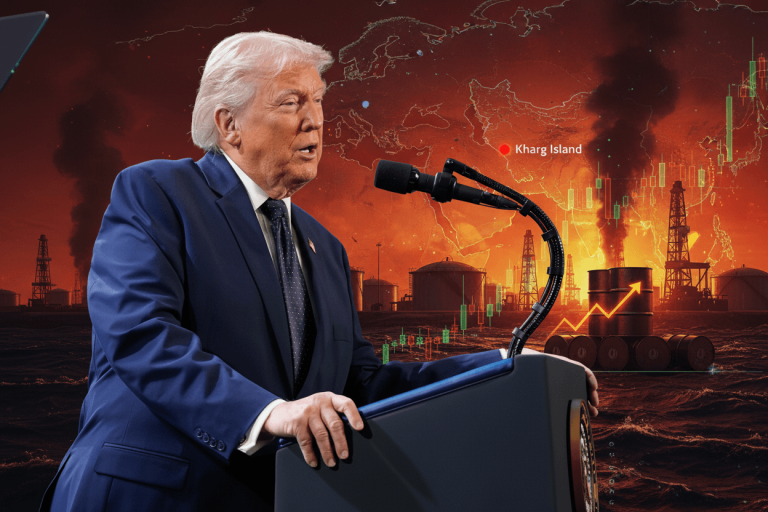
The ongoing conflict is sending shockwaves throughout the global landscape, redrawing the world’s fault lines in ways that extend far beyond the battlefield. From energy markets to international alliances and trade relations, the repercussions are being felt across multiple sectors and nations.
One of the most immediate impacts has been the disruption of energy supplies, leading to price volatility and concerns about energy security in many countries. This has forced governments and businesses to reassess their energy strategies and seek alternative sources, accelerating the transition towards renewable energy in some cases but also creating new geopolitical dependencies.
The conflict has also strained existing alliances, exposing divisions and testing the commitment of nations to collective security. The United States and its allies have rallied to support Ukraine, but differing views on the appropriate level of intervention and the long-term implications of the conflict have created tensions within the Western alliance.
Furthermore, the conflict has stalled crucial US-China talks, exacerbating existing trade and political tensions between the two superpowers. This has raised concerns about the potential for a new Cold War and the fragmentation of the global economy into competing blocs.
The long-term consequences of the conflict remain uncertain, but it is clear that the world is entering a new era of geopolitical instability and economic uncertainty. Businesses and investors must navigate this complex landscape with caution, reassessing their risk exposure and adapting their strategies to the changing global environment.
About the Author