Indian healthcare: MRI technology faces rising costs amid helium crunch.
India’s healthcare sector is bracing for increased financial strain as a global helium shortage, exacerbated by disruptions in West Asia, threatens the availability of MRI services. This scarcity is expected to drive up costs for both healthcare providers and patients seeking diagnostic imaging.
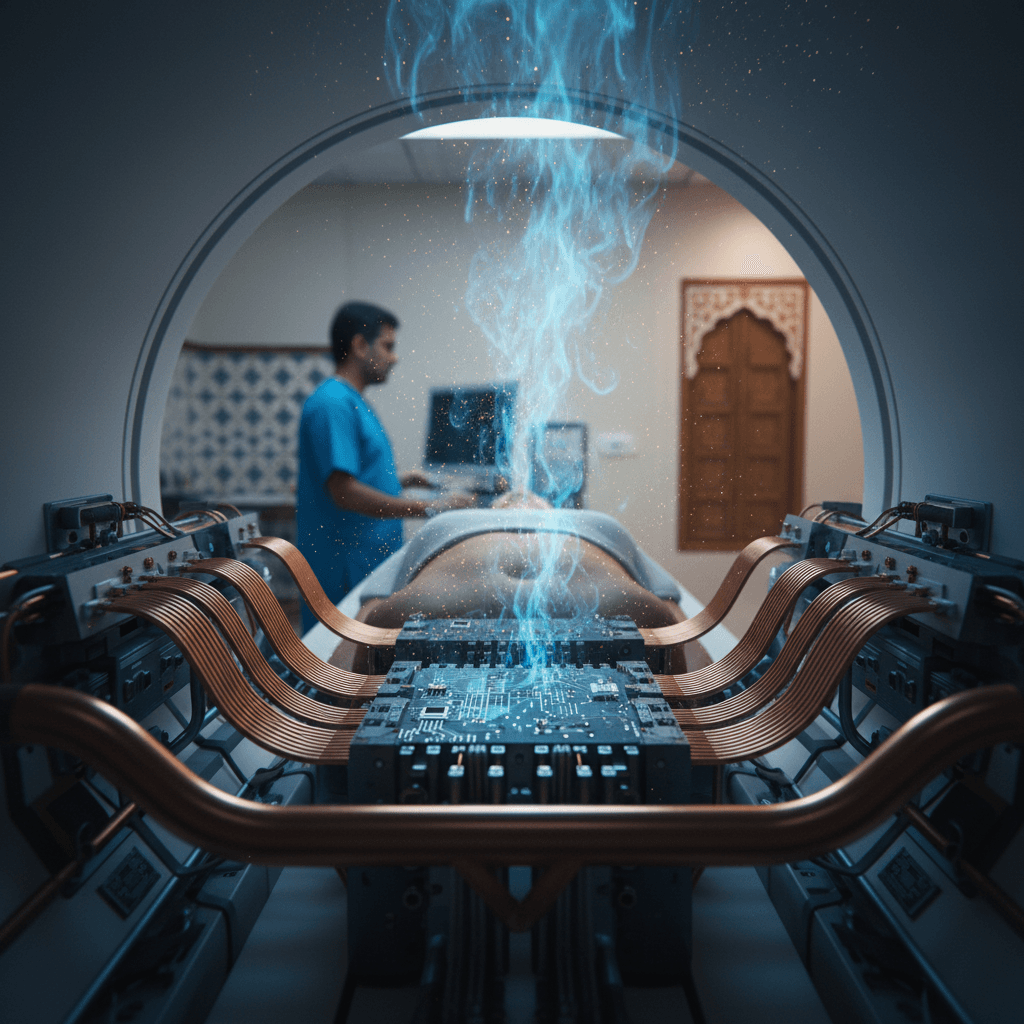
The reliance on helium to cool superconducting magnets within MRI machines makes the medical sector particularly vulnerable to supply chain disruptions. With tensions in West Asia impacting global helium distribution, Indian hospitals and diagnostic centers are preparing for potential delays and higher operational expenses.
Some medical device companies are responding to the crisis by introducing helium-free MRI systems, aiming to mitigate the risks associated with helium dependence. However, the transition to these alternative technologies may take time, leaving the sector exposed to immediate supply vulnerabilities.
Beyond MRI services, the helium shortage also raises concerns about the availability of other essential medical supplies, potentially impacting various aspects of healthcare delivery across India. The situation highlights the interconnectedness of global supply chains and their impact on domestic healthcare infrastructure.
The rising costs and potential service disruptions could disproportionately affect lower-income patients, increasing the urgency for healthcare providers and policymakers to address the helium shortage proactively.
About the Author