Geopolitical tensions threaten global LNG supply.
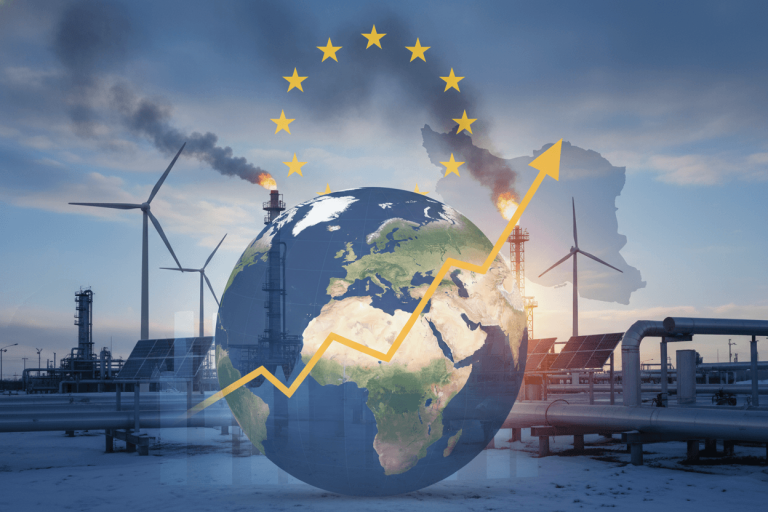
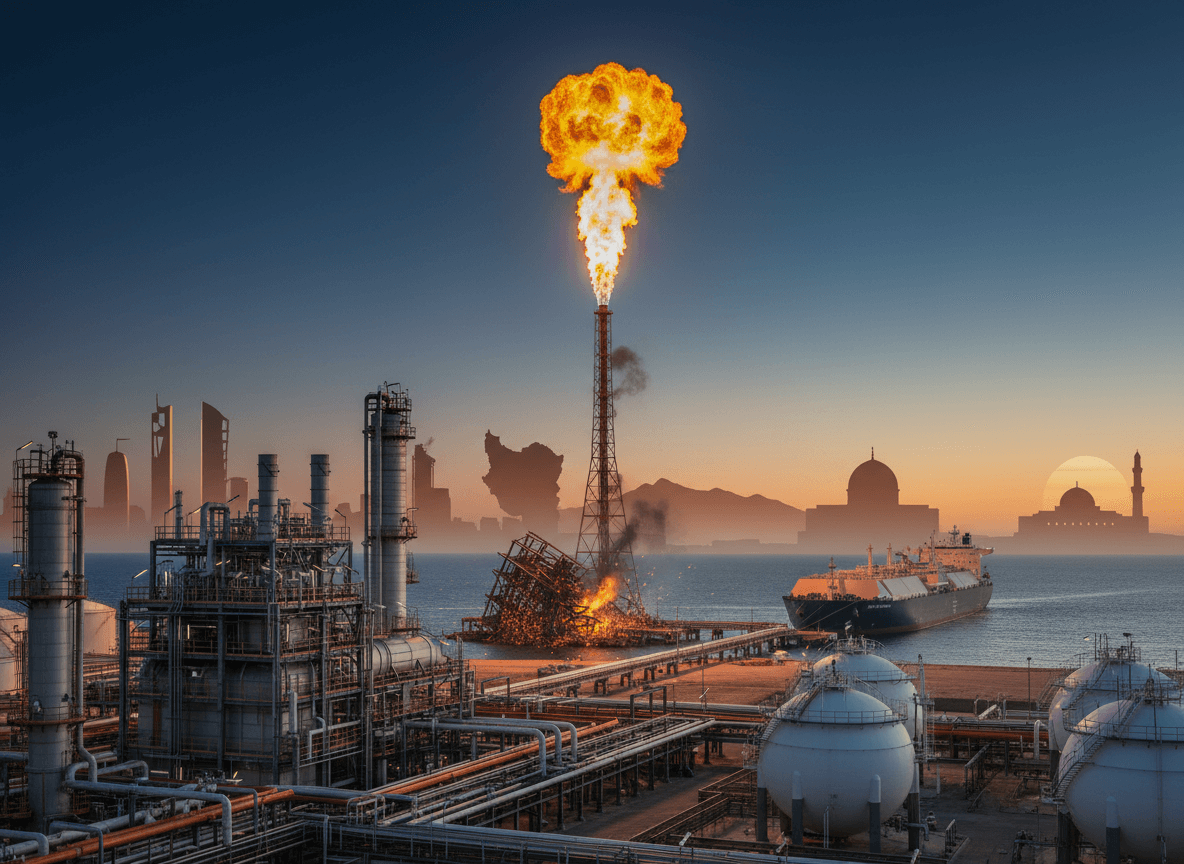
Escalating tensions between Iran and Israel have sent shockwaves through global energy markets, particularly affecting the liquefied natural gas (LNG) supply chain. Recent strikes, reportedly linked to Iranian actions, have forced the shutdown of Qatar’s Ras Laffan LNG hub, a critical facility responsible for approximately 17% of global LNG output.
The disruption at Ras Laffan is poised to trigger a deep energy shock, with initial estimates suggesting repairs could take years. This extended outage is expected to exacerbate existing supply shortages, driving prices upward and creating significant challenges for energy-dependent industries across Asia.
The incident highlights the vulnerability of global energy infrastructure to geopolitical risks. With a substantial portion of LNG supply now offline, industries face potential slowdowns, increased power costs, and the looming threat of a prolonged global gas crunch. Investors and analysts are closely monitoring the situation to assess the long-term implications for private equity investments in energy and related sectors.
The impact extends beyond immediate supply concerns. The need for alternative energy sources and the potential for increased investment in renewable energy projects are now more critical than ever. Private equity firms are likely to reassess their portfolios, considering investments in companies that can mitigate the risks associated with volatile energy markets and geopolitical instability.
Further complicating matters, the potential for retaliatory actions and further escalation in the region remains a significant concern. The energy sector, already grappling with fluctuating prices and supply chain disruptions, must now navigate heightened uncertainty, potentially reshaping investment strategies and deal flows in the months to come.
About the Author