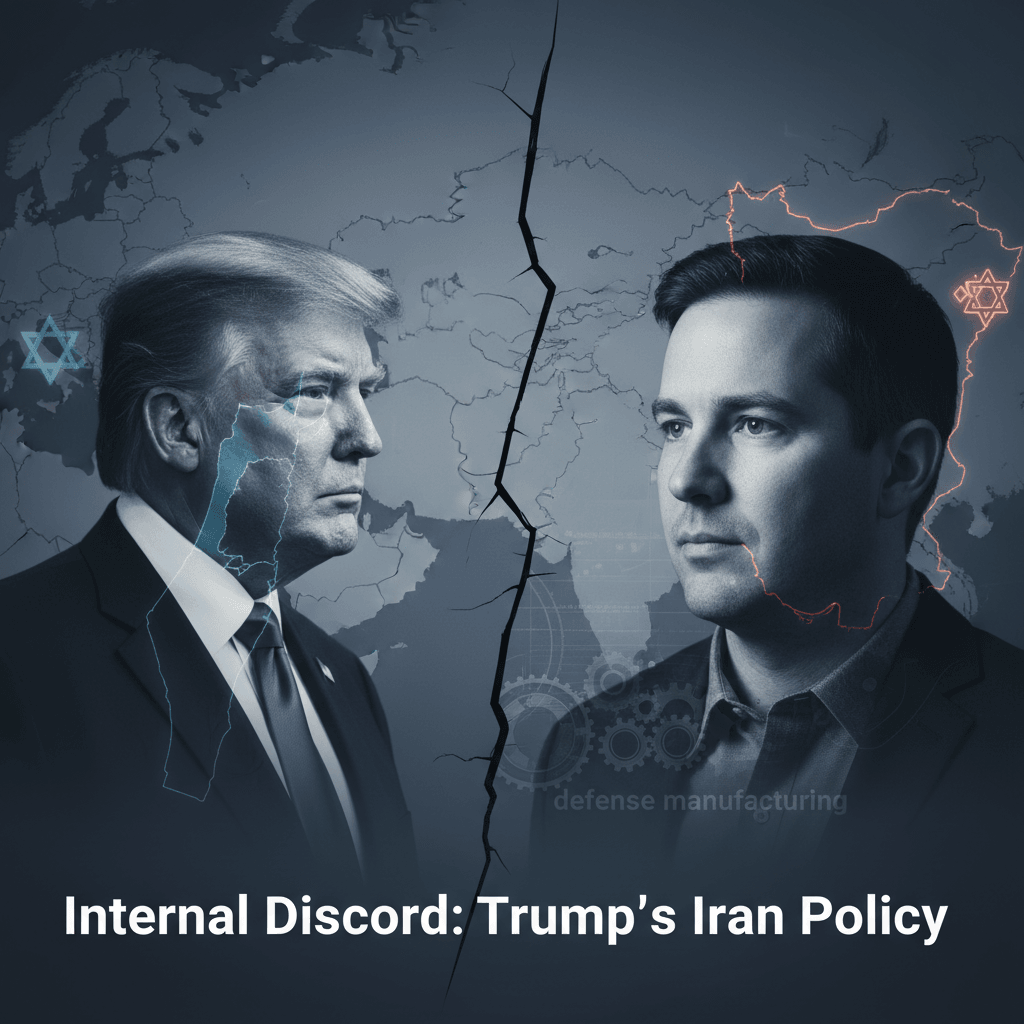
Discord over Iran policy
The resignation of Joe Kent, a high-ranking counter-terrorism official in the Trump administration, underscores significant internal divisions over the administration’s Iran policy. Kent, who served as the National Counterterrorism Center Director, publicly criticized the administration’s approach, alleging that the conflict with Iran was initiated under pressure from Israel and its American lobby. This departure points to deeper disagreements within the government regarding foreign policy and the strategic alignment with key allies.
Kent’s resignation letter, disseminated via social media, asserted that Iran posed no immediate threat to the United States. He further claimed that the Trump administration’s actions were influenced by external pressures, specifically from Israel and its affiliated lobbying groups in the U.S. This statement directly contradicts the White House’s official position, which maintains that there was compelling evidence of an impending Iranian attack on U.S. interests, justifying the administration’s actions.
The White House has dismissed Kent’s assertions, reaffirming the President’s conviction that the measures taken were necessary to protect U.S. national security interests. However, Kent’s public dissent marks him as the most prominent figure within the Trump administration to openly challenge the U.S.-Israeli offensive against Iran. This incident raises questions about the coherence of the administration’s foreign policy decision-making process and the extent of influence exerted by external actors on U.S. strategic decisions in the Middle East.
The implications of Kent’s departure extend beyond mere personnel changes. It reflects a potential shift in the dynamics of U.S. foreign policy, particularly in the context of its relationship with Iran and its strategic alliances in the Middle East. Investors and policy analysts will be closely monitoring how these internal disagreements influence future policy decisions and the overall stability of the region, which could have significant ramifications for investment strategies and risk assessments in the area.
About the Author