US Defends Waiver on Russian Oil Exports to India Amid Market Concerns
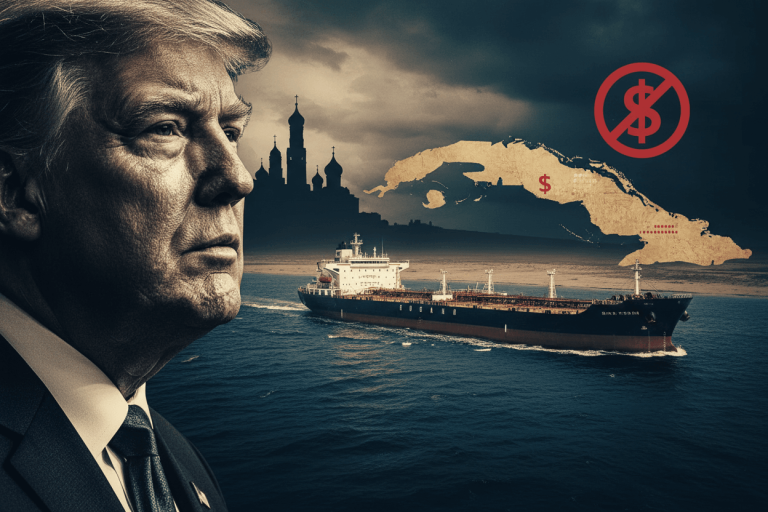
In a move generating considerable discussion within the global energy landscape, US officials have publicly defended a temporary waiver that permits India to continue importing Russian crude oil. This decision, as reported by the Industry-Economic Times, is framed as a strategic measure to stabilize the volatile global oil markets, especially in light of the ongoing supply risks associated with the Iran war.
Understanding the Context
The core of the issue revolves around the delicate balance between international sanctions against Russia and the imperative to maintain a steady flow of energy supplies. The US government, while condemning the war in Ukraine, has found itself navigating the complex realities of global oil markets. The temporary waiver allows India to purchase Russian crude oil, despite broader sanctions aimed at limiting Russia’s economic activities. This decision is not without its critics, who argue that it undermines the effectiveness of sanctions and provides financial support to the Russian government. However, the US maintains that this is a pragmatic approach to prevent widespread oil shortages and mitigate price spikes that could destabilize the global economy.
Key Players and Their Rationales
Central to this policy is the role of US officials, including Energy Secretary Chris Wright. According to the Industry-Economic Times, Wright emphasized that the US has urged India to purchase Russian oil, specifically that which was already stranded on tankers. The rationale behind this approach is twofold: first, to ensure that the existing oil supply finds its way to the market, and second, to redirect this oil to Indian refineries. This strategy aims to ease fears of potential shortages and curb any dramatic price increases. The US position underscores a commitment to global energy stability, even if it requires a nuanced approach to sanctions.
The Mechanics of the Waiver
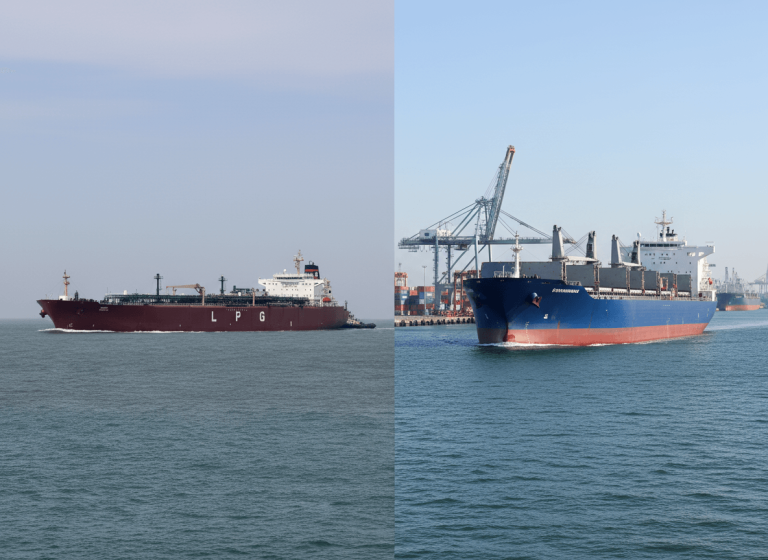
The temporary waiver facilitates the continued flow of Russian oil to India, which has significant implications for global energy dynamics. The process involves several key steps. First, India is permitted to purchase Russian crude. Second, the oil is transported, often via tankers, to India. Third, the oil is processed in Indian refineries. The primary goal is to prevent supply disruptions and ensure that the oil reaches the market without causing significant price volatility. This approach underscores the complex interplay between sanctions, market stability, and the practicalities of global energy distribution.
Broader Implications and Market Dynamics
The US’s decision to grant a temporary waiver has broader implications for both the US-India relationship and the global energy market. For India, it provides a degree of energy security, especially given its growing energy demands. For the US, it reflects a pragmatic approach to foreign policy, balancing its strategic interests with economic realities. The move also impacts the global oil market, potentially influencing prices and supply chains. The fact that the waiver is temporary suggests that the US is continuously evaluating the situation and may adjust its approach based on evolving circumstances and market conditions.
Conclusion
The US defense of the temporary waiver allowing India to import Russian crude oil highlights the intricate challenges of international relations and global energy markets. While the move is intended to stabilize oil supplies and curb price fluctuations, it also underscores the complex interplay of sanctions, strategic interests, and economic realities. The situation remains fluid, and the long-term impacts of this policy will depend on a variety of factors, including geopolitical developments, market dynamics, and the evolving strategies of the key players involved.
Source: Industry-Economic Times
About the Author