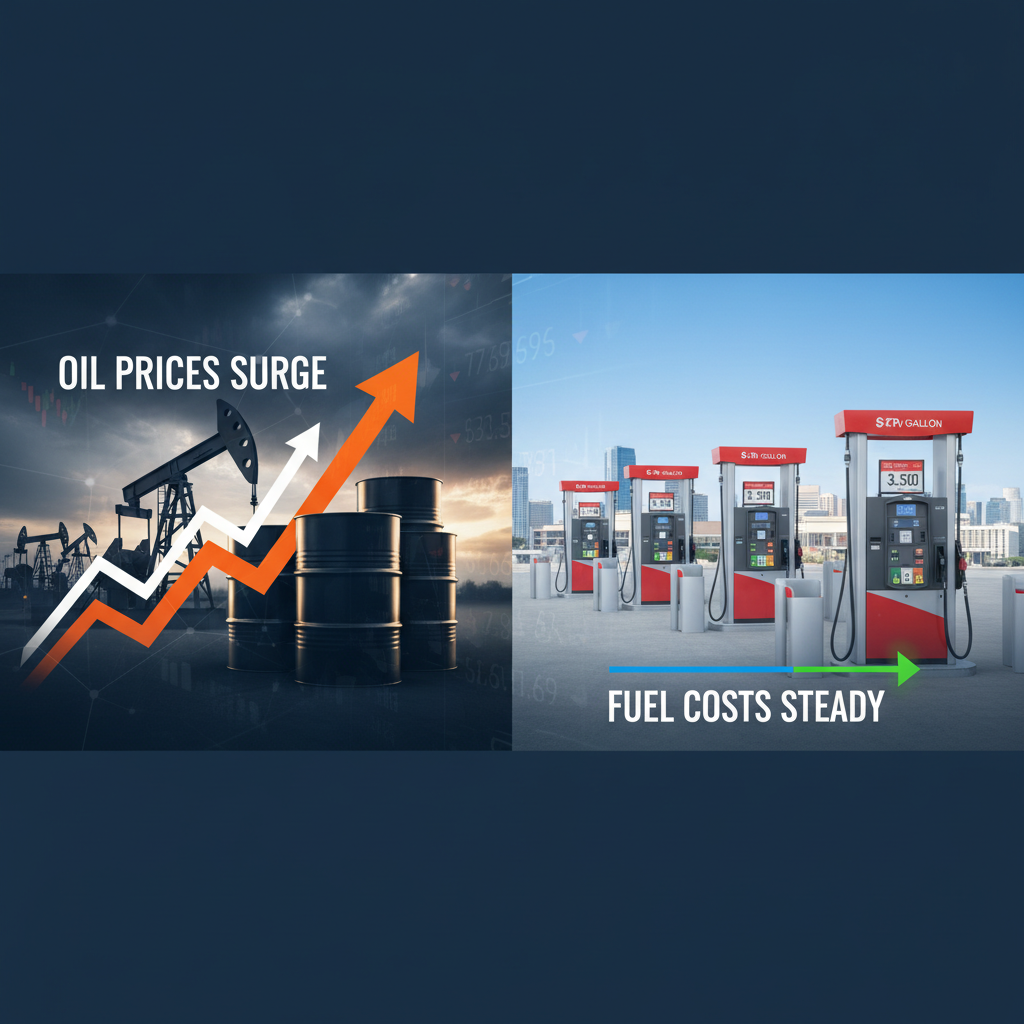
Oil Prices Surge, But Fuel Costs Remain Steady: A Market Analysis
The energy sector is currently navigating a period of volatility, with crude oil prices experiencing an upward trend. However, despite this increase in the cost of crude oil, consumers may not immediately feel the pinch at the pump. This article delves into the dynamics at play, examining why petrol and diesel prices are unlikely to rise immediately and the factors influencing this market behavior.
The Rising Tide of Crude Oil
Crude oil prices have recently shown an upward trajectory, a development that often triggers concerns about the potential impact on fuel costs. The fluctuations in crude oil prices are influenced by a multitude of factors, including global demand, geopolitical events, and supply chain dynamics. These elements collectively shape the market landscape, creating both challenges and opportunities for stakeholders within the energy sector.
The Buffer: State-Owned Oil Firms
In this scenario, State-owned oil firms play a crucial role. They are expected to absorb the impact of rising crude oil prices, at least in the short term. This ability stems from their financial resilience, a result of advantages they gained during periods of low oil prices. This strategic advantage allows them to navigate through the current volatile times without immediately passing on the increased costs to consumers.
Why No Immediate Price Hike?
The decision by state-owned oil firms to absorb the impact is multifaceted. Firstly, it helps to maintain price stability, which is crucial for consumer confidence and economic stability. Secondly, these firms often have hedging strategies and financial instruments in place to manage risks associated with price fluctuations. Finally, government policies and considerations may also play a role in influencing the pricing decisions of these firms.
Market Analysis and Economic Impact
The energy market is closely watched by analysts and economists alike. The decision by state-owned oil firms to absorb the rising costs has broader economic implications. It helps to cushion the impact of inflation on consumers, while also providing some stability to the economy. This strategic move highlights the importance of financial preparedness and risk management in the energy sector.
Looking Ahead
The situation remains dynamic, and the long-term implications are still unfolding. While petrol and diesel prices may not rise immediately, the sustained increase in crude oil prices could eventually influence fuel costs. The energy sector’s ability to adapt and respond to market changes will be critical in the coming months. Continuous monitoring of market trends and strategic decision-making by key players will be key to navigating this complex landscape.
About the Author