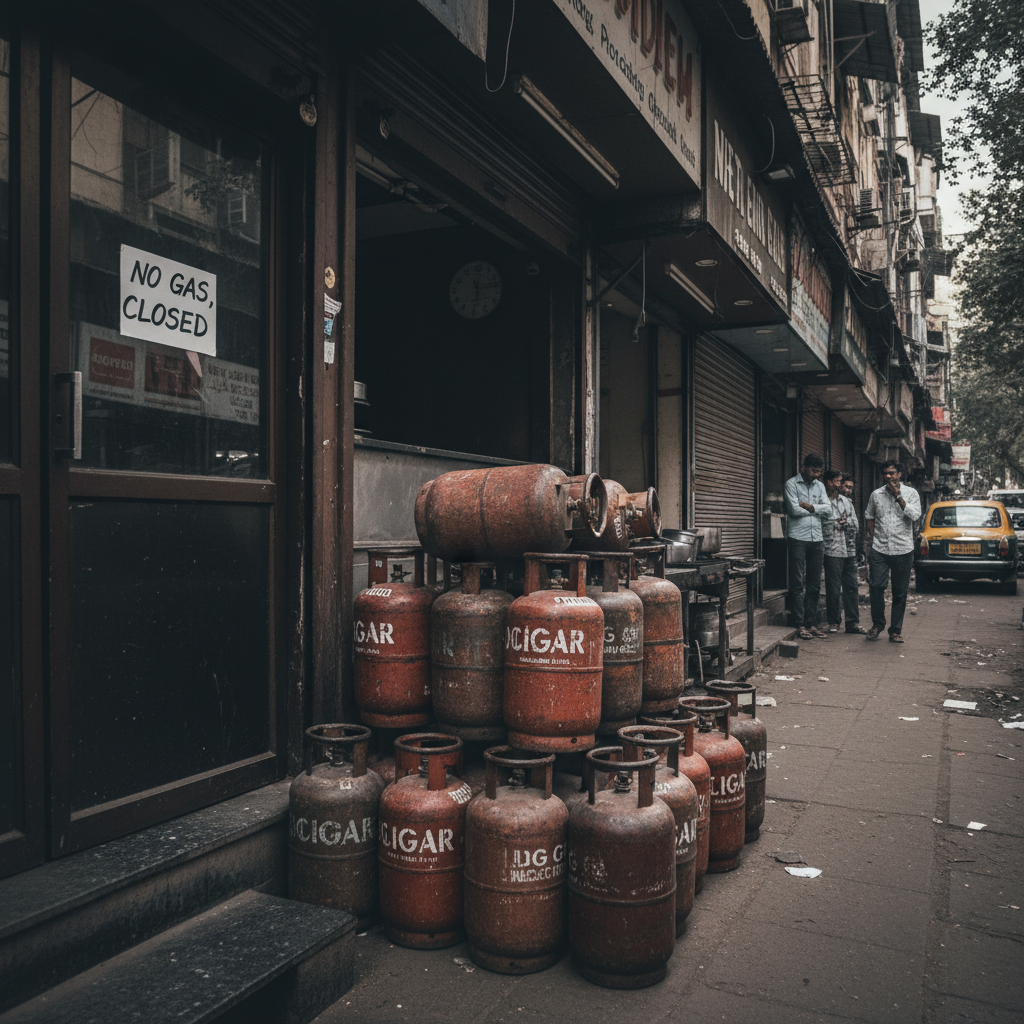
Mumbai Hotels and Restaurants Face LPG Crisis: 50% Could Close
The hospitality sector in Mumbai, India, is grappling with a severe shortage of commercial LPG (Liquefied Petroleum Gas), an essential resource for daily operations. Industry bodies are sounding the alarm, estimating that as many as 50% of hotels and restaurants in the city could face temporary closures due to the supply disruptions. This crisis underscores the critical dependence of the food processing and hospitality sectors on a reliable LPG supply.
The Impact of the LPG Shortage
The current situation finds many hotels and restaurants facing near-complete supply halts, hindering their ability to serve customers. This impacts operations across the board, from small eateries to larger establishments. The implications are far-reaching. The inability to cook and serve food threatens the livelihood of businesses and the jobs of countless individuals. Moreover, the shortage poses a significant challenge to the tourism sector, as international tourists may find their dining options severely limited.
The what, or the commercial LPG shortage, is the central issue. The how, or the disruption in LPG supply, is directly impacting the ability of businesses to operate effectively. The where, Mumbai, is the epicenter of this crisis, although the issue likely extends to other regions in India. The who, including hotels and restaurants, are the primary victims of this supply crunch. The why is simple: to continue serving customers, businesses need an uninterrupted LPG supply. The when, currently, is the period of crisis, with no immediate end in sight.
Vulnerable Entities and the Broader Implications
The impact of this shortage is disproportionately felt by smaller eateries and businesses, which may lack the resources to absorb the cost increases or find alternative solutions. These businesses are vital components of the local economy and often provide a cultural touchstone for residents and visitors alike. The potential for temporary closures, as predicted by industry bodies, could lead to job losses and a reduction in the city’s culinary offerings.
The who, specifically, includes international tourists, who may experience limited dining choices. The what, or the temporary closures, could seriously affect the tourism sector. The why, or the need to continue serving customers, is the driving force behind the industry’s demand for a resolution.
Industry Response and the Path Forward
The hospitality sector is urgently seeking solutions to mitigate the impact of the LPG shortage. The industry needs a stable and reliable LPG supply to continue operations and serve its customers. The government and relevant authorities must take immediate action to address the supply chain disruptions. This could include expediting the delivery of LPG, exploring alternative fuel sources, or implementing measures to ensure fair distribution. The long-term stability of the sector hinges on overcoming this critical challenge.
The what, or the need for uninterrupted LPG supply, is the primary requirement. The how, or the measures to be taken, will determine the industry’s ability to recover. The why, or the motivation to serve customers, is the driving force behind the industry’s actions.
Conclusion
The commercial LPG shortage in Mumbai poses a significant threat to the hospitality sector. With a potential 50% of hotels and restaurants facing closure, the industry is at a critical juncture. Addressing the supply disruptions is paramount to safeguarding businesses, preserving jobs, and ensuring the continued availability of dining options for residents and visitors alike. The crisis demands swift and decisive action from all stakeholders to secure a sustainable future for Mumbai’s vibrant hospitality landscape.
About the Author