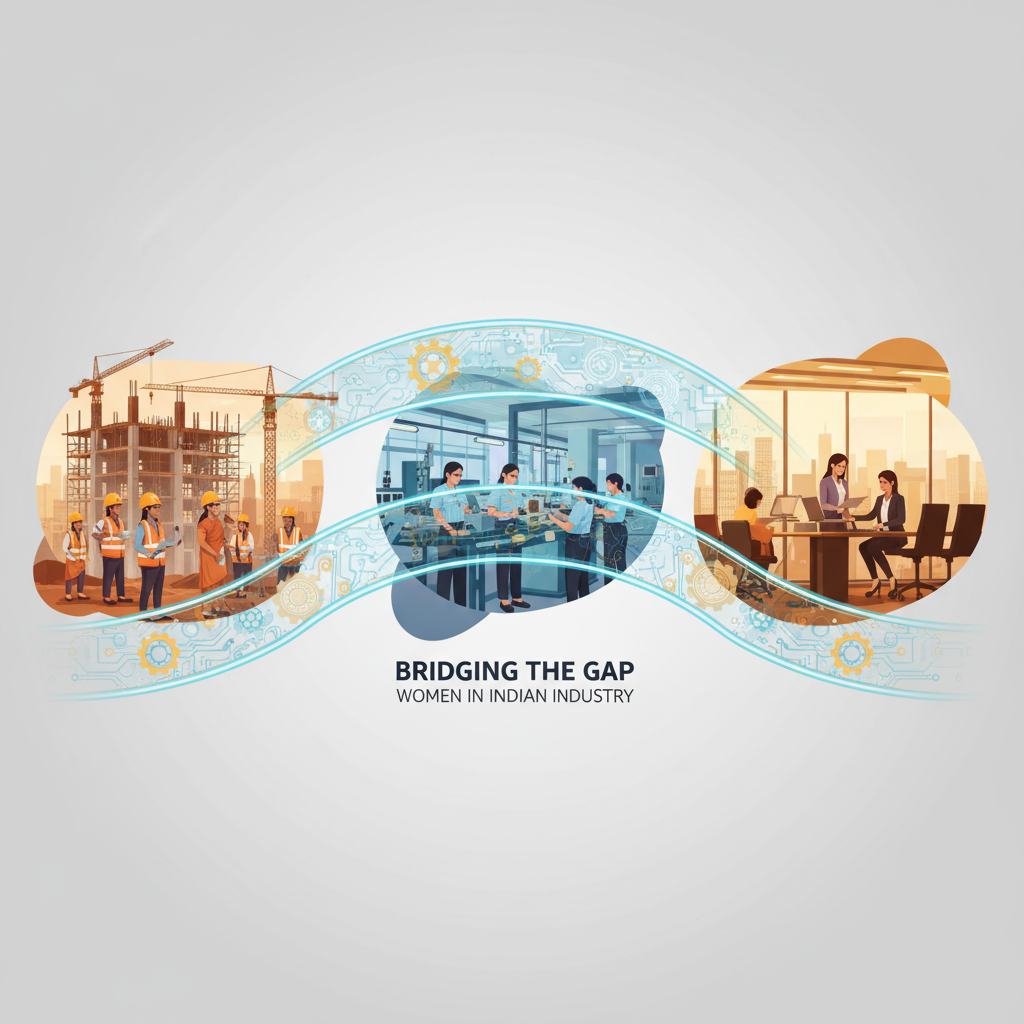
Bridging the Gap: Women’s Roles in Indian Manufacturing, Construction, and Services
The narrative of India’s economic growth is incomplete without a comprehensive examination of women’s participation across diverse sectors. While progress has been made, significant disparities persist, particularly in industries like manufacturing and construction. This article delves into the current landscape, highlighting both the hurdles and the pathways towards achieving greater gender parity and fostering national development.
The Current State of Affairs
The presence of women in sectors such as manufacturing and construction in India remains notably low. This is a complex issue, often compounded by factors like discrimination and a lack of adequate support systems. These challenges underscore the need for targeted interventions to create more inclusive environments. The IT sector and services sectors, on the other hand, are witnessing a positive trend with increased female participation. This variance highlights the importance of understanding sector-specific dynamics and tailoring strategies accordingly.
Challenges and Barriers
Several factors contribute to the underrepresentation of women in certain industries. Women often face discrimination, which can manifest in various forms, from unequal pay and limited opportunities for advancement to workplace harassment. Additionally, a lack of adequate support, such as insufficient childcare facilities and inflexible work arrangements, can further hinder their participation. Addressing these barriers is crucial for unlocking the full potential of India’s workforce and driving economic growth.
A Model for Growth: The Tamil Nadu Example
Tamil Nadu serves as a compelling case study in this context. The state’s adoption of supportive policies provides a model for other regions to emulate. These policies may include initiatives aimed at promoting gender equality in the workplace, providing access to training and skill development programs, and creating a more inclusive and supportive ecosystem for women. By learning from the successes of Tamil Nadu, other states and regions can chart their own paths toward greater gender parity.
The Path to National Development
Achieving national development requires more than just economic growth; it demands a commitment to inclusivity and gender equality. This involves not only increasing the representation of women in various sectors but also ensuring that they have equal opportunities for leadership roles. Bridging leadership gaps is essential for creating a more diverse and representative workforce. Furthermore, ensuring gender parity across all sectors is paramount. This will require a multi-pronged approach that addresses both systemic barriers and cultural norms.
Strategies for Progress
Several strategies can be employed to accelerate progress in this area. These include:
- Policy Interventions: Implementing and enforcing policies that promote gender equality in the workplace, such as equal pay for equal work and measures to prevent discrimination.
- Skill Development: Providing women with access to training and skill development programs to equip them with the necessary skills for various industries.
- Support Systems: Creating supportive infrastructure, such as childcare facilities and flexible work arrangements, to enable women to balance work and family responsibilities.
- Leadership Development: Investing in leadership development programs to empower women to take on leadership roles.
Conclusion
The journey towards greater gender parity in India’s industries is ongoing. While challenges persist, there is also cause for optimism. By addressing existing barriers, learning from successful models like Tamil Nadu, and implementing comprehensive strategies, India can create a more inclusive and equitable workforce, paving the way for sustained economic growth and national development. The active participation of women in all sectors is not just a matter of fairness; it is a fundamental requirement for building a prosperous and thriving nation.
About the Author