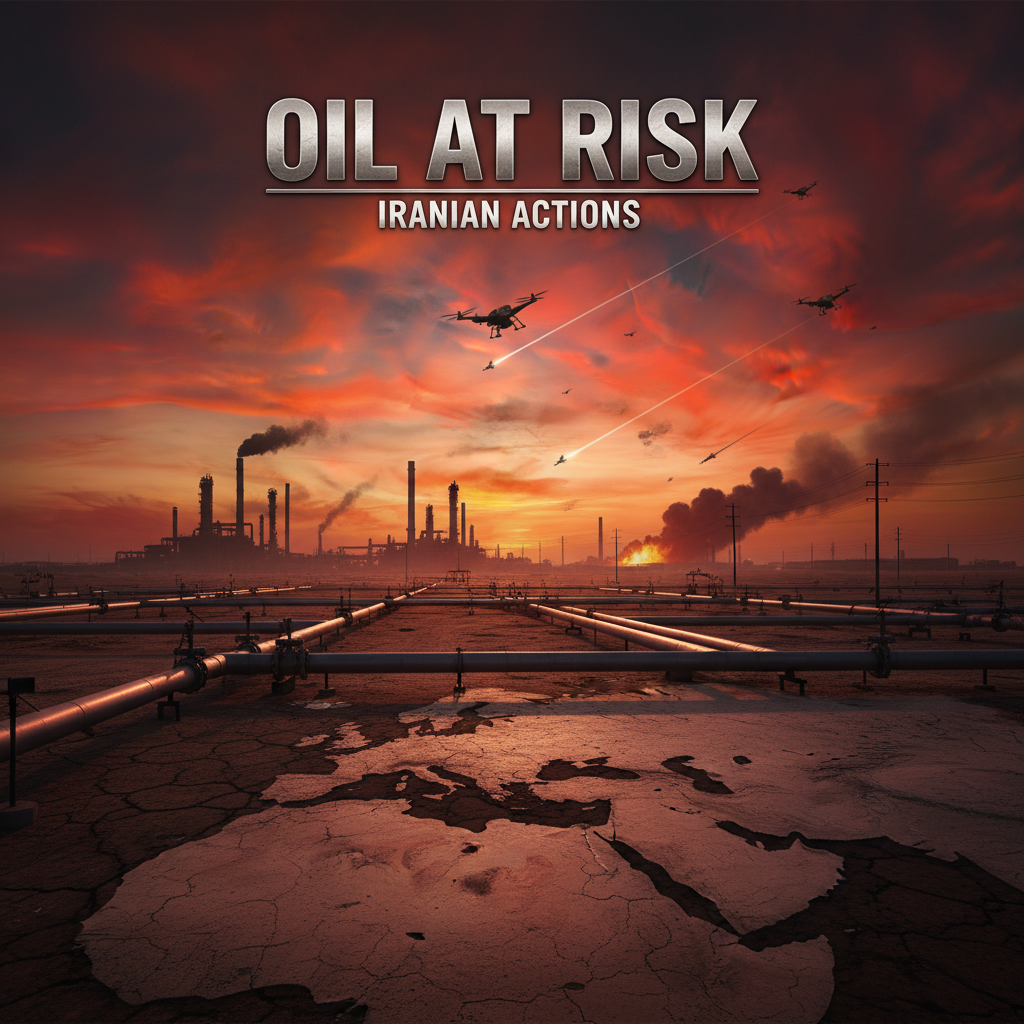
Oil Pipelines at Risk: How Iran’s Actions Could Escalate Conflict
The intricate dance of international relations often plays out on the stage of economic pressure and strategic maneuvering. In the current geopolitical landscape, the specter of conflict looms, with oil pipelines at the heart of the matter. Iran, seeking to exert influence, is employing a strategy that could have far-reaching consequences, particularly for the United States and the global energy market.
The Strategic Importance of Oil Flows
At the core of this strategy lies the disruption of oil flows, specifically through the crucial Strait of Hormuz. This narrow waterway serves as a vital artery for global oil transport, and any interference in its operations can send shockwaves through the energy market. Iran’s actions, aimed at raising economic pressure on the US, could inadvertently trigger a cascade of events, including soaring fuel prices and increased geopolitical instability. As reported by the Industry-Economic Times, this is a calculated move with significant stakes at play.
The rationale behind Iran’s actions is multifaceted. By disrupting oil flows, the nation hopes to influence the US, specifically targeting President Donald Trump. The goal is to leverage the potential for surging fuel prices to compel a shift in US policy, potentially leading to an end to the ongoing conflict. This approach underscores the critical role of energy security in modern warfare and diplomacy.
The Players and the Stakes
The key players in this high-stakes game are clear: Iran and the United States. The actions taken by Iran, including the potential disruption of oil flows, are designed to create economic pressure on the US. The US, in turn, must navigate the delicate balance of protecting its interests and preventing escalation. The stakes are immense, encompassing not only economic considerations but also broader geopolitical implications that could affect global stability.
The Strait of Hormuz, where the oil flows are at risk, is a strategic chokepoint. Its location makes it a vulnerable target, and any disruption to the flow of oil through this waterway could have a significant impact on global energy markets. The potential for higher fuel prices is not merely an economic concern; it also has the potential to destabilize economies and exacerbate existing tensions.
The Economic and Political Ramifications
The implications of Iran’s strategy extend far beyond the immediate impact on oil prices. Increased economic pressure could trigger a series of events, including shifts in international alliances and a heightened risk of military conflict. The ripple effects could be felt across various sectors, impacting trade, investment, and overall global economic stability.
The situation highlights the complex interplay between energy security, economic leverage, and geopolitical strategy. Iran’s actions are a reminder of the fragility of the global energy supply chain and the potential for conflict to disrupt the flow of resources. The consequences of this strategy could reshape the geopolitical landscape for years to come.
Conclusion
The situation surrounding oil pipelines and the Strait of Hormuz is a stark illustration of the intricate challenges of modern geopolitics. Iran’s strategy, driven by a desire to influence US policy, carries significant risks. The potential for escalating conflict and the impact on global energy markets make this a situation that demands careful attention and strategic foresight. The choices made by both Iran and the US in the coming months will likely determine the course of events and shape the future of the region.
Source: Industry-Economic Times
About the Author