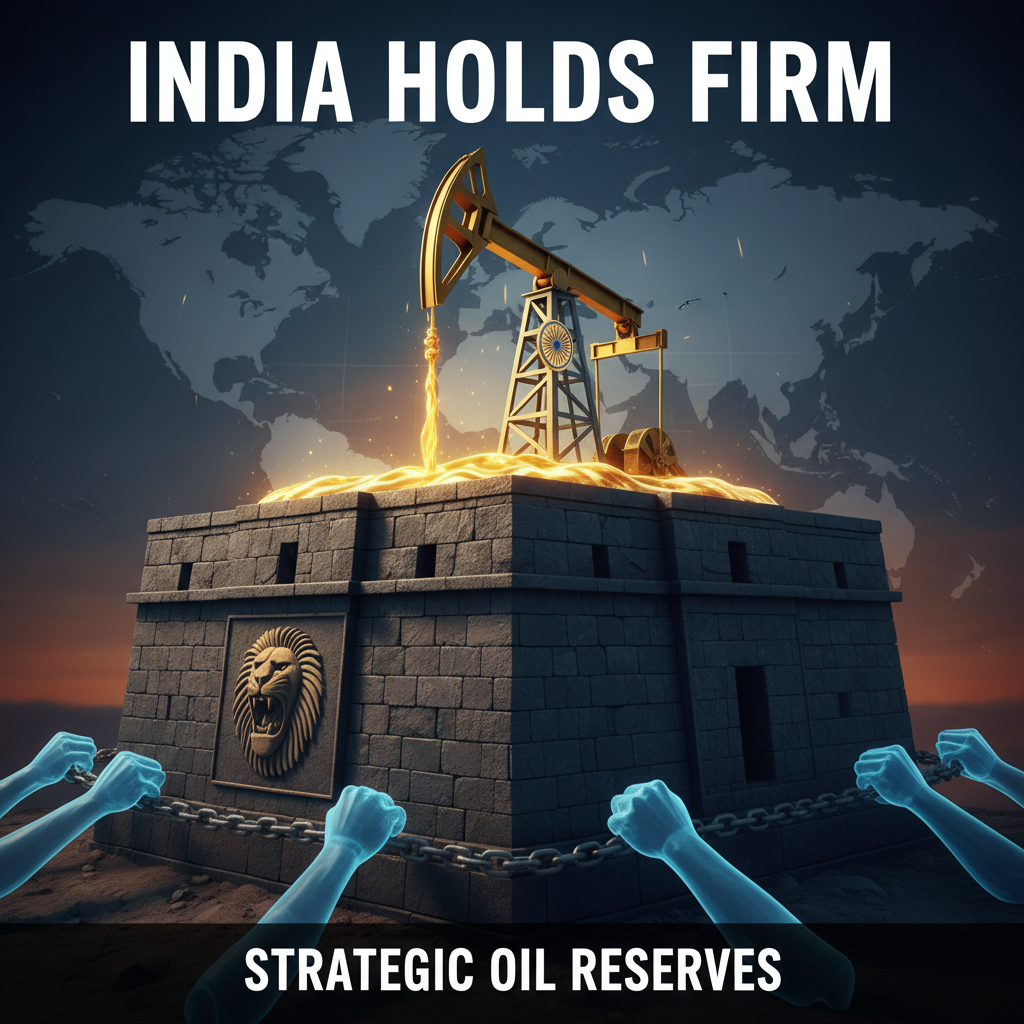
India Stands Ground: Refuses IEA’s Call to Tap Strategic Oil Reserves
In a move that underscores its independent energy policy, India has declined the International Energy Agency’s (IEA) call to release its strategic oil reserves. According to recent reports, top Indian officials have stated that the nation will not be participating in any coordinated effort to ease global oil price pressures by tapping into its strategic reserves. This decision highlights India’s commitment to safeguarding its energy security and its perspective on the dynamics of the global oil market.
Understanding the Context
The backdrop to this decision is the ongoing volatility in global oil prices. The IEA, along with other international bodies, has been urging major oil-consuming nations to consider releasing strategic reserves to stabilize prices. However, India’s stance is clear: it believes the current price surge is not attributable to its actions, and its strategic reserves serve a different, crucial purpose.
The Role of Strategic Oil Reserves
India’s strategic oil reserves are designed to act as a buffer against supply disruptions. These reserves are a critical component of India’s energy security strategy, intended to mitigate the impact of unforeseen events, such as geopolitical instability or natural disasters, that could disrupt the global oil supply chain. The decision not to release these reserves at this time suggests that India views the current situation as manageable or not severe enough to warrant the deployment of its emergency resources.
India’s Rationale
The Indian government’s rationale for its decision is multifaceted. Firstly, it does not believe that it is responsible for the current rise in oil prices. Secondly, it emphasizes that its strategic reserves are primarily intended to provide a safeguard against supply disruptions. Releasing these reserves to address price fluctuations would be a departure from their intended purpose.
Impact on Global Markets and Energy Policy
This decision has implications that extend beyond India’s borders. It sends a signal to global markets about India’s priorities and its approach to energy policy. India is a major consumer of oil, and its actions have a significant impact on global demand and prices. By choosing to maintain its strategic reserves, India is asserting its autonomy in energy decision-making and reinforcing its commitment to its own energy security.
Looking Ahead
The situation in the global oil market remains dynamic. As geopolitical tensions and other factors continue to influence prices, India’s stance on its strategic reserves will likely remain under scrutiny. The government will need to carefully balance its commitment to energy security with its broader economic and diplomatic interests. This situation serves as a reminder of the complex interplay between energy policy, global markets, and national interests.
Source: Industry-Economic Times
About the Author