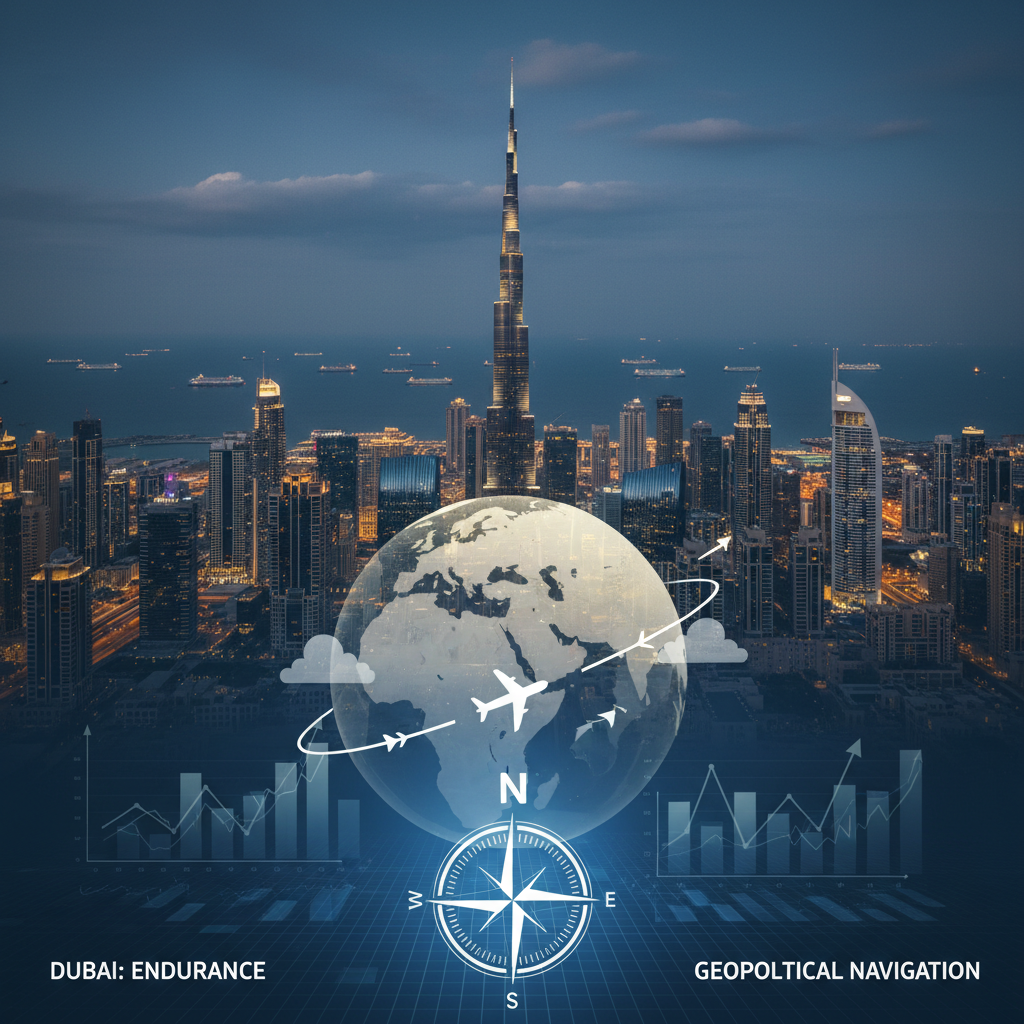
Dubai Adapts to Geopolitical Tensions: Business and Travel Continue Amidst Regional Conflict
In the face of persistent geopolitical tensions, Dubai, a global hub for business and tourism, is demonstrating remarkable resilience. The city’s ability to maintain a sense of normalcy, with residents frequenting malls and restaurants, offers a compelling case study in adapting to an increasingly volatile global landscape. This article explores how Dubai is navigating the challenges posed by regional conflicts, focusing on the continuity of business and travel activities. The core of this analysis is the city’s ability to function and adapt to the “new normal” of operating amidst global conflicts.
The Emergence of an ‘Evacuation Economy’
One notable aspect of Dubai’s adaptation is the emergence of an “evacuation economy.” As geopolitical tensions continue, some residents are opting to travel to destinations like Oman. This movement reflects a proactive approach to personal safety and underscores the city’s interconnectedness with its regional neighbors. While the fluctuations in travel patterns are evident, the overall impression is one of adaptation rather than complete disruption. The ‘evacuation economy’ is part of a larger picture, where individuals and businesses are adjusting their strategies to mitigate risks.
Business Continuity in a Time of Uncertainty
Despite intermittent flight schedules and the inherent challenges of operating in a region marked by instability, business activity in Dubai signals continuity. Many companies, including those in critical sectors, have resumed in-person work, while others have adopted remote work policies. This hybrid approach reflects a pragmatic understanding of the evolving circumstances. Companies are prioritizing both operational efficiency and employee safety. This blend of in-person and remote work underscores the flexibility that businesses are showing, which is crucial for long-term survival and success.
Navigating the Challenges: Travel Platforms and Businesses
The resilience of Dubai is also evident in the actions of travel platforms and other businesses. These entities are actively navigating the complexities of geopolitical instability. They are constantly updating their strategies to accommodate changing travel patterns and ensure the safety of their customers and employees. This involves everything from adapting flight schedules and providing real-time information to implementing robust risk management protocols. Such measures are essential for maintaining consumer confidence and ensuring business continuity during uncertain times.
Policy and Macroeconomic Implications
The situation in Dubai has broader implications for macroeconomic policy and global trade. The city’s ability to maintain its economic activity and attract international investment is a testament to its strategic importance in the region. Furthermore, the adaptability of Dubai’s business community serves as a model for other global cities facing similar challenges. The proactive measures taken by both the public and private sectors highlight the importance of preparedness, flexibility, and strong international relations in navigating geopolitical risks.
Conclusion
Dubai’s response to the ongoing geopolitical tensions is a study in resilience and adaptability. By embracing a hybrid approach to work, adapting travel patterns, and proactively managing risks, the city continues to thrive. As the “new normal” of global conflicts persists, Dubai’s experience offers valuable insights for businesses, policymakers, and individuals alike. The city’s ability to balance security concerns with economic imperatives ensures its continued role as a significant global hub.
Source: Industry-Economic Times, Inc42 Media
About the Author